
Breast cancer can feel like a sudden storm. You want clear facts, not confusion. A 3 D screening mammogram, also called tomosynthesis, uses many low dose X ray images to create thin slices of your breast. This can help doctors see cancers that a standard 2 D mammogram might miss. It can also reduce false alarms that lead to repeat tests and fear. Yet 3 D screening is not right for every person. Your age, breast density, family history, and past biopsies all matter. So do cost, access, and your comfort with new technology. At a Boise mammography screening clinic, you can ask direct questions and expect clear answers about 3 D screening. This blog explains what 3 D screening does, who may benefit, and what risks you should weigh. Then you can sit with the facts and choose what fits your body and your life.
What a 3 D Screening Mammogram Does
A 3 D screening mammogram uses a moving X ray arm that sweeps over your breast in a short arc. The machine takes many small images from different angles. A computer then builds thin layers that your doctor can scroll through one by one.
This layered view can help in three ways:
- It separates normal tissue that overlaps in 2 D images.
- It can reveal small cancers hiding in dense tissue.
- It can help rule out harmless findings that trigger repeat tests.
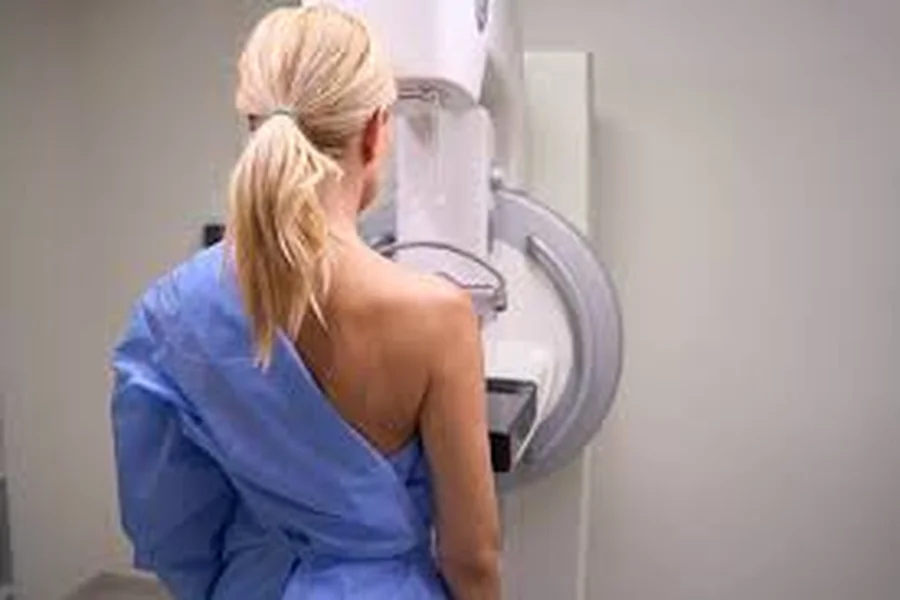
The test still feels like a regular mammogram. Your breast is placed on a flat plate. Another plate comes down to compress it. You hold still for a few seconds while the images are taken. Then the technologist repeats the process on the other breast.
How 3 D Compares With 2 D Mammograms
Both 2 D and 3 D mammograms use low dose X rays. Both aim to find breast cancer early, before you feel a lump. Early detection can allow smaller surgeries and shorter treatment. Yet the way they form images is different.
| Feature | 2 D Screening Mammogram | 3 D Screening Mammogram (Tomosynthesis)
|
|---|---|---|
| Type of image | Flat pictures of the whole breast | Stack of thin slices through the breast |
| Finding cancer in dense breasts | Can miss small cancers hidden by tissue overlap | Often finds more cancers in dense tissue |
| False alarms and callbacks | Higher chance of repeat images or extra tests | Lower chance of being called back for more images |
| Radiation dose | Low dose | Slightly higher dose, still within FDA limits |
| Insurance coverage | Usually covered as standard screening | Coverage varies by plan and state |
| Availability | Common in most centers | Growing, but not in every clinic |
Who Might Benefit Most From 3 D Screening
3 D screening can help many people. Yet some groups may gain more from the added detail.
You may see more benefit if you:
- Have dense breasts on past mammograms.
- Have a strong family history of breast cancer.
- Had biopsies for unclear findings in the past.
- Felt strong fear after a false alarm or callback.
Dense breasts have more gland and fibrous tissue and less fat. This tissue looks white on a mammogram. Cancer also looks white. In a 2 D image, these white shapes can blur together. In a 3 D image, the layers can separate normal tissue from something that looks unsafe.
You can read more about breast density and risk from the National Cancer Institute. This can help you prepare questions for your next visit.
When 3 D Screening Might Not Be Needed
3 D is not always the best choice. In some cases, a 2 D mammogram may be enough.
You may not need 3 D screening if you:
- Have fatty breasts with very low density.
- Have no family history and no past breast issues.
- Have had many normal 2 D mammograms without problems.
- Face high out of pocket costs for 3 D imaging.
Routine screening still matters. A clear 2 D mammogram on a regular schedule is better than skipping screening while you wait for 3 D access or coverage. You can work with your doctor to choose the best plan for your risk and your budget.
Risks and Limits You Should Weigh
Every test has tradeoffs. 3 D screening is no exception.
Key points to weigh include:
- Radiation. The dose is slightly higher than 2 D. It remains within safety limits set by the U.S. Food and Drug Administration.
- Overdiagnosis. 3 D can find very small cancers that might grow slowly. Some may never cause symptoms. Treatment can still carry scars and stress.
- Cost. Some plans bill 3 D as an add on. You may face extra charges.
- Access. Not all clinics have 3 D units. Travel time can add strain.
These concerns should not push you away from screening. Instead they can guide a clear talk with your care team. You can ask how your age, health, and family story change these risks.
What To Expect During the Visit
Knowing the steps can calm fear. A 3 D screening visit usually follows a simple pattern.
- You check in and confirm your history and any breast symptoms.
- You change into a gown and remove jewelry from your neck.
- The technologist positions your breast on the plate and applies compression.
- You hold still for a few seconds as the X ray arm moves.
- The process repeats for each view and each breast.
- You get dressed and wait for instructions on how and when you will receive results.
The compression can feel tight. It should not cause sharp pain. You can speak up if the pressure feels too strong. The technologist can adjust the position and work with you.
How To Decide What Is Right For You
Your decision does not need to be rushed. You can use three simple steps.
- Know your risk. Ask your doctor to review your age, family history, breast density, and past biopsies. You can compare this with guidance from the U.S. Preventive Services Task Force.
- Know your options. Ask which tests are available where you live. This can include 2 D mammograms, 3 D mammograms, and in some cases ultrasound or MRI.
- Know your coverage. Call your insurer or check your online plan details. You can ask if 3 D screening counts as routine screening or as an extra service.
After you gather this information, you can choose the path that protects your health and respects your limits. The goal is not a perfect choice. The goal is a clear choice that you understand and accept.
Next Steps
If you are due for a mammogram, schedule the visit. Then ask whether 3 D screening is offered and what it will cost. You can bring a short list of questions about your risk, breast density, and past results.
You deserve straight answers and steady support. With the right information, you can face breast cancer screening with more control and less fear.