
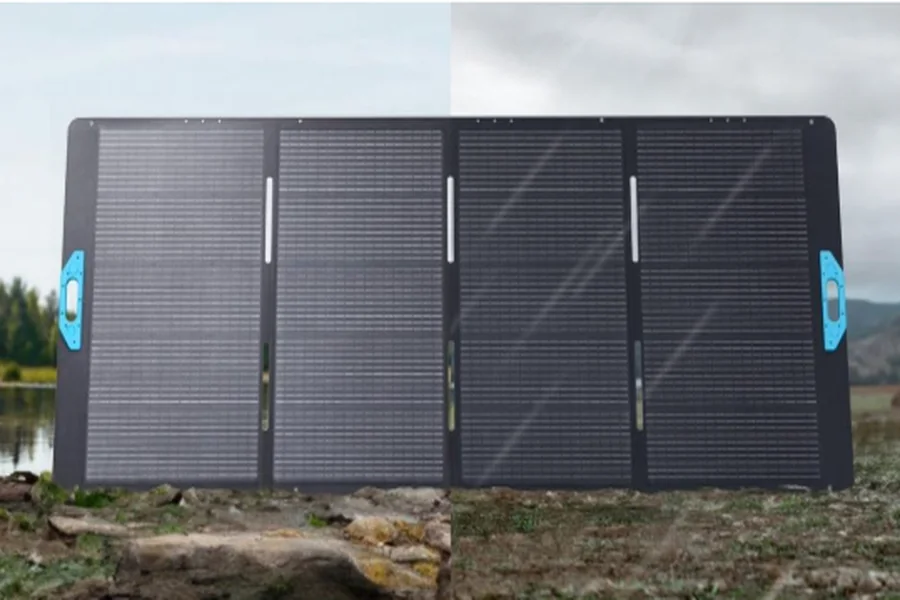
Portable solar panels offer a convenient source of power for outdoor adventures, RV trips, and home backup solutions. Understanding the importance of safety and weatherproofing enhances their longevity and performance in unpredictable conditions. We’ll explore key safety practices to prevent electrical hazards and explain protective measures to shield panels from adverse weather. By pairing your solar panel with a reliable battery system, such as the Anker SOLIX PS200 Portable Solar Panel and Anker SOLIX C2000 Gen 2, you can ensure a continuous, safe power supply. Let’s dive into how you can maximize effectiveness while minimizing risks in any environment.
Essential Safety Practices for Portable Solar Panels
Safely using portable solar panels requires awareness of potential electrical risks and proactive management to avoid damage. Here’s how to ensure you’re using them safely.
Preventing Electrical Shock, Overload, and Connector Damage
To prevent electrical shock, always check for exposed wires and ensure connectors are secure before use. Avoid overloading the panel by adhering to its maximum output capacity, which typically ranges from 100 to 300 watts for portable models. If connecting multiple devices, do so using a power distribution hub or a compatible inverter. Connector damage often occurs due to mishandling; hence, ensure connectors are dry and free from any obstruction when connecting or disconnecting. Regular inspections for wear and tear can further prevent malfunctions. By employing these practices, you keep the panel efficient and reduce operational risks.
Safe Handling, Setup, and Daily Use in Outdoor Environments
Handle solar panels with care during transportation and setup. Always lift the panel using its frame, not the surface, to prevent cell damage. Set up on stable ground, facing direct sunlight, and avoiding shaded areas for optimal efficiency. Use grounding stakes if supplied, particularly when windy. Daily use involves repositioning the panel to maximize sun exposure without frequently disconnecting cables. Ensure your hands are dry when handling connections, preventing moisture ingress. By integrating these steps, you maintain not only the panel’s safety but its performance, even in challenging terrains.
Weatherproofing Portable Solar Panels for Reliable Performance
Weatherproofing your portable solar panels safeguards them against environmental impacts, ensuring consistent energy generation.
Protection from Rain, Moisture, Dust, and Accidental Water Exposure
Portable solar panels like the Anker SOLIX PS200 use materials and seals rated IP67 to shield the system from rain and moisture ingress. When rain is expected, angle panels to allow water runoff without pooling. Regularly clean the surface with a soft brush to remove dust and debris, improving efficiency. Accidental water exposure can be minimized by using protective covers during transportation. These measures greatly enhance the solar panel’s resilience against moisture and dirt, ensuring stable output regardless of the weather conditions.
Managing Heat, Cold, Wind, and UV Damage During Outdoor Use
Extreme temperatures and weather conditions can impact solar panel efficiency and durability. Panels should feature UV-resistant materials to minimize sun damage. During high heat, ensure ventilation around panels to prevent overheating, while in cold conditions, avoid exposure to sudden temperature changes, which may cause material fracturing. Windproof setups, where panels are securely staked or weighted down, prevent physical damage. By addressing these environmental challenges, your panels deliver consistent performance, effectively adapting to varied outdoor climates.
Pairing Portable Solar Panels with Safe Battery Systems
Using portable solar panels optimally often involves pairing them with a robust battery system, guaranteeing a reliable energy source.
Choosing Compatible Battery Banks and Proper Cable Connections
Select battery banks designed for solar systems, capable of storing the necessary power while ensuring safety. A high-quality solar battery bank plays a critical role in regulating energy flow and protecting connected devices from voltage fluctuations. Proper cable connections are crucial; use waterproof connectors when possible, optimizing energy transfer efficiency. For instance, the Anker SOLIX C2000 Gen 2 offers seamless integration with the PS200 panel due to its compatibility. Confirm all connections are secure and inspect for regular wear. Proper pairing allows for efficient energy storage, essential for an uninterrupted power supply during extensive use.
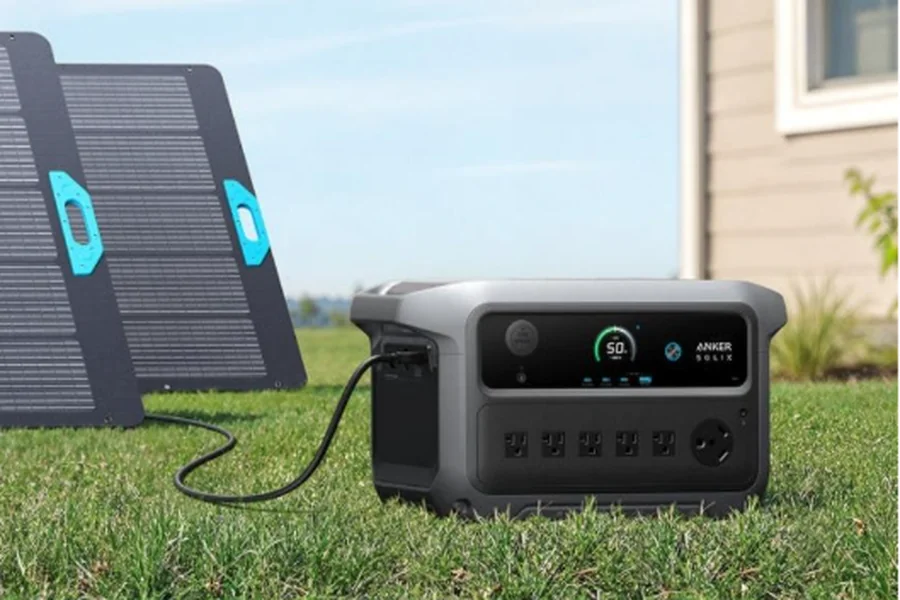
Using Weather-Resistant Battery Solutions from Anker SOLIX
The Anker SOLIX C2000 Gen 2 is well known for its exceptional ruggedness and long-term reliability, making it a strong choice for outdoor adventures, RV travel, and off-grid scenarios. Designed to withstand harsh weather conditions, it offers secure and stable energy storage in demanding environments. Its advanced power management system helps optimize energy efficiency while protecting connected devices. When planning your energy setup, leveraging these features can significantly improve safety, consistency, and overall power reliability for outdoor use.
Conclusion
By implementing safety and weatherproofing measures, portable solar panels deliver reliable, efficient power across diverse outdoor settings. Leveraging technology like the Anker SOLIX PS200 and C2000 Gen 2 ensures consistent performance and is protected against environmental elements. The importance of strategic setup, optimal handling, and compatible battery systems cannot be overstated, serving as the backbone for achieving a seamless, risk-free solar experience. Equipped with these tips, users can confidently explore outdoor terrains, powered securely by their portable solar solutions. Invest in leading-edge products and practices for sustained solar panel operation.