
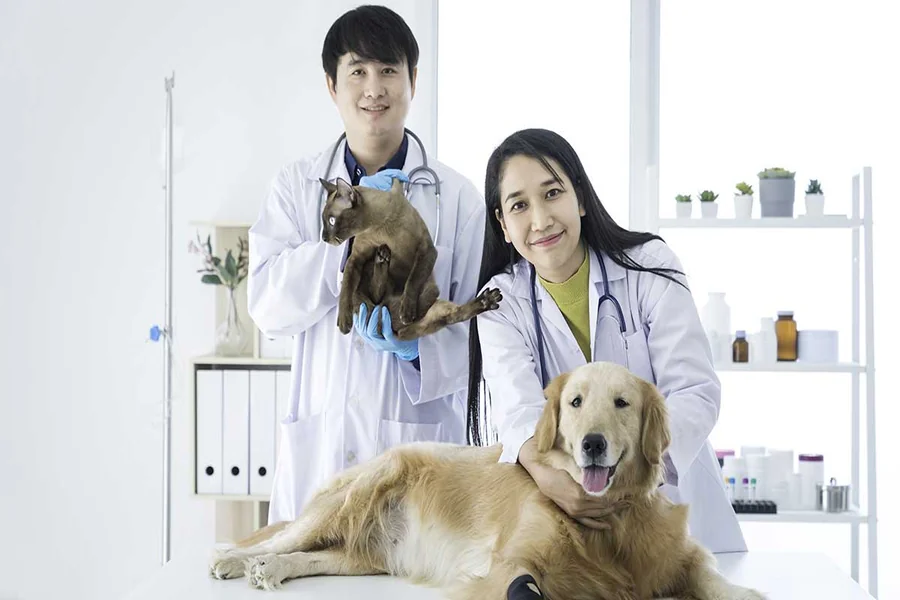
As dogs and cats grow older, they may experience gradual physical and behavioural changes that can affect their daily lives. Senior pets may become less active, develop changes in appetite, show differences in behaviour or experience age-related health concerns that require closer attention. Regular veterinary care plays an important role in helping older pets maintain their comfort and quality of life through routine monitoring, preventive care and timely medical support.
A small animal clinic can provide comprehensive care for ageing pets through health assessments, preventive measures and tailored treatment plans based on each pet’s individual needs. Regular check-ups allow veterinarians to monitor changes in a pet’s health and identify potential concerns at an earlier stage. Through early detection of age-related conditions, pet owners can take appropriate steps to manage health issues and support their senior dogs and cats as they continue to age. Learn more about senior pet care at https://drpawsvetcare.com/.
Regular Health Checks and Early Detection of Age-Related Conditions
As pets enter their senior years, regular health checks become increasingly important to monitor changes that may not always be obvious at home. Dogs and cats are often good at hiding signs of discomfort or illness, which means early symptoms of certain conditions may go unnoticed until they become more advanced. Routine veterinary visits at a small animal clinic allow potential health concerns to be identified and managed before they significantly affect a pet’s wellbeing.
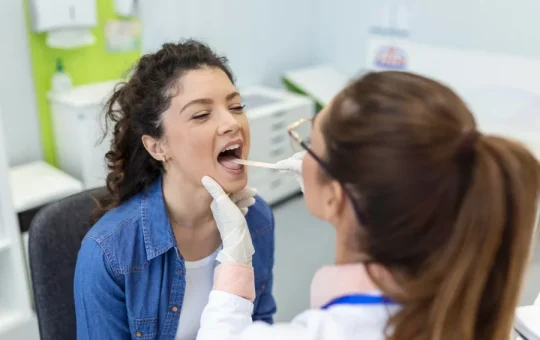
During a senior pet health assessment, veterinarians typically evaluate various aspects of a pet’s overall condition, including body weight, mobility, dental health, skin and coat condition, appetite changes and general behaviour. These examinations provide valuable information about whether a pet is ageing normally or showing signs that may require further investigation.
Older dogs and cats may be more prone to age-related conditions such as arthritis, dental disease, kidney problems, diabetes and heart-related issues. Regular monitoring helps veterinarians understand changes in a pet’s health over time and recommend suitable care options based on their specific needs.
A small animal clinic may also recommend screening tests for senior pets, such as blood tests and urine tests, to assess internal organ function and detect early changes that may not be visible through a physical examination alone. Identifying these conditions early can allow for timely management, helping senior pets remain comfortable and active for longer.
Preventive Care and Monitoring for Older Pets
Preventive care remains an important part of maintaining the health of senior dogs and cats. At a small animal clinic, regular check-ups allow veterinarians to monitor changes in a pet’s condition and provide recommendations based on their age, lifestyle and health needs.
Preventive measures such as vaccinations, parasite control and dental care can help reduce the risk of common health problems. Routine screening tests may also be advised to track organ function and identify potential concerns early, allowing pet owners to make informed decisions about their pet’s ongoing care.
Managing Chronic Conditions in Senior Dogs and Cats
As dogs and cats age, some may develop chronic health conditions that require ongoing monitoring and care. A small animal clinic can support senior pets by helping to manage conditions such as arthritis, kidney disease, diabetes and thyroid disorders. Treatment plans are often tailored to each pet’s condition, which may include medication, dietary adjustments, lifestyle changes and regular follow-up visits.
Consistent veterinary care allows changes in a senior pet’s health to be tracked over time. By monitoring symptoms and adjusting care plans when needed, veterinarians can help improve comfort, maintain daily function and support a better quality of life for ageing dogs and cats.
Supporting Mobility, Nutrition and Lifestyle Changes
Ageing can bring changes to a pet’s mobility, energy levels and nutritional requirements. Senior dogs and cats may become less active, experience joint stiffness or require adjustments to their diet to support their changing health needs. A small animal clinic can provide guidance on suitable nutrition, weight management and daily routines that are appropriate for older pets.
Veterinarians may recommend dietary changes, supplements or exercise modifications based on a pet’s condition and lifestyle. Simple adjustments at home, such as providing comfortable resting areas and easier access to food and water, can also help senior pets stay comfortable and maintain their independence as they age.
Dental Care and Quality of Life Considerations
Dental health is an important aspect of caring for senior dogs and cats, as oral problems can affect their comfort, appetite and overall wellbeing. Older pets may develop issues such as plaque build-up, gum disease or tooth discomfort, which can sometimes go unnoticed without regular examinations.
A small animal clinic can help assess a senior pet’s dental condition and recommend suitable care to maintain oral health. Pet owners should also observe changes such as difficulty eating, bad breath, reduced grooming or changes in behaviour, as these may indicate underlying discomfort.
Helping Senior Pets Age Comfortably With Veterinary Support
Senior dogs and cats require ongoing care and attention as their health needs change with age. Regular veterinary visits can help monitor their condition, identify age-related concerns early and provide suitable support to maintain their comfort and quality of life.
A small animal clinic plays an important role in caring for ageing pets through preventive care, health assessments and personalised treatment plans. By working closely with a veterinarian and keeping track of changes in behaviour, appetite and mobility, pet owners can help their senior companions enjoy their later years with greater comfort and wellbeing.
Conclusion
Providing consistent care for senior pets can help dogs and cats maintain their comfort and wellbeing as they age. Regular veterinary attention allows health concerns to be identified earlier and managed appropriately. For personalised consultations and guidance on your needs, contact us at:
Dr Paws Vet Care – Pets/Pocket Pets Health Checks, Vaccinations and Surgeries
77 Lucky Heights, Lucky Court (off Upper East Coast Road), Singapore 467626
Phone: +65 6243 4668