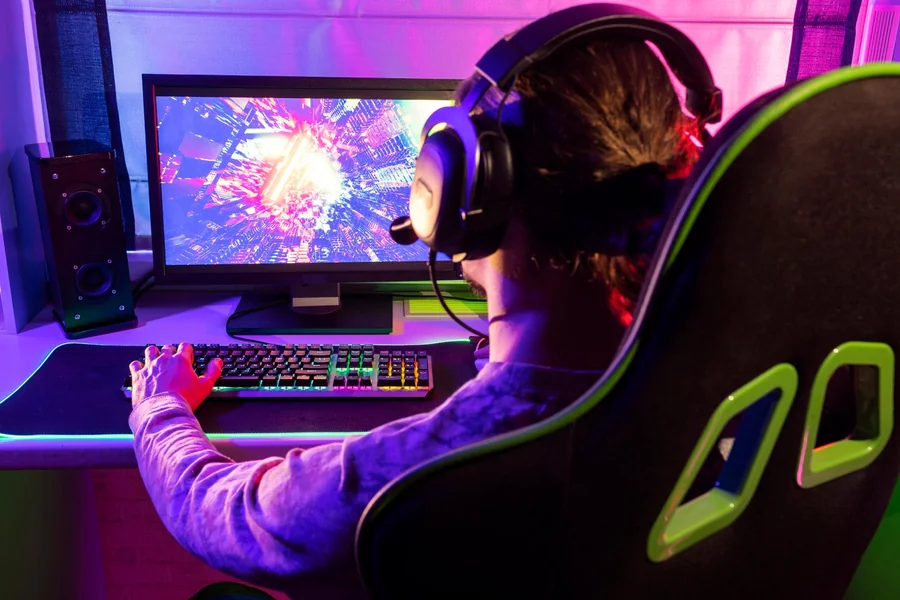

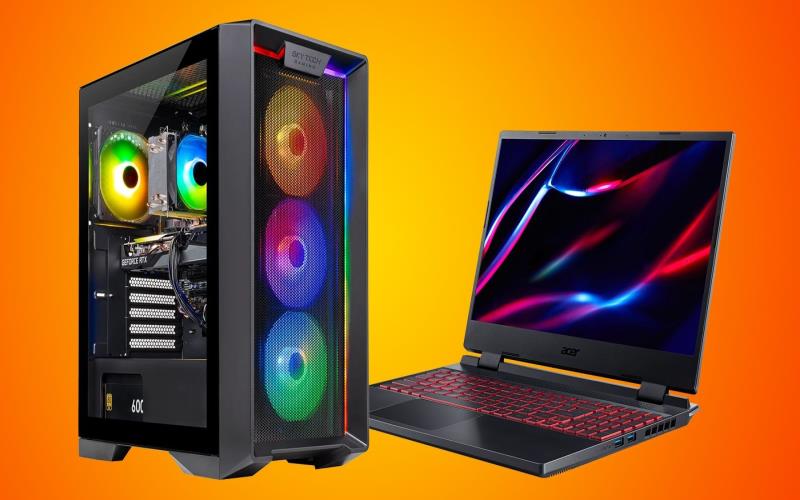
Let’s face it—if you’re even thinking about upgrading your setup, you’ve probably felt the struggle. The lag during that crucial team fight, the whirring fan trying its best to cool your laptop as it cooks your thighs, or the heartbreak of playing a high-graphic game on low settings that make it look like something from 2004. We’ve all been there. And the question that inevitably follows is: “Should I just get a gaming PC instead?” Spoiler alert: Yes, you should—and not just because it’s flashy or cool. This blog breaks it down for you—no fluff, no tech snobbery—just real talk about why investing in a gaming PC makes way more sense than sticking with a regular laptop if you’re serious about your gaming, streaming, or even multitasking lifestyle.
Performance Isn’t Just a Buzzword—It’s the Core Difference
Let’s start with the elephant in the room—performance. You might hear “laptop” and think portability is the biggest win, but when it comes to raw performance, a gaming PC just runs circles around any regular laptop. We’re talking about more powerful CPUs, dedicated GPUs, faster RAM, and efficient cooling systems—all built to deliver seamless performance even during intense gaming sessions. Laptops, especially non-gaming ones, are typically built with efficiency and compactness in mind. That means the hardware inside has to compromise on performance to fit into a sleek frame. And while this is fine for tasks like browsing or using Microsoft Word, it’s nowhere near enough for running high-end games or video editing software. A gaming PC lets you crank up the settings without stutter or lag, giving you an immersive experience that a laptop simply can’t match.
The Cooling Game: No More Thigh-Roasting Marathons
Let’s talk heat—because if you’ve ever gamed on a regular laptop, you know what I’m talking about. That mini jet engine sound? That’s your laptop’s fan crying for help. Laptops have limited space, which means cooling is often subpar. Once your CPU and GPU start working overtime, the temperature spikes, and your laptop performance takes a nosedive. Thermal throttling kicks in, which means your system slows itself down just to avoid overheating. Gaming PCs, on the other hand, are equipped with multiple fans, liquid cooling options, and airflow designs that keep everything running chill—even during those late-night Call of Duty marathons. Cooler temps mean better performance, longer hardware life, and let’s be honest, no more using your laptop as an accidental leg heater.
Upgradability: Future-Proofing Without a Full Rebuy
When your regular laptop starts feeling slow, your only real option is to buy a new one. Maybe you can upgrade the RAM or swap out a hard drive, but that’s about it. With a gaming PC? You have a buffet of options. Want a better graphics card? Easy. Need more storage? Plug in a new SSD. Looking to speed things up with a new processor? Sure thing. The modular nature of gaming PCs means you’re never stuck. It’s like building a LEGO set for grown-ups—with performance as the reward. This upgradability not only saves you money in the long run but also means your rig can evolve with the demands of the latest games or software, keeping you ahead of the curve without needing to drop $1,500+ every few years.
Graphics That Actually Look Like the Game Trailer
You know that feeling when you watch a game trailer, and it looks insane, but when you run it on your laptop, it feels like the graphics got hit with a blur filter? That’s the result of integrated graphics doing their best—bless their hearts. Regular laptops often rely on integrated GPUs, which just aren’t made for high-end games. Even if they can technically “run” the game, you’ll likely be dealing with jagged edges, poor frame rates, and settings turned so low it feels like you’re playing in a fog. Gaming PCs come equipped with dedicated graphics cards like the NVIDIA RTX or AMD Radeon series that can run AAA games at ultra settings with ray tracing on. And that’s not just for first-person shooters—if you enjoy the visually immersive world of games like toto slot 4d game or poker game, those details make all the difference between meh and mesmerizing.
Multitasking Powerhouse: Because Gaming Isn’t All You Do
Let’s be honest—today’s gamers do more than just game. You might be live-streaming to Twitch, recording gameplay for YouTube, running Discord in the background, maybe even handling some video editing or programming on the side. A regular laptop can barely juggle a browser and a game without gasping for air. A gaming PC, on the other hand, is built to multitask like a champ. Multiple cores, higher clock speeds, and larger RAM capacities mean you can game, stream, chat, and browse all at once—without a single hiccup. That makes it the ideal choice for content creators, aspiring pros, and even remote workers who want their system to do more than just open spreadsheets.
Display and Resolution—It’s Not Just About Size
Sure, you can connect your laptop to an external monitor, but that’s still limited by your GPU and RAM. Gaming PCs are meant to handle multiple high-res monitors, including 2K, 4K, and ultra-wide displays. That means smoother gameplay, higher frame rates, and jaw-dropping detail. This especially matters in games where every frame counts, like first-person shooters or racing simulators. Even casual games, including beautifully designed slot game interfaces or poker qq online game lobbies, become noticeably richer when displayed in crystal-clear HD at 144Hz or more. You don’t just play the game—you experience it, and that’s a luxury a regular laptop can’t consistently deliver.
Cost Over Time: Think Investment, Not Expense
Okay, here’s the part where people pause. A gaming PC sounds expensive upfront—and to be fair, it is more costly than a mid-range laptop out of the box. But here’s the kicker: it’s an investment that pays for itself over time. With upgradability and long-term durability, you’re saving money that you’d otherwise spend on frequent laptop replacements or repairs. Think about it—buy a regular laptop for $800, and three years later, you’re replacing it. Do that twice, and you’ve spent more than a solid gaming rig that could last you 6-8 years with just minor upgrades. Plus, if you’re into competitive gaming or content creation, the better performance can literally translate to higher earnings or exposure—making it a smart financial move if gaming is more than just a hobby for you.
Portability vs. Power: What Really Matters?
Yes, laptops win in the portability department. But ask yourself—how often do you really game while traveling? For most gamers, serious sessions happen at home, with a stable internet connection and a comfortable setup. You can always grab a Steam Deck or use cloud gaming on your phone for casual on-the-go play. But when you want power, performance, and immersion, you need something more grounded. And honestly, gaming PCs have come a long way—even compact builds like mini-ITX systems can fit under your desk without taking up your whole room. If you value raw performance over occasional portability, a gaming PC is the obvious choice.
Community, Mods, and Customization
One of the underrated perks of gaming PCs is the community around them. From custom builds and RGB lighting setups to community mods that transform your gaming experience, the level of personalization is unmatched. With laptops, you’re mostly stuck with what you get. With PCs, the sky’s the limit. Want to water-cool your system? Go for it. Fancy building a transparent case that lights up like a spaceship? No problem. Plus, many online communities offer free mods, performance tweaks, and tech advice that can make your machine feel truly yours. This culture of customization isn’t just fun—it helps you learn more about your system and get the most out of it.
The Final Verdict: Power to the Players
At the end of the day, choosing between a gaming PC and a regular laptop boils down to what you value most. If you’re casually gaming, a laptop might hold you over. But if you crave buttery-smooth frame rates, gorgeous graphics, long-lasting performance, and the ability to grow with your setup, the gaming PC wins—hands down. It’s not just a purchase; it’s a power move. You’re giving yourself the tools to play, create, and push limits. Whether you’re deep in an intense FPS or enjoying the digital thrill of a poker game, the difference in experience is undeniable.