
Membrane permeability determines how substances move across cell membranes, impacting nutrient uptake, waste removal, and signal transduction. It is essential for cellular function and homeostasis. Key influencing factors include membrane lipid composition, temperature, pH, and molecular properties such as size and polarity. Changes in these conditions can significantly alter permeability. Conducting a permeability study helps researchers understand these dynamics and how cells adapt, regulate biochemical processes, and maintain internal balance. Insights into membrane permeability study are fundamental to advancements in medicine, drug delivery, and biotechnology. Studying these mechanisms provides a clearer view of cellular behavior and how external factors influence molecular transport across biological membranes.
Lipid Composition and Membrane Structure
Phospholipid Saturation and Chain Length
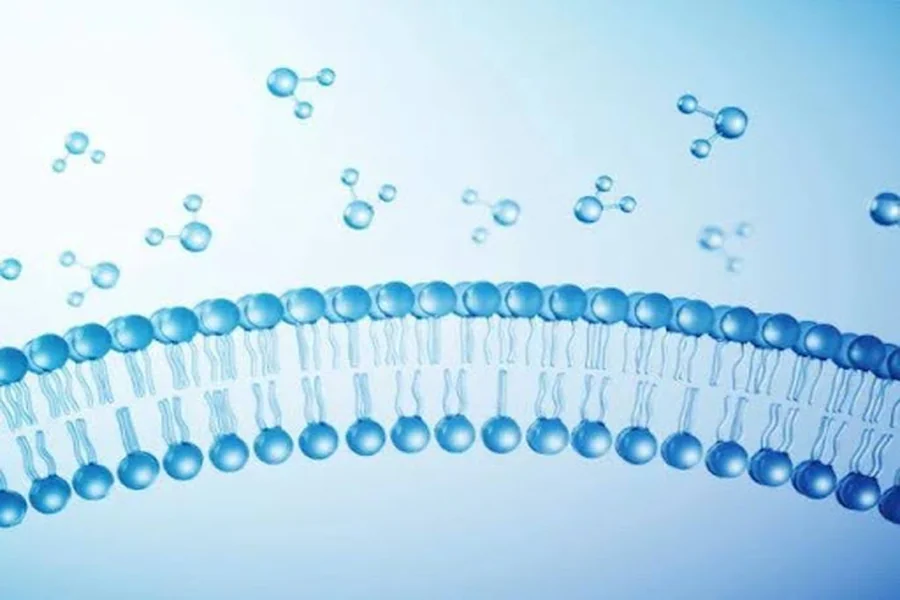
The composition of lipids in a cellular membrane significantly affects its permeability. Phospholipids, the primary building blocks of cell membranes, consist of hydrophilic heads and hydrophobic tails. The saturation level and length of these fatty acid chains determine the fluidity and permeability of the membrane. Unsaturated fatty acids, with one or more double bonds, introduce kinks in the chain, increasing fluidity and thus permeability. In contrast, saturated fatty acids, with no double bonds, lead to tightly packed chains that decrease membrane fluidity and permeability. Chain length also plays a role; shorter chain lengths enhance fluidity and increase permeability, while longer chains have the opposite effect.
Cholesterol Content and Its Effects
Cholesterol serves a dual role in modulating membrane fluidity and permeability. Interspersed among phospholipids, it disrupts the regular packing of fatty acid chains, which can either increase or decrease permeability depending on temperature. At lower temperatures, cholesterol maintains membrane fluidity by preventing tight packing, thus increasing permeability. Conversely, at higher temperatures, it helps stabilize the membrane structure, reducing excessive fluidity and consequently permeability. This regulatory function of cholesterol ensures that membrane permeability is balanced across varying environmental conditions, enabling proper cellular function.
Environmental Factors Affecting Permeability
Temperature Variations
Temperature exerts a substantial influence on membrane permeability. As temperature rises, the kinetic energy within lipid molecules increases, causing them to move more freely and rendering the membrane more permeable. This increased permeability facilitates the diffusion of molecules across the membrane. Conversely, cooler temperatures decrease kinetic energy and restrict molecular movement, resulting in a tighter, less permeable membrane. This temperature dependency underscores the importance of a stable cellular environment to optimize permeability for vital metabolic processes.
pH Levels and Solvent Presence
The pH level of a cell’s surrounding environment can also impact membrane permeability. Extreme pH levels can lead to protonation or deprotonation of membrane components, altering the charge balance and structural integrity of the membrane. This, in turn, affects how molecules permeate the membrane. Acidity or alkalinity fluctuations may impact the activity and expression of transport proteins, further influencing permeability. Solvents present in the environment can act as permeabilizing agents. Organic solvents, such as ethanol, can insert themselves between membrane lipids, increasing fluidity and permeability. The presence of solvents often reflects environmental stress, prompting cellular adaptation to maintain balance and functionality.
Molecular Characteristics Influencing Permeability
Size, Polarity, and Charge of Molecules
Molecular characteristics such as size, polarity, and charge determine how easily substances traverse the membrane. Small, nonpolar molecules can diffuse freely through the lipid bilayer due to their compatibility with the hydrophobic core. Larger, polar, or charged molecules, however, face more significant barriers to passive diffusion. Their size, polarity, or electrical charge may hinder their passage through the lipid phase, often necessitating alternative transport mechanisms to facilitate membrane crossing.
Role of Transport Proteins
Transport proteins are critical in modulating membrane permeability for molecules that cannot diffuse through the lipid bilayer unaided. These proteins, which include channels and carriers, provide pathways or physically transport specific molecules across the membrane. Their activity is influenced by factors such as substrate concentration and the presence of regulatory molecules, making them dynamic facilitators of selective permeability. By guiding the passage of larger or charged molecules, transport proteins maintain homeostasis and regulate cellular responses to external stimuli.
Experimental Approaches to Study Membrane Permeability
In Vitro Assays and Models
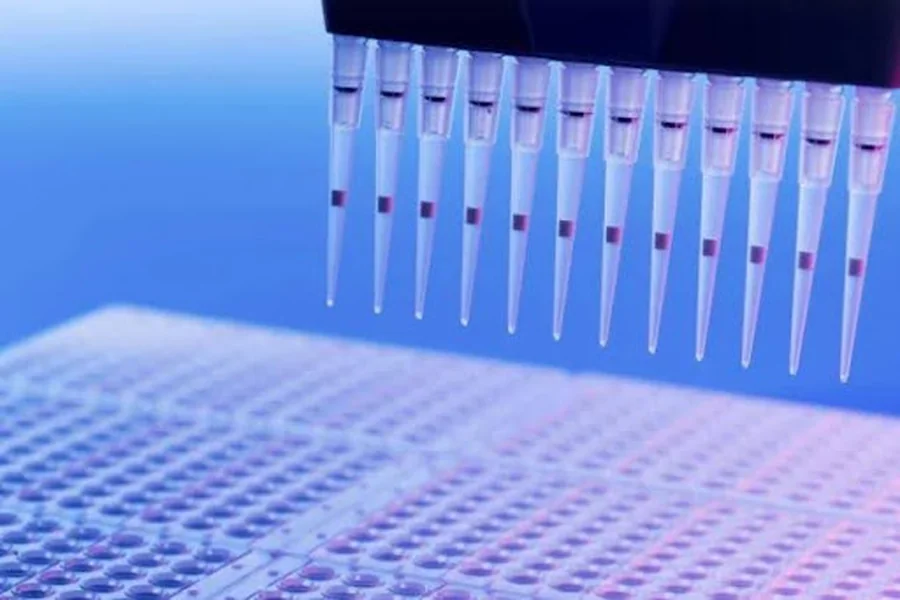
In vitro assays and models provide essential tools for studying membrane permeability. Liposomes and artificial membrane systems, replicating cell membrane properties, serve as controlled environments to observe how different factors influence permeability. These models provide valuable insights into the role of lipid composition and environmental conditions, helping researchers dissect the complexity of biological membranes. In vitro assays allow manipulation of individual variables, offering clarity on their specific impacts on membrane permeability.
Measurement Techniques and Indicators
To quantify membrane permeability, several measurement techniques and indicators are employed. Fluorescence assays, for example, can track the movement of tagged molecules across the membrane, offering both qualitative and quantitative data. Permeability indicators such as electrical resistance and solute fluxes provide additional layers of understanding. These measurement techniques are crucial for refining our knowledge of membrane dynamics and generating data applicable to practical and clinical settings. Understanding how various factors affect permeability assists in developing targeted interventions and solutions for membrane-related challenges.
Conclusion
Membrane permeability is crucial for cellular interaction with the environment, shaped by lipid composition, environmental conditions, and molecular traits. Factors like lipid saturation and cholesterol affect membrane fluidity, while temperature and pH influence permeability dynamics. Molecules’ size and polarity also determine passage efficiency. Experimental studies offer vital insights into these mechanisms. This knowledge supports innovations in drug delivery, biotechnology, and cellular research. By understanding and controlling permeability, scientists can design targeted therapies, improve drug absorption, and deepen our grasp of biological systems. Overall, membrane permeability remains a foundational concept with wide-reaching implications in the life sciences and biomedical advancement.