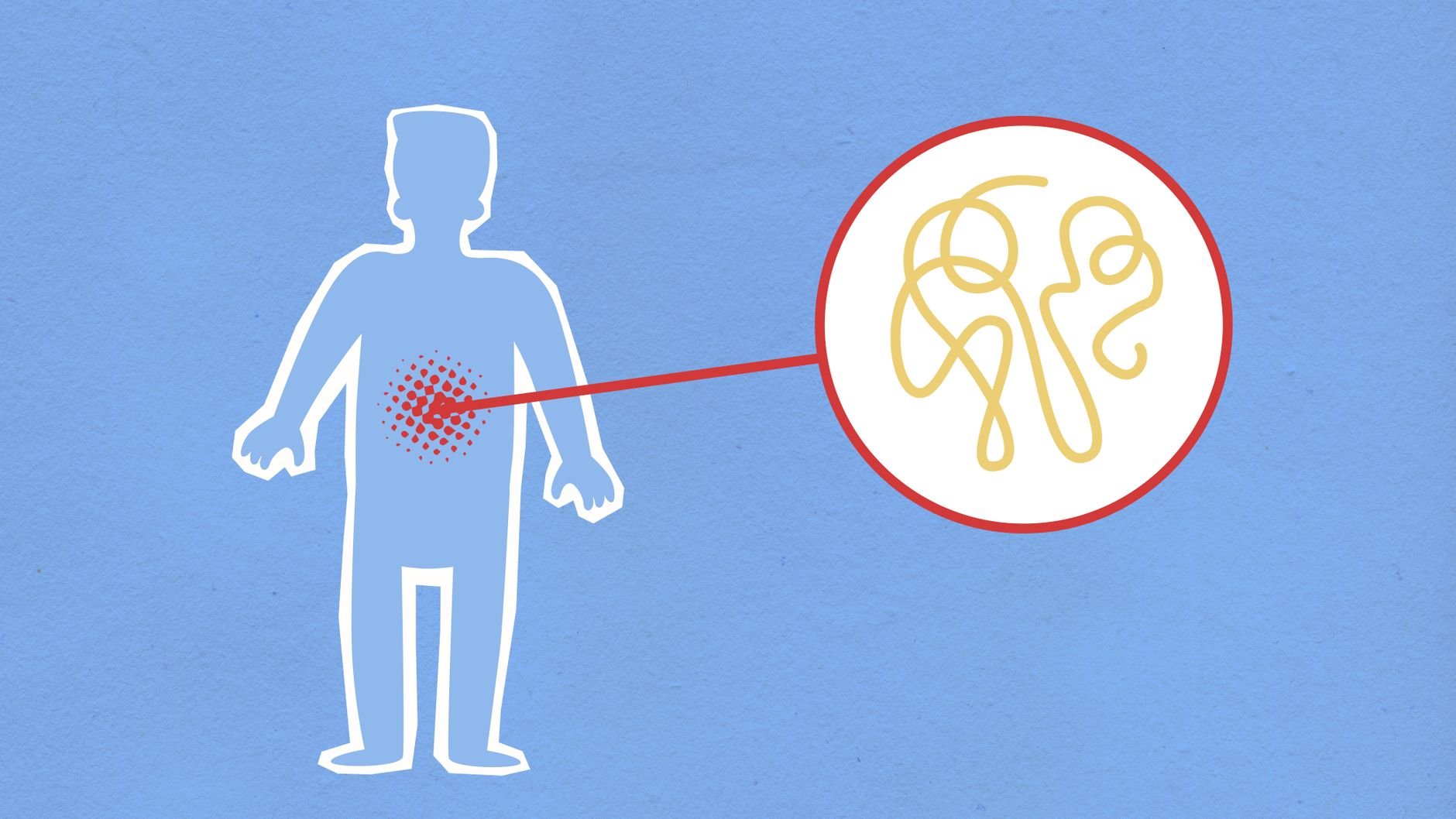


Intrathecal therapy offers hope for those battling chronic pain. By delivering medication directly to the spinal cord, this innovative approach targets pain right at the source. People suffering from severe pain have new treatment options. This method promises reduced pain with fewer side effects than traditional oral medications. Understanding intrathecal therapy’s mechanics and benefits can guide patients and healthcare providers toward better pain management strategies.
How Intrathecal Therapy Works
Direct Drug Delivery to the Spinal Cord
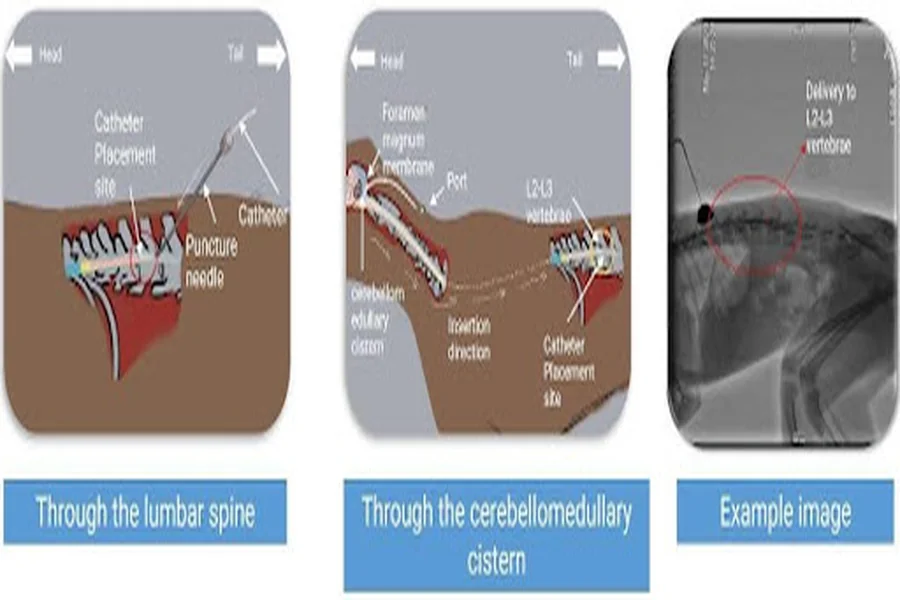
Intrathecal therapy administers medication directly into the cerebrospinal fluid surrounding the spinal cord. This precise delivery enhances drug efficacy, as the medication bypasses metabolic processes encountered with oral administration. Patients benefit from rapid pain relief, as drugs act swiftly at the source. The direct application allows smaller dosages to achieve significant effects, optimizing pain management outcomes for chronic pain sufferers.
Interaction with the Central Nervous System
The therapy targets the central nervous system (CNS) by adjusting the way pain signals are perceived. By altering neurotransmission pathways, it can diminish the intensity of pain signals reaching the brain. Specialists utilize this intricate interaction to achieve pain relief unattainable through conventional methods. Effective targeting within the CNS can mitigate chronic pain symptoms, improving patient quality of life considerably.
Pain Signal Modulation and Relief
Intrathecal therapy modulates pain signals entering the CNS, reducing their intensity and prevalence. This modulation alters the pain experience, significantly diminishing discomfort for the patient. Specially formulated medications work to intercept pain signals before they reach critical brain regions. This strategy results in substantial pain reduction and offers an alternative route of relief for patients who have exhausted other options.
Benefits for Chronic Pain Patients
Reduced Need for Oral Pain Medications
Patients undergoing intrathecal therapy often rely less on oral painkillers. As the treatment provides direct spinal cord medication delivery, it effectively manages pain with smaller drug quantities. Physicians find that patients frequently reduce or even discontinue oral pain medication. Many individuals also explore complementary options like magnesium oil spray, which can support muscle relaxation and provide localized relief. This approach addresses concerns about long-term oral drug use, including dependency and tolerance issues, enhancing overall patient health.
Enhanced Pain Control with Low Dosage
This therapy allows for improved pain control using extremely low medication doses. Direct administration to the pain site ensures maximum drug efficacy. Patients experience more consistent pain relief without the peaks and troughs associated with traditional dosing. Low dosage reduces the risk of adverse reactions, making it a viable long-term solution for chronic pain management.
Fewer Systemic Side Effects
Intrathecal therapy minimizes systemic side effects often associated with oral medications. Since drugs don’t travel through the digestive system or bloodstream in large quantities, the likelihood of gastrointestinal or cardiovascular issues diminishes. Patients benefit from targeted pain management with a lower risk of experiencing common side effects like drowsiness or dizziness. This enhances compliance, efficacy, and overall patient satisfaction.
Types of Chronic Pain Treated
Cancer-Related Pain and Palliative Care
Intrathecal therapy plays a crucial role in managing cancer-related pain. It provides effective relief for palliative care patients, alleviating their pain through precise drug administration. This therapy offers cancer patients a significant improvement in quality of life during challenging times. It meets the specific needs of those requiring robust pain management while minimizing overall drug exposure.
Neuropathic Pain and Spasticity
Patients experiencing neuropathic pain or spasticity gain substantial relief from intrathecal therapy. Conditions such as multiple sclerosis or complex regional pain syndrome respond well to this targeted treatment. By focusing on the precise pain pathways, patients experience a decrease in debilitating symptoms. This therapy helps reduce unwanted muscle spasms, leading to improved mobility and comfort.
Failed Back Surgery Syndrome and Others
Intrathecal therapy assists individuals dealing with conditions like failed back surgery syndrome. This method offers solutions when traditional surgical or pharmacological treatments fall short. People with chronic pain from diverse sources, including injury or surgery complications, find renewed hope. This targeted approach ensures that even persistent, challenging pain receives appropriate, effective management.
Patient Evaluation and Therapy Planning
Screening and Diagnostic Assessment
The process begins with a thorough screening and diagnostic assessment. Practitioners evaluate patient conditions, ensuring suitability for intrathecal therapy. This step identifies who will benefit most from the approach. Factors considered include pain origin, severity, and previous treatment effectiveness. A comprehensive assessment guarantees that only the most suitable candidates proceed with intrathecal therapy.
Trial Dose and Response Monitoring
Doctors start with a trial dose to evaluate efficacy and patient response. Close monitoring ensures the treatment aligns with patient needs and minimizes unwanted effects. During this phase, adjustments tailor therapy for optimal results. Detailed feedback from this trial phase informs long-term plans, ensuring that each patient gets the most from intrathecal therapy.
Long-Term Therapy and Maintenance
Long-term treatment involves ongoing therapy and maintenance efforts. Regular follow-ups allow adjustments based on patient progress and evolving needs. Maintenance ensures that patients continue receiving effective pain relief over time. Healthcare teams work with patients to fine-tune medication dosages and schedules, providing sustainable, effective pain management as circumstances change.
Conclusion
Intrathecal therapy shines as a promising solution for chronic pain treatment. By targeting the CNS with precision through the intrathecal route, it offers significant pain relief where other methods may fail. Patients experience fewer systemic side effects and gain better control over their pain levels. A comprehensive evaluation ensures proper patient selection, optimizing therapy outcomes. This approach heralds a new era of pain management with the potential to transform lives, providing lasting relief for those in need.