Introduction to Vertical Spread Options
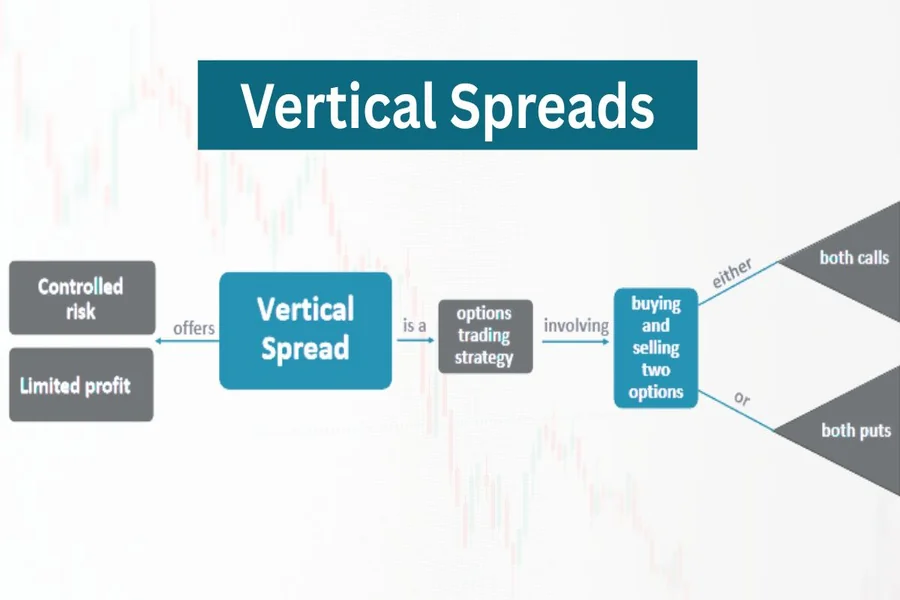
In the dynamic world of options trading, vertical spreads have become a pivotal strategy for investors aiming to balance risk and reward. A vertical spread involves buying and selling options of the same type (either calls or puts) with identical expiration dates but different strike prices. This approach allows traders to capitalize on market movements while maintaining a clear understanding of potential gains and losses.
For a detailed exploration of vertical spread options, including their mechanics and applications, consider visiting Questrade’s comprehensive guide on vertical spread options. Questrade, a leading Canadian online brokerage, offers in-depth educational resources and trading platforms tailored to both novice and experienced investors.
Types of Vertical Spreads
Vertical spreads are categorized based on market outlook and the type of options used:
1. Bullish Vertical Spreads: Designed for investors anticipating a rise in the underlying asset’s price. This includes:
2. Bull Call Spread: Buying a call option at a lower strike price while selling another call option at a higher strike price.
3. Bull Put Spread: Selling a put option at a higher strike price and buying another put option at a lower strike price.
4. Bearish Vertical Spreads: Suited for expectations of a decline in the asset’s price. This includes:
5. Bear Call Spread: Selling a call option at a lower strike price and buying another call option at a higher strike price.
6. Bear Put Spread: Buying a put option at a higher strike price and selling another put option at a lower strike price.
Advantages of Incorporating Vertical Spreads
Integrating vertical spreads into an investment portfolio offers several benefits:
1. Defined Risk and Reward: The maximum potential loss and gain are predetermined, providing clarity and control over investment outcomes.
2. Cost Efficiency: Vertical spreads typically require less capital compared to outright option purchases, making them accessible to a broader range of investors.
3. Flexibility: These strategies can be tailored to various market conditions, whether bullish, bearish, or neutral.
Expanding Your Knowledge of Vertical Spreads
To fully appreciate the potential of vertical spreads, investors should understand not only the mechanical aspects but also the strategic nuances of these options. Vertical spreads can be utilized not just as standalone strategies but also as foundational building blocks for more complex spread strategies, such as iron condors and butterflies. These advanced strategies involve combining multiple vertical spreads to further define risk, manage volatility exposure, and potentially enhance returns. By mastering vertical spreads first, traders position themselves to explore and confidently execute these additional techniques.
Moreover, vertical spreads offer valuable lessons in risk management and market psychology. By setting clear limits on both potential profit and loss, vertical spreads help investors control emotional trading decisions and avoid overexposure to unpredictable market swings. This disciplined approach encourages long-term growth and stability in a well-rounded investment portfolio. Investors who dedicate time to learning different spread setups, backtesting strategies, and analyzing historical outcomes will be better equipped to develop a consistent and sustainable trading plan.
Real-World Applications and Popularity
The adoption of vertical spread strategies has been on the rise among both institutional and retail investors. For instance, a report highlighted that options-based income strategies are becoming a core component of client portfolio construction, moving beyond speculative tools to integral parts of investment strategies.
Additionally, the increased popularity of online trading platforms and mobile apps has made vertical spreads more accessible than ever. Many brokerages offer dedicated tools that help investors model potential outcomes, calculate break-even prices, and analyze risk-reward profiles before entering a trade. This accessibility democratizes the use of vertical spreads and empowers a new generation of investors to participate in options markets with confidence and transparency.
Some investors employ vertical spreads as a complement to other traditional investments such as stocks and bonds. This combination enables a portfolio to benefit from steady capital growth while generating supplementary income or mitigating the impact of short-term market fluctuations. By systematically allocating a small portion of capital to option spreads, investors can pursue enhanced returns without jeopardizing overall portfolio safety.
Implementing Vertical Spreads in Your Portfolio
To effectively incorporate vertical spreads, consider the following steps:
- Assess Market Outlook: Determine your expectations for the underlying asset’s price movement.
- Select the Appropriate Spread: Choose between bullish or bearish vertical spreads based on your market analysis.
- Define Strike Prices and Expiration: Set strike prices and expiration dates that align with your risk tolerance and investment goals.
- Monitor and Adjust: Regularly review the performance of your spreads and make adjustments as needed to optimize outcomes.
Education and practice are crucial when first implementing vertical spreads. Consider using paper trading accounts to simulate trades in real market conditions without risking actual capital. This experience will help you gain confidence, refine your strategies, and learn how vertical spreads react to price changes, volatility shifts, and time decay (theta).
It is also wise to stay current with market news and economic events that could influence the underlying securities you target. By integrating fundamental analysis with technical indicators, you can improve your ability to time trades and manage spreads more effectively, maximizing your probability of success.
Risks and Considerations
While vertical spreads offer defined risk, it’s essential to be aware of potential drawbacks:
1. Limited Profit Potential: The maximum gain is capped, which may not suit investors seeking unlimited upside.
2. Complexity: Understanding the nuances of options trading is crucial to effectively implementing these strategies.
3. Market Conditions: Sudden shifts can affect the effectiveness of vertical spreads, requiring vigilant monitoring.
Another consideration is the effect of commissions and fees on overall returns. Even though many brokers offer commission-free stock and ETF trading, options trades may still incur per-contract or exercise/assignment fees. Be sure to factor these costs into your profit-and-loss calculations when evaluating vertical spreads, particularly for strategies involving multiple contracts or frequent adjustments.
Finally, as part of a well-rounded investment process, it’s beneficial to maintain diversification and avoid relying solely on option spreads. Balancing vertical spreads with other asset classes, time horizons, and investment styles can help reduce overall portfolio risk and provide more consistent performance across various market environments.
Conclusion
Vertical spread options strategies have become a valuable tool in modern investment portfolios, offering a balanced approach to risk and reward. By understanding and implementing these strategies, investors can enhance portfolio diversification, manage risk more effectively, and potentially generate additional income. As with any investment approach, thorough research and continuous education are key to successful application.
The disciplined use of vertical spreads can help investors weather short-term volatility, adapt to changing markets, and meet their financial objectives without unnecessary complexity or risk. As you deepen your understanding, leverage available educational resources, and refine your trading discipline, vertical spreads may become an essential component of a more robust, resilient investment strategy.