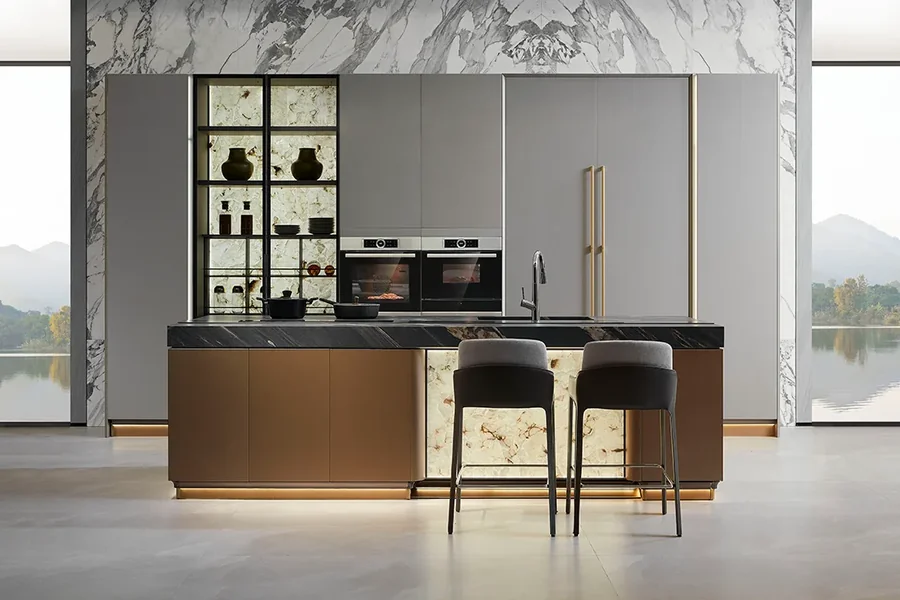


Remodeling a small bathroom can feel like a daunting challenge. Limited square footage often makes homeowners feel restricted, leaving them to wonder if a significant transformation is even possible. The good news is that small bathrooms can have a big impact when approached strategically. With clever design choices, space-saving features, and thoughtful aesthetics, even the tiniest bathrooms can feel luxurious, functional, and visually stunning. Here are practical tips to maximize both style and space in tight bathroom spaces.
1. Prioritize a Functional Layout
The first step in remodeling a small bathroom is evaluating the layout. Space is limited, so every inch counts. Begin by mapping the essential elements: toilet, sink, and shower or bathtub. Consider whether relocating plumbing fixtures is feasible; even slight shifts can dramatically improve flow. For instance, swapping a traditional bathtub for a corner shower or a walk-in shower can free up floor space, making the room feel less cramped.
Wall-mounted sinks and toilets are particularly effective in small bathrooms. By keeping the floor visible, these fixtures create the illusion of more space while maintaining functionality. In extremely tight spaces, consider a floating vanity with open shelving underneath—it provides storage without the bulk of a traditional cabinet.
2. Use Light Colors and Reflective Surfaces
Color is one of the most powerful tools in small-space design. Light hues such as whites, soft grays, or pale blues make a room feel larger by reflecting more light. Matte finishes can help soften the room, but incorporating glossy or reflective surfaces—like polished tiles, mirrors, or glass shower doors—can amplify light and visually expand the space.
Mirrors are especially crucial in small bathrooms. A large wall-mounted mirror above the sink can double the perceived space and enhance natural light. For a modern twist, consider mirrored cabinet doors or mirrored walls, which add depth while providing practical storage solutions.
3. Smart Storage Solutions
Clutter is the enemy of small bathrooms. When every square foot counts, efficient storage is essential. Utilize vertical space with tall cabinets or shelving above the toilet. Built-in niches within shower walls are perfect for storing toiletries without adding extra bulk.
Multipurpose furniture is also a lifesaver. Medicine cabinets, floating vanities with drawers, and under-sink organizers can hide everyday items while keeping surfaces clean. Even small baskets or hooks strategically placed can keep towels, robes, and accessories organized.
4. Optimize Lighting
Lighting is another key element in making a small bathroom feel bigger. Layered lighting works best: combine ambient lighting, task lighting, and accent lighting to create depth. Recessed ceiling lights or slim-profile LED fixtures save space while providing ample illumination.
Consider wall sconces or vertical lights flanking the mirror for even, flattering light that’s perfect for grooming tasks. If your bathroom has a window, maximize natural light by using sheer shades or frosted glass. The brighter the room, the more open and airy it will feel.
5. Choose Space-Saving Fixtures
In tight bathrooms, the right fixtures can make all the difference. Compact toilets, pedestal sinks, and corner vanities are excellent choices. Frameless glass shower doors are particularly effective in opening up visual space compared to bulky shower curtains or framed doors. Sliding or pocket doors are another space-saving option, eliminating the need for swing clearance that a traditional door requires.
For added comfort and hygiene, consider incorporating high-quality Luelue Bidets, which provide a modern upgrade without taking up extra space.
Even hardware choices matter. Sleek faucets, towel bars, and showerheads that extend from the wall without taking up floor space can maintain a clean, uncluttered aesthetic. Minimalist fixtures with a modern design often have a more spacious feel than ornate or bulky alternatives.
6. Make a Statement with Tile and Pattern
While it’s important to keep the overall color palette light, don’t shy away from adding personality. Tiles can serve as both functional and decorative elements. Large-format tiles, laid vertically, create the illusion of height and elongate the walls. Subway tiles with clean grout lines can make walls appear continuous and less segmented.
Floor patterns can also add depth. Diagonal or herringbone patterns draw the eye along the length of the room, making it feel more expansive. Textured tiles or subtle accent walls behind the sink or shower can provide visual interest without overwhelming the space.
7. Incorporate Multifunctional Elements
In small bathrooms, multifunctional elements are a game-changer. A shower-tub combo with a built-in bench, a vanity that doubles as a laundry hamper, or a mirror with integrated lighting and storage are all ways to maximize utility. Even a fold-down seat or a retractable drying rack can add convenience without crowding the space.
Every item in a small bathroom should earn its keep. Combining storage, style, and function ensures that the remodel achieves both practicality and aesthetic appeal.
8. Don’t Forget the Details
Sometimes, small details make the biggest impact. Decorative hooks, stylish dispensers, coordinated towels, and plants can bring warmth and personality to the room. Adding a pop of color through accessories or an accent wall can energize the space, making it feel intentional rather than cramped.
Attention to detail also extends to textures and materials. Wood-look tiles, stone countertops, or soft textiles can add depth and richness, giving your small bathroom a luxurious, spa-like feel.
9. Plan for Ventilation
A small bathroom can easily feel stuffy and humid, which undermines even the best design choices. Proper ventilation is crucial for maintaining a fresh, comfortable environment and protecting finishes from mold or mildew. If a window isn’t sufficient, invest in a high-quality exhaust fan with a quiet operation and appropriate airflow capacity for the room size.
Remodeling a small bathroom doesn’t have to mean compromise. By prioritizing layout, choosing light colors and reflective surfaces, implementing clever storage solutions, and selecting space-saving fixtures, even the tiniest bathrooms can be transformed into functional, stylish retreats. Small details, smart lighting, and thoughtful materials all contribute to creating a room that feels larger, brighter, and more inviting.
With careful planning and strategic design, your small bathroom can deliver a big impact—proving that size doesn’t limit style or function.