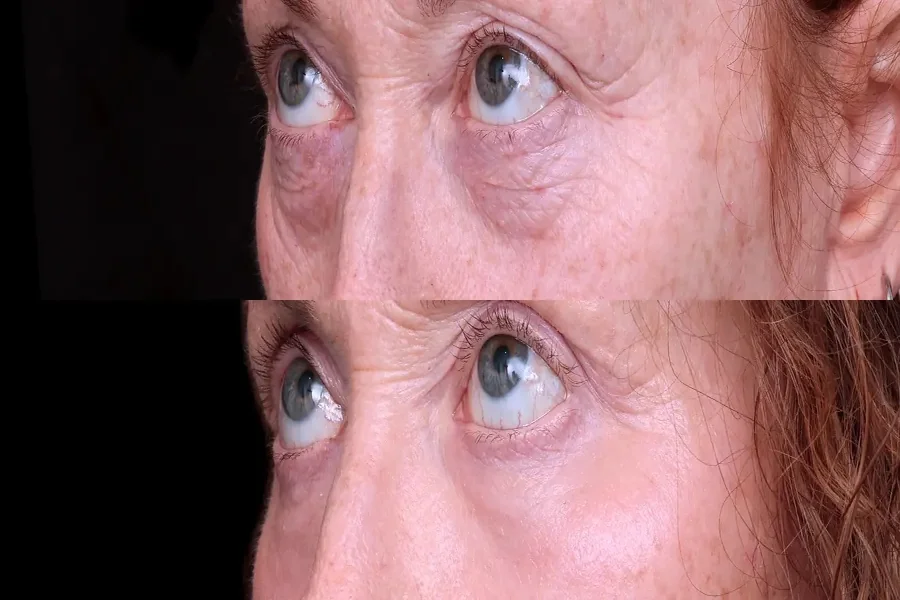
Dark circles under the eyes can make you look tired and older than you feel. Many people try creams and home remedies with little success. Laser treatment for dark circles offers a medical approach that targets the root causes of this common concern.
Understanding How Laser Treatment Works
Laser therapy uses focused light energy to address pigmentation and blood vessels beneath the skin. The treatment works by breaking down excess melanin or targeting visible veins that create a shadowy appearance. Different laser types treat different causes of dark circles.
The procedure stimulates collagen production in the under-eye area. This helps thicken thin skin that often makes blood vessels more visible. Some lasers also improve skin texture and tone at the same time.
Preparing for Your First Session
Your consultation happens before any treatment begins. A qualified practitioner assesses your skin type and the cause of your dark circles. They explain which laser type suits your needs and what results you can expect.
You should avoid sun exposure for several weeks before treatment. Tanned skin increases the risk of side effects. Stop using retinol products and certain medications that make skin sensitive to light.
Remove all makeup before your appointment. The practitioner cleans your skin thoroughly to prevent infection. Some clinics apply numbing cream to reduce discomfort during the procedure.
What Happens During Treatment
The session typically lasts 20 to 45 minutes. You wear protective eyewear throughout the procedure. The practitioner passes the laser device over the treatment area in careful patterns.
Most people describe the sensation as a rubber band snapping against skin. The numbing cream helps manage any discomfort. Some laser types include cooling mechanisms to protect the skin surface.
You might smell a slight burning odour during treatment. This comes from the laser interacting with skin cells. The practitioner adjusts settings based on your comfort level and skin response.
Immediate Aftermath
Your under-eye area will look pink or red right after treatment. This resembles a mild sunburn and is completely normal. Some people experience slight swelling that makes the area feel puffy.
The treated skin might feel warm or tight for several hours. Apply cool compresses to ease any discomfort. Avoid touching or rubbing the area to prevent irritation.
You can return to normal activities the same day. However, skip intense exercise for 24 hours to reduce swelling. Wear sunglasses when going outside to protect sensitive skin.
The First Week After Treatment
Mild swelling usually peaks within 48 hours then gradually reduces. The redness fades over three to seven days. Some people develop tiny scabs or experience light peeling as skin heals.
Keep the area clean and moisturised as directed. Use gentle, fragrance-free products to avoid irritation. Apply sunscreen daily with SPF 30 or higher to protect healing skin.
Avoid makeup for at least 24 hours after laser treatment for dark circles. When you do resume using cosmetics, choose mineral-based products. These are less likely to cause reactions on sensitive skin.
Long-Term Results and Maintenance
Initial improvements appear within two to four weeks. The full effect develops over several months as collagen production increases. Most people need multiple sessions spaced four to six weeks apart.
The number of treatments varies based on the severity of dark circles. Mild cases might need two to three sessions. More pronounced pigmentation or vascular issues may require five or more treatments.
Results from laser treatment for dark circles can last several years. Good sun protection helps maintain improvements. Some people choose annual touch-up sessions to preserve results.
Potential Side Effects
Temporary changes in skin colour can occur. The treated area might look darker or lighter than surrounding skin. These changes usually resolve within weeks but occasionally persist longer.
Rare complications include scarring or infection. Following aftercare instructions reduces these risks significantly. Report any unusual symptoms like severe pain or oozing to your practitioner immediately.
Is It Right for You?
Laser therapy works differently for various skin types and tones. Darker skin has higher risks of pigmentation changes. A thorough consultation helps determine if this treatment matches your needs.
People with certain medical conditions should avoid laser procedures. Pregnancy, active skin infections, and some medications make treatment unsuitable. Always disclose your full medical history during consultation.
The investment in laser treatment for dark circles varies by location and number of sessions needed. Consider this alongside expected results and potential alternatives when making your decision.