
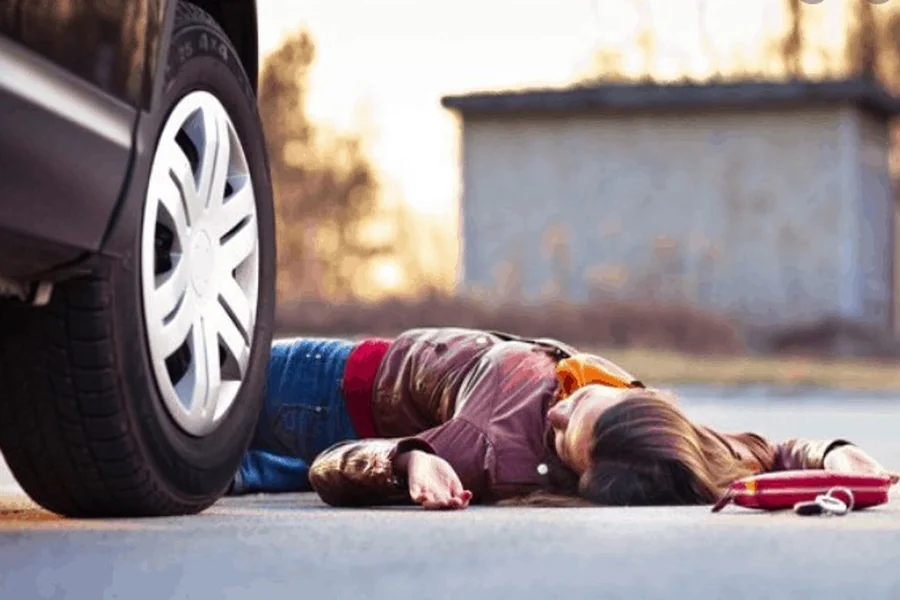
Walking in Las Vegas should feel safe. Yet one careless driver can change your life in a few seconds. If a car hits you while you walk, you face pain, medical bills, time off work, and pressure from insurance companies. You might feel confused about your rights and what to do next. This guide explains what you need to know about pedestrian accident claims in clear steps. You learn how fault works in Nevada, what evidence matters, and how insurance companies try to limit payouts. You also see why quick medical care and careful records protect you. Finally, you learn when to call an injuryfirm or other legal help so you do not stand alone. You deserve honest answers, fair treatment, and a path forward after a crash.
Step One: Focus On Safety And Medical Care
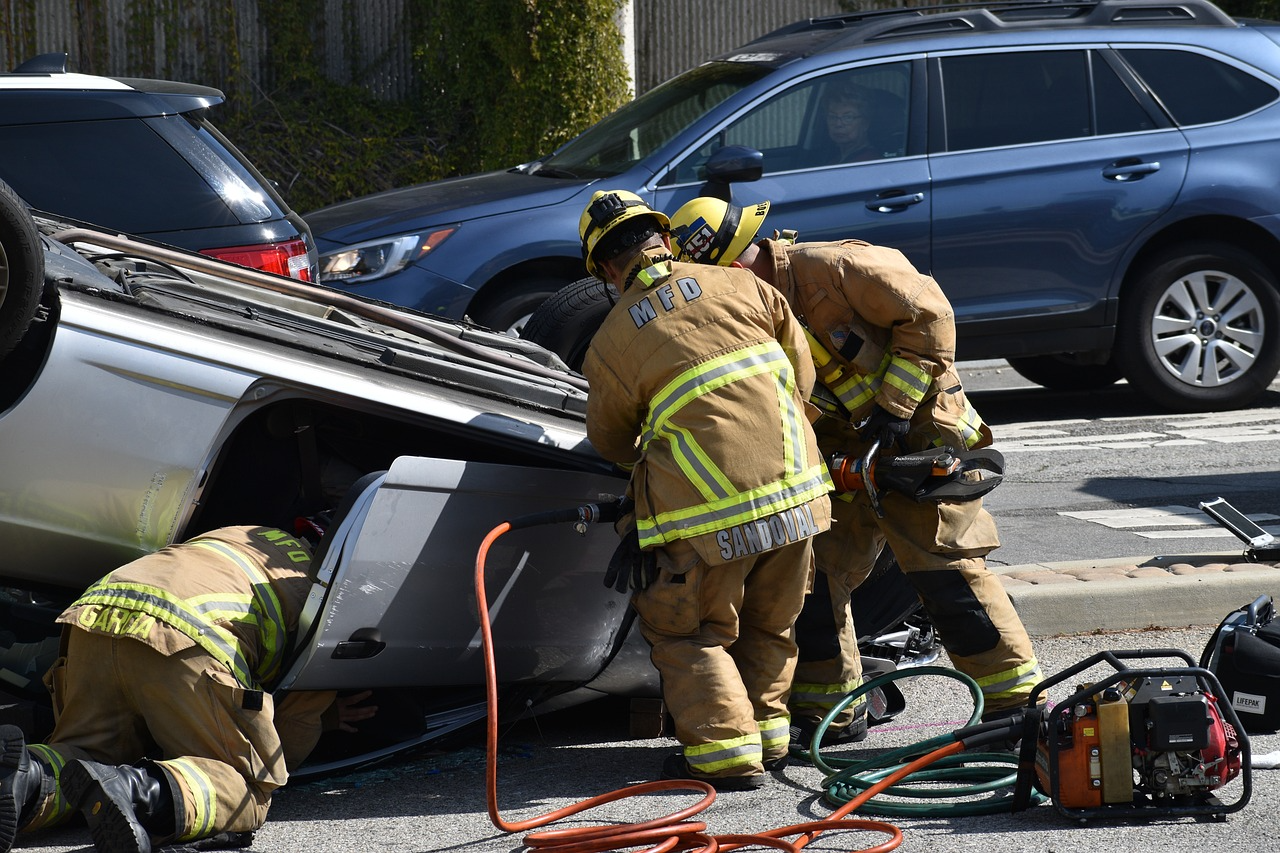
Right after a crash, your body and mind are in shock. You might feel scared, angry, or numb. You might also feel pressure to “walk it off” and go home. Do not do that.
- Call 911 or ask someone to call.
- Move out of traffic if you can do so without more harm.
- Accept medical help at the scene.
Next, get checked by a doctor the same day if you can. Some injuries hide at first. The Centers for Disease Control and Prevention explains that crashes often cause head, chest, and leg harm that can show up later. You can read more about pedestrian injuries at the CDC site here https://www.cdc.gov/transportationsafety/pedestrian_safety/index.html.
Prompt care protects your health. It also creates a clear record that links your injuries to the crash.
Step Two: Call The Police And Document The Scene
You need proof. The police report is a key part of that. In Las Vegas, call law enforcement so an officer can record what happened.
While you wait, you or a trusted person can:
- Take photos of the street, crosswalk, traffic lights, and your injuries.
- Take photos of the car, license plate, and any skid marks.
- Ask witnesses for names and contact details.
Then ask how to get a copy of the police report. That report often shows driver statements, witness comments, and early thoughts on fault.
How Fault Works In Nevada
Nevada uses a rule called “modified comparative negligence.” The words sound cold. The rule is simple. More than one person can share fault for a crash. Your share of fault can reduce your money award.
Key points for you:
- If you are 50 percent or less at fault, you can still recover money.
- If you are more than 50 percent at fault, you usually cannot recover money.
For example, if a jury finds you 20 percent at fault because you crossed a few seconds late, and your losses are 100,000 dollars, you could receive 80,000 dollars.
Common Causes Of Pedestrian Crashes In Las Vegas
Las Vegas has busy roads, tourists, and bright lights that pull eyes away from the street. Crashes often involve:
- Speeding on wide roads.
- Drivers using phones or screens.
- Drivers who do not yield in crosswalks.
- Nighttime driving with poor visibility.
- Drivers impaired by alcohol or drugs.
The Nevada Department of Transportation gives data on these risks and safe walking tips. You can see state safety guidance here https://www.dot.nv.gov/safety/pedestrian-bicycle.
What You Can Claim After A Pedestrian Crash
A claim is a request for money to make up for harm. You can seek money for three main types of loss.
| Type of Loss | Examples | Proof You Can Use
|
|---|---|---|
| Medical costs | ER visits, hospital stays, surgery, rehab, follow up care, medicine | Bills, receipts, treatment notes, pharmacy records |
| Lost income | Missed work days, missed tips, missed overtime, lost future earnings | Pay stubs, tax returns, employer letters, work schedules |
| Pain and life impact | Physical pain, sleep loss, fear of crossing streets, loss of hobbies or family time | Personal journal, family statements, therapist notes, photos of daily limits |
You might also claim help for wheelchairs, home changes, or ongoing care if your injuries are long term.
Key Deadlines For Nevada Pedestrian Claims
Time limits matter. Nevada law sets a deadline to file a lawsuit for most injury cases.
- For most injury claims, you have 2 years from the date of the crash.
- For property damage only, you may have a longer time.
- If a public agency is involved, special notice rules may apply.
Do not wait. Evidence fades. Camera footage is erased. Witnesses move away or forget. Early action gives you more control.
How Insurance Companies Respond
Insurance companies protect their money. They often:
- Call you fast and ask for a recorded statement.
- Use your words to downplay your pain or shift blame.
- Offer a quick low payment before you know the full cost.
- Question your medical care or say you waited too long.
You do not need to accept the first offer. You also do not need to agree to a recorded statement without legal help. You have the right to pause, get advice, and respond in writing.
Steps You Can Take To Protect Your Claim
You cannot control the crash. You can control your response. Three strong steps are:
- Keep all records. Store bills, letters, and emails in one folder.
- Write a short journal of pain levels, sleep problems, missed events, and mood.
- Follow your doctor’s treatment plan and attend all visits.
These steps show that you take your recovery seriously. They also give clear proof of how the crash changed your life.
When To Contact Legal Help
You do not need to face a claim alone. You may want to contact an attorney when:
- Your injuries are more than minor cuts or bruises.
- You miss work or school.
- The driver or insurer blames you.
- You feel pushed to sign papers you do not understand.
An attorney can explain your rights, collect records, speak with insurers, and track deadlines. You can reach out to an injury firm or other legal help in Las Vegas for a case review.
Closing Thoughts
A pedestrian crash can shake your sense of safety. You might worry about money, work, and your family’s future. You are not alone. When you seek medical care, gather proof, understand Nevada fault rules, and stand firm with insurers, you protect yourself. You give your claim strength. Most of all, you give yourself a fair chance at healing and a stable next step in Las Vegas.