
Picking the right size for your racing jersey or t-shirt matters a lot more than grabbing your usual size. It affects comfort, movement, speed, and even safety. A good fit can improve aerodynamics, pull sweat away fast, and reduce chafing.
A bad fit can flap, distract you, and rub your skin. So how do you get the right fit? Start by learning how racing apparel sizing works, because it’s very different from everyday clothes. If you’re shopping for specific gear like Lando Norris merchandise, always follow the sizing guide from the seller.
Many riders chase the perfect fit and make a few mistakes along the way. This guide makes the process clear and simple. We’ll cover why fit matters, what affects sizing, how to measure yourself, and how to read size charts and fit types. By the end, you’ll know how to pick racing apparel that feels made for you, so you can focus on the ride instead of a tight seam or loose fabric.
Why Size Matters for Racing Jerseys and T-Shirts
In racing, small details add up. From a carefully tuned engine to balanced handling, everything helps performance. Your clothing plays a part too. A racing jersey isn’t just another shirt; it’s part of your gear and needs to work with your body and the demands of the sport. That’s why size and fit are very important.
When you’re moving fast with full focus, you don’t want fabric flapping or seams rubbing your skin. Correct sizing helps cut drag and keeps you comfortable. It’s not about looks-it’s about feeling good and moving well on track or trail.
Impact of Fit on Performance and Comfort
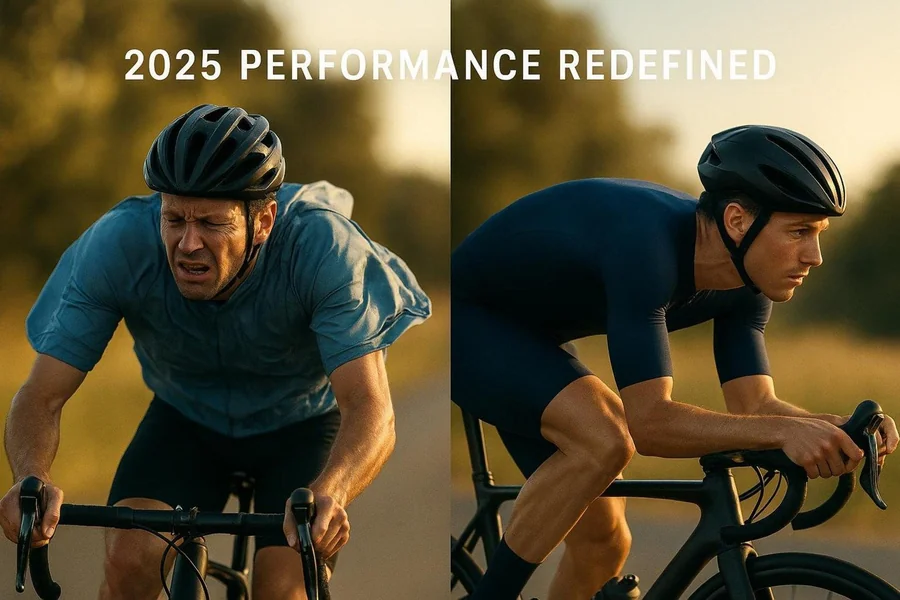
Fit affects speed. A close “race fit” or “aero fit” reduces drag, helping you move through the air more easily. That can save seconds in competition. Brands like Rapha design Pro Team jerseys for high performance, because even small changes in fabric placement can affect speed.
Comfort matters too. Racing creates heat and sweat. A well-fitting jersey with breathable, sweat-wicking fabric (like TeamGear’s Premium Sport Fabric or Standard Dry Fit) pulls moisture off your skin to keep you cooler and drier. This helps with body temperature and reduces tiredness. A jersey that’s too loose won’t wick well and can feel clammy. One that’s too tight can restrict movement and blood flow, causing strain and chafing.
Risks of Wearing the Wrong Size
A jersey that’s too big can flap in the wind, add drag, and distract you. It can also bunch up and irritate your skin, and make a smooth riding position harder to hold. One rider on a forum shared how long jerseys sagged when loaded and rubbed their shorts thin—an easy problem to avoid with the right size, especially when buying from places like Top Racing Shop, where fit guides and quality gear help you choose correctly.
A jersey that’s too small can limit your movement and even your breathing. Tight seams can dig into your skin and cause rashes on long rides. If the fabric is under too much strain, it may tear mid-ride. Getting the balance right is the goal.
Key Factors to Consider Before Choosing Your Size
Before you grab a tape measure, remember that sizing is not the same everywhere. Several factors affect which size will fit you best. Skipping these can lead to returns and a poor experience on the bike.
Think of these points as setup work for a good choice. If you think about them early, you’ll read size charts with more confidence and pick a jersey that suits your body, your sport, and your style.
Different Size Standards Across Brands
One common issue in apparel, especially performance gear, is that there’s no single sizing standard. A “Medium” in one brand can be a “Small” or a “Large” in another. Labels can’t be trusted on their own. Someone with a 36-inch chest might wear XS, S, or M depending on the brand and cut.
Some brands sell “standard fit” with a relaxed cut, while others offer a tighter “race fit.” Even within a brand, lines can differ. TeamGear, which makes jerseys in Canada, says their sizes follow North American standards and match typical sizes, so they suggest picking your usual size. Brands with a European or Asian base may run smaller or use different cuts. Always read the size chart for the exact product.
The Effect of Fabric and Stretch on Sizing
Fabric choice changes how a jersey fits. Materials with more stretch, like polyester blended with elastane, move with your body and can feel comfortable even when snug. Cycology uses 4-way stretch fabric and notes their jerseys are quite fitted, which works well for a close cut.
Less stretchy fabric needs more precise measurements to feel good during movement. For custom orders, TeamGear’s Premium Sport fabric has more stretch, and they suggest sizing up if you’re between sizes with that material. Breathable, quick-drying fabrics can make a closer fit feel better because they keep you dry. Knowing the fabric helps you predict how the jersey will feel over time and at speed.
Gender and Age Considerations: Men’s, Women’s, and Youth Jerseys
Men’s, women’s, and youth cuts differ. Men’s sizes usually have a straighter body shape for broader shoulders. Women’s cuts often taper at the waist and allow for the bust. TeamGear offers Men’s (Adults), Ladies, and Youth sizes for all products, with men’s cuts straight and ladies’ cuts slightly tapered.
Youth sizes are smaller, but kids grow fast. Think about current measurements and growth over the next season. Some brands also offer junior race fits for younger athletes. Ignoring these differences can lead to a poor fit even with correct measurements.
Purpose: Race Day, Training, or Casual Wear
Your use case affects size. A race-day jersey (often “pro fit” or “aero fit”) is tighter to reduce drag. A training or casual jersey (“club fit” or “relaxed fit”) gives more room and comfort.
Rapha’s Pro Team jerseys are made for top performance and fit very close. Club or relaxed fits, like some pieces in the Rapha Core range, trade a bit of aero benefit for comfort-great for long training rides. If you wear a chest protector (common in motocross), measure your chest with the protector on. The type of riding-high intensity, long distance, or easy rides-should guide your choice.
How to Accurately Measure for Racing Jerseys and T-Shirts
Now for the practical part. Good measurements are the base of picking the right size. Without solid numbers, a size chart is guesswork. Use the steps below to get the numbers you need the first time.
Your body changes during the day. Water intake, meals, and workouts can shift measurements slightly. Try to measure under similar conditions each time for consistent results.
Key Body Measurements Needed
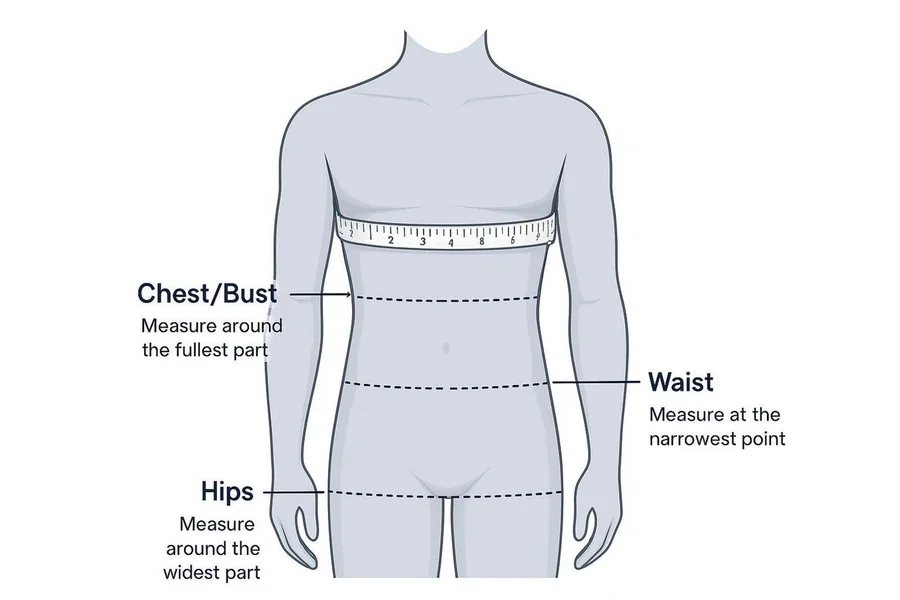
Most jerseys and t-shirts require a few core measurements. The main one is chest circumference. Breathe normally, then measure just under the armholes at the widest part of your chest. CanvasMX suggests picking a slim fit jersey that is about 2-4 inches larger than your chest measurement, and 5-6 inches larger for a standard or looser fit. Your body number guides you to a garment size; it isn’t the garment’s final width.
You may also need waist circumference (especially with tapered cuts) and sometimes hip circumference. For long sleeves, arm length can matter. For women, measure bust at the fullest point. Compare your body numbers with the brand’s size chart.
Tools and Preparation for Proper Measuring
Use a soft, flexible tape measure like a tailor’s tape. A rigid tape won’t wrap well and can give wrong numbers. Keep a pen and paper handy to write everything down.
Wear light clothing or underwear. Stand naturally. If you can, ask someone to help with back and arm measurements so the tape stays level and snug without squeezing.
Step-by-Step Measuring Guide
Follow these steps to get accurate measurements:
- Chest/Bust: Wrap the tape around the fullest part of your chest, just under your armpits. Keep the tape level all the way around and neither tight nor loose. Men can take a normal breath before measuring. Women should measure around the fullest part of the bust.
- Waist: Find your natural waist (usually the narrowest point above your belly button). Wrap the tape snugly without squeezing.
- Hips (if required): Measure around the fullest part of your hips, keeping the tape level.
- Arm Length (for long sleeves): Start at the center back at the base of your neck, go across the shoulder, down to the elbow, then to the wrist bone. Keep your arm slightly bent.
- Torso Length (optional): Measure from the top of your shoulder down to the point where you want the hem to sit.
Tips to Avoid Common Measuring Mistakes
- Breathe normally: Don’t hold your breath for chest measurements.
- Keep the tape level: Make sure it’s parallel to the floor all the way around.
- Don’t overtighten: The tape should be snug without digging into your skin. You should be able to slip a finger under it.
- Repeat each measurement: Take two or three readings and use the most consistent number.
- Re-measure for each brand: Don’t guess based on past purchases. Always check the specific chart.
How to Use Size Charts for Racing Apparel
Once you have your numbers, match them to the brand’s size chart. These charts can look confusing at first with lots of rows and columns, but they’re very helpful once you know what to look for.
Size charts are the brand’s guide for how their garments fit. Learning to read them well will save you time, money, and effort.
Interpreting Size Charts and Fit Guides
Most charts list sizes (XS, S, M, L, XL, etc.) and the body measurements for chest, waist, and hips in inches or centimeters. Some add garment measurements (like armpit-to-armpit width or front/back length), as CutawayUSA does for its men’s standard race cut jerseys.
Find your body numbers on the chart. If your chest is 38 inches, look for the size range that includes 38. Read any notes about the cut like “slim fit” or “relaxed fit.” If the chart lists garment dimensions, compare them to a shirt you already own that fits well. CanvasMX suggests laying a good shirt flat, measuring the width, doubling it, and comparing it to the chart’s chest number. This shows how the garment will sit on your body.
Converting Between Sizing Systems (International, US, EU)
Different regions use different standards. EU sizes can differ from US or UK sizes, and many Asian brands run smaller. Look for conversion notes on the brand’s page.
Most brands provide both inches and centimeters, sometimes with a conversion table. TeamGear says they use North American sizing and that it runs true, which helps. If a chart uses only one unit, use an online converter. Always check whether the chart uses cm or inches.
How to Account for Custom or Team Orders
Group orders need extra care. TeamGear builds custom racing jerseys and offers customized options. They stress accurate measurements for custom pieces and can adjust lengths and other details for a better fit.
For teams, a sample kit with multiple sizes is the safest way to get it right. If you can’t get samples, have everyone measure carefully and use the same chart. TeamGear also notes they don’t charge extra for different sizes (2XL and under) in one order, or for names and numbers, which helps when sizes vary across your group. Clear communication with your supplier helps avoid mistakes.
Choosing the Right Fit for Racing and Team Jerseys
Size is one thing; fit is another. Fit describes the overall cut and how the jersey sits on your body. In racing gear, fit can affect performance and comfort as much as the number on the label. Knowing the types of fits helps you choose what suits your riding and your preferences.
A good fit balances function and comfort. What a pro uses may not be best for every rider. Here are the common options.
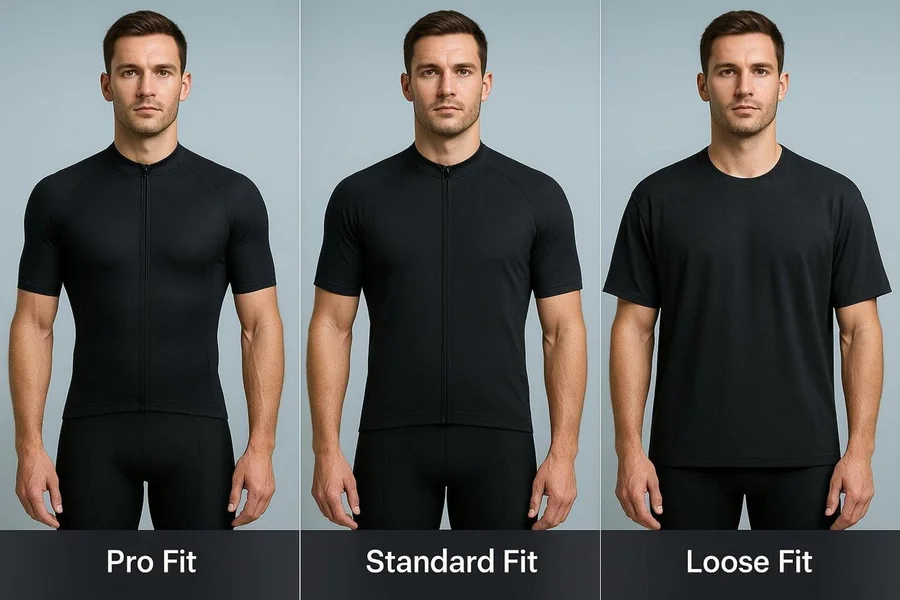
Comparing Pro, Standard, and Loose Fits
- Pro Fit (Race Fit/Aero Fit): The tightest choice for the least drag. This fit hugs the body and keeps extra fabric to a minimum. It often has a shorter front and longer back for a forward riding position. Fabrics are stretchy, light, and wick sweat well. Rapha Pro Team jerseys are a good example. Great for racing, but can feel snug if you’re not used to it.
- Standard Fit (Club Fit/Regular Fit): A middle ground between pro and relaxed. It has a closer shape than casual wear but with more room than a race fit. It reduces flapping and manages moisture well without feeling tight. Many serious riders pick this for training and long rides. In some brands (like Louis Garneau), “standard” in one line may equal “race” in another, so read the chart.
- Loose Fit (Relaxed Fit): Built for comfort and freedom of movement. It wears like a regular t-shirt with more airflow but less aero benefit. Often chosen for casual rides, hot days, touring, or off-road use. The Bontrager Solstice is one relaxed option; some riders find an XL in this style looser than an XXL in a Pearl Izumi race cut. Not ideal for racing, but great for easy miles.
Special Considerations for Sublimation and Custom Designs
For custom designs with full-body sublimation, fit affects how the artwork looks. Sublimation dyes the design into the fabric with heat and pressure, so colors stay bright and don’t crack. It doesn’t change stretch or breathability.
On a pro fit, designs stretch more across the body, which may require careful placement. A looser fit hangs more naturally. Since custom pieces usually can’t be returned (TeamGear states this for custom printed items), getting the fit right from the start is very important. Use size charts, try a sample if possible, and talk with your provider about how the design will appear on the chosen fit.
Expert Tips for Ordering the Perfect Size Online
Buying online can feel uncertain without trying items on. With a plan and a few smart steps, you can lower the risk of getting the wrong size. The goal is to gather enough info to match what you see on the screen to what arrives at your door.
Use these tips to build confidence and get a jersey that fits well.
Requesting Product Samples or Fabric Swatches
For custom team orders or larger buys, asking for product samples is often the best way to pick the right size. Many companies, including TeamGear, allow sample viewings or can send samples if you cover return shipping. This small cost can prevent big sizing mistakes later.
If full samples aren’t possible, ask for fabric swatches. Knowing how stretchy, thick, or soft the material is will help you choose the right size, especially if you’re between sizes. For example, a high-stretch Premium Sport Fabric may feel better in a closer fit than a stiffer fabric.
Using Customer Reviews and Community Sizing Advice
Customer reviews often mention fit. Look for phrases like “runs small,” “true to size,” or “more relaxed.” Many reviewers share height, weight, and the size they ordered, which helps you compare.
Rider forums are useful too. Experienced racers often post which brands run large or small. One user on BikeForums.net noted that cycling jersey sizes vary widely and labels can’t be trusted across brands. These stories can guide your choices.
Questions to Ask Before Placing a Custom Order
For custom team jerseys, clear questions help avoid errors:
- Do you have the exact size chart for this model? Different styles can vary.
- Do these run true to size, or should we size up/down? TeamGear says their sizes follow North American standards and match common sizing.
- What is the production and shipping time? TeamGear lists production at about 4 weeks, then shipping.
- What are the return/exchange rules for custom items? Many custom pieces can’t be canceled or returned.
- Can you adjust lengths or make small changes? Some suppliers, like TeamGear, offer length adjustments.
- What is the fabric and how much stretch does it have? Material affects fit.
- Any special measuring tips for this jersey? Some cuts need extra notes.
- Can we see a digital mockup on different sizes? This helps you picture the design on various bodies.
Asking these upfront helps prevent mix-ups and leads to a better result.
Addressing Common Sizing Problems and FAQs
Even with careful measurements and size charts, issues can happen. Here are common questions and practical answers to help you handle them.
What to Do If Your Measurements Fall Between Sizes
If you land between sizes, your choice depends on the fit you want and fabric stretch. For a snug race fit with stretchy material, you might choose the smaller size. If you want more comfort or the fabric doesn’t stretch much, go up.
TeamGear advises sizing up if you’re between sizes or choosing their stretchier Premium Sport fabric. This matches general advice: a slightly bigger jersey is easier to live with and can be adjusted, while a too-small jersey often doesn’t work.
Should You Size Up or Down for Racing Jerseys?
It depends on your target fit and the jersey design. For race-fit jerseys, some riders size down for a second-skin feel if the fabric is very stretchy. Most people do well sticking to the chart for a close fit. For club or relaxed fits, size up if you want more room. If you want a sharper look in a club fit and are between sizes, the smaller one might work, but watch for tight spots.
Think about base layers or armor. If you wear a chest protector, measure your chest with it on, as CanvasMX suggests. If returns are easy, ordering two sizes and sending one back is a safe plan.
Do Racing Jerseys Shrink After Washing?
Most modern jerseys made from synthetic performance fabrics (like the 100% polyester TeamGear uses for many custom items) don’t shrink much. Sublimation and heat-setting during production help keep sizing stable. TeamGear says their fabrics aren’t prone to shrinkage because of heat treatment in printing.
Bad washing habits can still cause problems. High dryer heat can harm fibers or elasticity over time. Follow care labels. Wash by hand or on a gentle cycle with cold water, then hang dry. TeamGear recommends hang drying, but a low-heat dryer can be used for quicker drying.
Can You Exchange or Return a Jersey That Doesn’t Fit?
For non-custom items, most online stores allow returns or exchanges within a set window if the item is unworn, unwashed, and tagged. Always check the store’s policy before buying.
Custom-printed items are different. TeamGear states they don’t accept cancellations or returns for custom pieces since each one is made to order. If you think a sizing error happened during production, companies may ask for proof, like a photo of a tape measure on the garment.
How to Care for Racing Jerseys to Maintain Fit
Good care helps your jersey keep its shape, stretch, and color. Skipping care steps can lead to stretching, shrinking, fiber damage, and fading.
Follow these common care tips (also shared by brands like TeamGear):
- Read the label: Follow the specific care tag.
- Close zippers and buttons: This prevents snags in the wash.
- Turn inside out: Protects prints and the fabric surface.
- Gentle cycle, cold water: Avoid washing with items that have Velcro or rough edges.
- Use mild detergent: Skip bleach and fabric softeners, which can harm performance fabrics.
- Hang dry: Helps keep shape and avoids heat damage. TeamGear recommends this.
- Low heat dryer (if needed): Use the lowest setting and remove as soon as dry.
- Do not iron: High heat can melt synthetic fibers and damage sublimation prints.
Following these steps helps your jersey keep its fit and perform well season after season.