

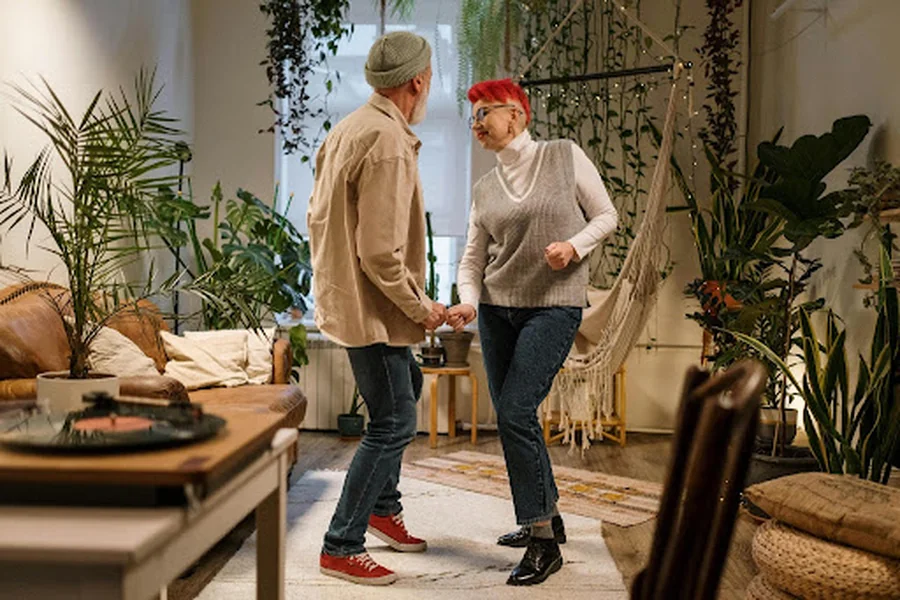
Human connection remains essential at every stage of life, but it becomes especially meaningful as individuals enter their later years. Social bonds, shared experiences, and supportive relationships help older adults maintain emotional balance, cognitive strength, and a deeper sense of purpose. For many, the transition into retirement or a new living environment can bring both opportunities and challenges. Understanding how to build meaningful connections later in life can help older adults feel more engaged, appreciated, and fulfilled. When connection becomes a priority, daily life becomes richer, more joyful, and more grounded.
Why Connection Matters More as We Age
As individuals age, their social circles may naturally change. Children grow older and move away, lifelong friends become more difficult to visit, and career based relationships shift as people retire. These transitions can lead to periods of isolation if new connections are not actively nurtured. Staying socially engaged helps older adults maintain a sense of identity and belonging.
Meaningful connection provides emotional nourishment. Conversations, shared laughter, and simple companionship help reduce stress and increase happiness. Community environments like Summit Place understand the importance of social engagement and create opportunities for older adults to interact comfortably and authentically. Strong social ties help build emotional resilience, making it easier to navigate life’s changes with confidence.
Creating a Sense of Belonging Through Community
A strong sense of belonging can greatly enhance quality of life. When older adults feel part of a community, they experience more joy, motivation, and peace of mind. Belonging means having people to talk to, spend time with, and rely on for encouragement.
Living environments that prioritize connection create shared spaces where residents can enjoy conversation, participate in group activities, and explore hobbies together. Dining rooms, lounges, outdoor courtyards, and activity centers help foster interaction and make it easier for relationships to form naturally. These shared experiences remind residents that they are part of something larger than themselves, strengthening emotional wellness.
Strengthening Emotional Wellness Through Shared Experiences
Shared experiences form the foundation of meaningful relationships. Activities such as games, fitness classes, discussion groups, music sessions, or art workshops provide opportunities for older adults to connect both socially and emotionally. These experiences help individuals bond over common interests, memories, or goals.
Participating in group activities also boosts emotional wellness by reducing feelings of loneliness. When older adults feel understood and valued by those around them, their confidence grows. They become more willing to try new things, meet new people, and express themselves openly. Emotional well being flourishes in environments where encouragement and companionship are readily available.
Supporting Cognitive Health Through Connection
Social engagement plays a vital role in cognitive wellness. Conversations stimulate memory, reasoning, and communication skills. Even simple interactions challenge the brain to remain active and flexible. In environments that encourage consistent social connection, older adults benefit from a cognitive workout without even realizing it.
Participating in group discussions, book clubs, or memory friendly programs helps stimulate the mind and strengthen cognitive function. These interactions also provide opportunities for learning, curiosity, and personal growth. Cognitive wellness and social connection work hand in hand, making social engagement essential for long term brain health.
Building Trust and Friendship Through Consistent Interaction
Trust is built through consistency. When older adults engage regularly with peers, caregivers, or neighbors, they begin to form deeper bonds. These relationships offer comfort, reassurance, and a sense of stability.
Friendship is especially important in later life because it replaces the companionship that may have been lost over time. New friendships often become a source of emotional support, helping older adults feel less alone during challenging moments.
How Supportive Environments Help Connections Flourish
Supportive living environments make connection easier by eliminating the barriers that often limit social interaction. Transportation challenges, physical limitations, or lack of opportunities can make it difficult for older adults to remain socially active. Community centered environments remove these obstacles by offering accessible gathering spaces, organized activities, and staff who encourage engagement.
Supportive environments help residents feel confident stepping into new experiences. Whether attending a fitness class for the first time or joining a social event, older adults benefit from the reassurance of a friendly, welcoming setting.
Conclusion
Building meaningful connections in later stages of life is essential for emotional, cognitive, and social well being. Through shared experiences, daily interactions, and supportive environments, older adults can develop lasting relationships that enrich their lives. Communities that prioritize engagement create spaces where individuals feel valued, understood, and deeply connected. When older adults experience belonging, purpose, and friendship, they enjoy a more fulfilling and joyful aging journey.