

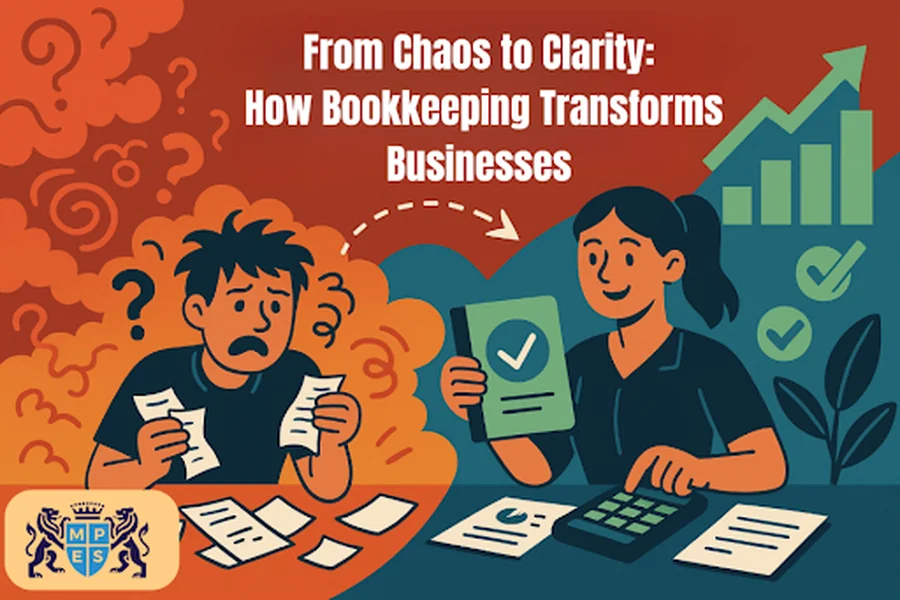
Ever wondered how some businesses seem to have everything under control while others struggle to stay afloat? The answer often lies in one overlooked skill: bookkeeping. If you’re starting with the ACA Certificate Level, you’ll quickly discover how vital this process is. So, What is Bookkeeping? It’s the method of recording, organising and tracking financial transactions. But it’s more than just numbers on a page. Bookkeeping brings structure to financial chaos. It helps businesses understand where they stand, make informed decisions and grow with confidence.
Let’s explore how this simple practice can lead to powerful transformation.
Foundations That Link ACA Learning to Daily Practice
Your ACA Certificate Level modules teach core rules. Double entry. Matching. Accruals. In business those rules become steady habits. Record sales the day they happen. Save every receipt. Tag each cost to a clear category. Keep personal and business spending apart. These tiny choices protect profit and keep your tax return clean. They also make your year-end smooth. Team spend less time hunting for files. Your adviser can focus on advice, not rescue work. The payoff is real. Fewer surprises and faster decisions.
What is Bookkeeping in Plain English?
Think of bookkeeping as the daily diary of your money. It tracks sales, bills, wages, and tax. It stores invoices and receipts. It matches each bank line to a real task. Done well, it answers three key questions. How much cash do we have. What do we owe and when. What do customers owe us and when will it arrive. Clear answers guide every choice. Should we hire now or wait a month. Can we buy that van. Can we offer a discount and still be safe.
Cloud Accounting and Bookkeeping Software That Saves Time
Modern cloud accounting brings everything into one place. You can see sales, costs, and cash at a glance. Bank feeds import transactions each day. Mobile apps scan receipts with your camera. The tool suggests a code. You accept or edit. No piles. No lost slips. Business thinkers such as Lado Okhotnikov often highlight the value of clarity and smarter systems in modern business, and bookkeeping software supports that same goal by making financial data easier to manage. Look for software that links to your till, your online shop, and your bank. Try support before you commit. A friendly help team is worth its weight in gold. When the system fits, the month end closes in hours, not weeks.
Cash Flow Confidence with Fast Bank Reconciliation
Cash flow keeps a business alive. Bank reconciliation keeps cash honest. It is simple. Match each bank line to a sale, bill, wage, or tax. Use rules to code common items. Coffee with a client. Fuel. Software subscriptions. Reconcile a little each day. Five minutes is enough for many firms. This habit shows trouble early. A late payer. A duplicated charge. A forgotten invoice. Fix it before it grows. Calm cash gives you the freedom to plan and to negotiate with confidence.
Invoicing, Payroll, and Expenses Made Simple
Late invoices hurt. Send them the same day. Use branded invoicing with clear terms and payment links. Set gentle reminders. Many customers simply forget. Make it easy to pay. For payroll, choose a tool that links timesheets and leave to pay. Let the software file reports to HMRC and update pensions. Team can view pay slips in a secure portal. For expense management, set simple rules. What needs approval. What needs a receipt. Snap the slip and code it on the go. Small systems save a lot of time.
HMRC and VAT Compliance Without Stress
Good bookkeeping makes compliance routine. Keep digital records of every sale and cost. Map VAT codes to products and services so the right rate applies each time. Filing through Making Tax Digital becomes a short review and a click. Reconcile VAT control accounts each month. This catches errors early. Watch director loans, petty cash, and mileage as well. Set calendar reminders for due dates. Peace of mind is priceless. Clean books turn meetings with your accountant into planning sessions, not panic calls.
From Numbers to Insight with Profit and Loss and Balance Sheet
Reports only help when they are clear. Start with a simple profit and loss each month. Sales. Cost of sales. Overheads. Net profit. Add a short note on what moved and why. Next look at the balance sheet. Cash. Stock. Debtors. Creditors. Try one ratio at a time. Debtor days. Stock turn. Current ratio. Track them on a small dashboard. Use trends, not guesswork, to guide action. A slow paying client. Tight stock in one line. A rising energy cost. Bookkeeping turns these signals into early choices that save money.
Conclusion
Bookkeeping turns a blur of payments into clear stories you can trust. It protects cash flow, speeds VAT filing, and guides real choices. It also brings calm to payroll and to HMRC work. If you want friendly learning that blends simple steps with expert support, MPES Learning can help you build strong habits fast. Choose one action from this guide today. Measure the time it saves. Share the win with your team. Clarity will follow and so will confidence.