As energy-efficient living takes center stage for many homeowners, the heating industry is swiftly evolving to keep pace. Driven by the quest to reduce energy consumption and lower household utility bills, manufacturers are rolling out next-generation systems that bring both advanced comfort and sustainability to today’s homes. For those considering upgrades, new high-efficiency furnaces in Burlington are emerging as smart investments, offering an appealing blend of reliability, savings, and eco-conscious operation.
Modern heating solutions not only replace outdated systems but also meet strict environmental standards and incorporate advanced technologies. This guide discusses the shift toward high-efficiency furnaces, emphasizing their role in reducing winter energy costs while improving comfort. The surge in adoption is driven by new national standards and a consumer focus on sustainability, prompting the market to offer tailored solutions that maximize fuel efficiency and minimize energy waste.
DOE’s New Efficiency Standards
In 2023, the U.S. Department of Energy finalized a landmark update to residential gas furnace requirements. By late 2028, all new non-weatherized gas furnaces and those intended for mobile homes must demonstrate an Annual Fuel Utilization Efficiency (AFUE) of at least 95 percent. This is a substantial leap from the previous 80 percent threshold, and industry analysts project that this step will save consumers roughly $25 billion across three decades. Even more impactful is the projected decrease in greenhouse gas emissions from residential heating, which will contribute to national and global environmental targets.
Innovations from Leading Manufacturers
The latest standards are encouraging furnace manufacturers to develop advanced systems that combine superior efficiency with enhanced safety and convenience. Several notable innovations include:
- Lennox SLP99V Gas Furnace: With an unmatched efficiency rating of up to 99 percent, this furnace features an integrated Refrigerant Detection System (RDS) for easier and safer installation.
- Allied Air Enterprises 97G2E and 97G2V: Designed for simple installation and maintenance, these two-stage furnaces operate at a remarkable 97 percent AFUE, qualifying for many federal tax incentives.
- Thermo Pride OHC95 Furnace: As a highly efficient condensing oil furnace, this model achieves a 95 percent AFUE. Developed in partnership with the National Oilheat Research Alliance, it represents a leap forward in sustainable oil heat.
Benefits for Homeowners
Switching to a high-efficiency furnace offers substantial advantages for households:
- Lower Energy Bills: With higher AFUE ratings, these furnaces use less fuel, directly reducing monthly heating costs and long-term spending.
- Positive Environmental Footprint: Emitting fewer polluting byproducts, high-efficiency furnaces contribute to cleaner air and a healthier planet.
- Tax Credits and Rebates: Many of the most efficient models qualify for valuable government incentives, making upgrades more affordable for families.
Installation and Maintenance Considerations
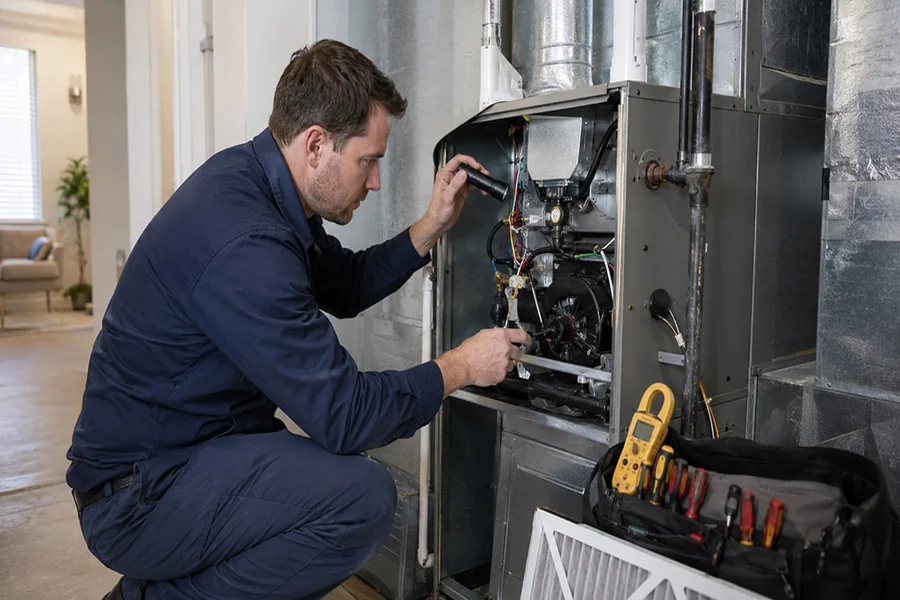
Homeowners should prioritize professional system installation to ensure each furnace delivers on its efficiency promise. Qualified technicians verify that all components are properly set up and running at optimal performance, while also addressing system safety and compliance factors. Ongoing maintenance, including annual inspections and cleaning, is essential for preserving high AFUE ratings and prolonging system life.
Environmental Impact
The migration toward high-efficiency furnace systems supports wider climate and resource goals. Efficient units burn fuel more effectively, which means less pollution and fewer greenhouse gas emissions. Over time, this shift can help communities meet their sustainability obligations and protect future generations from the worst impacts of climate change. Resource conservation is another major benefit, as reduced energy consumption diminishes the strain on natural reserves.
Future Trends in Furnace Technology
The heating industry’s innovation pipeline is robust, with several trends on the horizon that will transform how homes stay comfortable in the years ahead:
- Smart Home Integration: New furnaces increasingly connect with smart thermostats and home automation platforms, enabling remote monitoring, scheduling, and adaptive efficiency adjustments.
- Hybrid Heating Approaches: Many manufacturers are introducing hybrid systems that combine the strengths of traditional furnaces and electric heat pumps, delivering peak efficiency throughout the heating season.
- Built-In Diagnostics: Integrated sensors and self-diagnosing controls empower homeowners and service professionals to address minor issues early, minimizing the risk of major failures and unplanned downtime.
Conclusion
As high-efficiency furnaces become standard, homeowners have a unique opportunity to boost comfort, trim expenses, and support long-term environmental goals. Staying informed about the latest developments, regulatory shifts, and product innovations positions households to make smart, sustainable heating choices for the future.