
Energy supports almost every part of modern life. Homes need electricity for lighting and appliances. Offices depend on power for daily work. Industries require energy to keep production moving. As energy use grows, the way power is produced has become a serious concern.
This is where sustainable energy becomes important. It focuses on meeting present energy needs without harming the ability of future generations to meet theirs. Its objective is to balance development with care for the environment. Instead of relying solely on limited fuel sources, it encourages cleaner, longer-lasting alternatives.
What Sustainable Energy Really Means
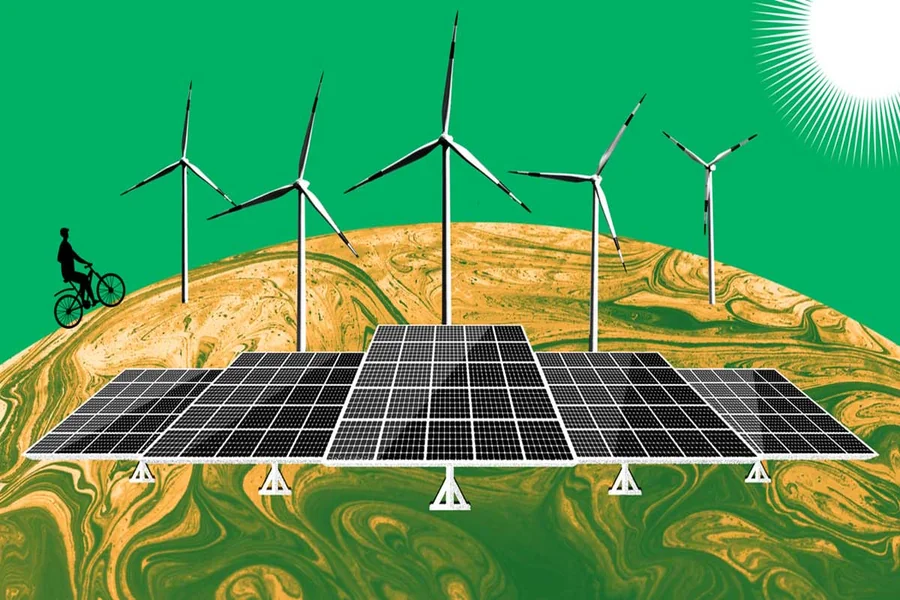
Sustainable or green energy comes from naturally replenishable sources that have a lower impact on the environment. These include solar, wind, hydropower, biomass, and geothermal energy. Unlike fossil fuels, which take millions of years to form and emit high levels of greenhouse gases when burned, these sources are part of natural cycles.
The idea is simple. Energy should be reliable, affordable and available over time without causing lasting damage. This approach looks beyond short-term output and focuses on long-term stability.
Why Green Energy Matters Today
Traditional energy systems have powered development for decades, but they come with costs. Growing emissions, air pollution and climate-related risks have highlighted the limits of fossil fuel dependence. Cities face poor air quality. Weather patterns have become more unpredictable. Natural resources are under pressure.
Moving toward cleaner energy is not just an environmental choice. It is also a practical one. Cleaner systems help minimise health risks, limit environmental damage and create a more resilient energy supply. Over time, they also reduce exposure to fuel price swings and supply disruptions.
Environmental Benefits That Affect Everyday Life
One of the biggest advantages of cleaner energy is reduced pollution. Power generation from renewable sources produces little or no harmful emissions during use. This helps improve air quality and reduce health risks associated with pollution.
Using natural energy sources also reduces damage to land and water. Fuel extraction often disturbs ecosystems. Renewable systems, once installed, require minimal ongoing resource use. This helps preserve natural areas and supports environmental balance.
Economic Value Beyond Saving Money
Green energy supports economic growth in many ways. Clean energy projects create jobs during installation, operation and maintenance. Many of these jobs are local, helping regional economies develop.
Another benefit is stable power costs. Renewable sources are not affected by changes in fuel prices. Once systems are set up, operating expenses remain more predictable. This stability benefits households, businesses and public services alike.
Companies working in renewable energy development, like Hero Future Energies, show how integrated planning and technical expertise deliver reliable clean power.
Expanding Access To Energy
In many regions, energy supply is still limited or irregular. Sustainable solutions help bring electricity to areas that traditional infrastructure may not easily reach.
Smaller energy systems can be designed to suit local needs. These systems can operate independently or alongside existing networks. When paired with storage solutions, they provide power even during low generation periods. This improves reliability and access for communities.
Role Of Technology In Clean Energy Growth
Technology has played a major role in improving renewable systems. Equipment has become more efficient and durable. Power storage solutions now help manage supply and demand more effectively.
Smart monitoring systems track performance and reduce energy loss. Digital controls improve grid stability and help distribute power efficiently. These advances make clean energy systems more dependable and suitable for everyday use.
As technology continues to improve, renewable energy systems will become easier to maintain and more cost-effective.
Challenges That Need Careful Planning
The shift to green energy also brings challenges. Energy supply must remain steady, even when natural conditions change. This requires careful planning and investment.
Different regions need different energy solutions. Solar power works well in some areas, while wind or water-based power suits others. A balanced mix often delivers the best results. Planning, infrastructure upgrades and proper management help overcome these challenges.
Why Sustainable Energy Supports A Greener Future
Energy demand will continue to grow as populations increase and economies expand. Relying only on limited resources is not a long-term solution.
Green energy supports development while reducing harm to the environment. It helps lower pollution, stabilise energy supply and protect natural resources. Over time, this approach supports healthier living conditions and a more secure energy future.
Conclusion
Sustainable energy is not just a concept. It is a practical response to the challenges of modern energy use. By focusing on long-term availability, lower environmental impact and reliable performance, it supports a more balanced future.
As technologies improve and adoption increases, cleaner energy systems will continue to shape how power is produced and used. When planned and implemented thoughtfully, they offer a path toward a greener, more stable and more sustainable world.