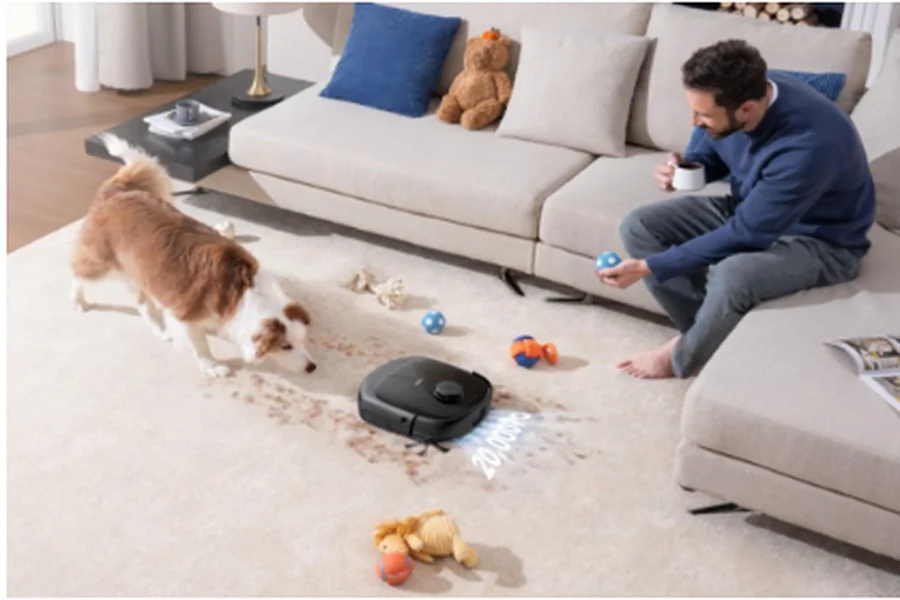
Hardwood floors require both protection and cleanliness, making the purchase of a robot vacuum a significant investment. Unlike carpets, wood surfaces are more susceptible to scratches, dust, and dirt. A good robot vacuum not only cleans efficiently, but it also protects the floor’s finish. Buyers should evaluate suction strength, brush type, and navigation precision to avoid damage. Battery life and cleaning modes play an important part in delivering uninterrupted coverage. This article covers the most critical characteristics and practical advice to help homeowners choose a robot vacuum that combines performance, safety, and value for hardwood floors.
What Features Matter Most for Hardwood Floors?
Suction Power and Brush Type
Hardwood surfaces demand a strong suction but a delicate touch. A robot vacuum should remove dust and small particles without crushing them against the floor. Soft bristle or rubber rollers work best since stiff bristles can produce scratches. Direct suction devices without typical brushes are also suitable for delicate wood. Adjustable suction settings assist in balancing energy consumption and cleaning force, especially when transitioning from wood to carpets. Choosing the correct brush system lowers finish wear and catches dirt effectively. By prioritizing a hardwood-specific design, homeowners can protect their floors while still getting pristine results from each planned cleaning cycle.
Sensors and Navigation for Scratch Prevention
Sensors are crucial for preventing damage to hardwood floors. Advanced navigation systems identify obstructions, edges, and dirt concentrations, resulting in efficient coverage with few accidents. Anti-collision sensors limit contact with furniture and baseboards, reducing scuffs and scratches. Some devices have floor recognition technology, which automatically changes suction as surfaces change. Smooth wheel designs also help to avoid dragging sand over the floor, which is a major cause of scratches. Mapping characteristics provide regular, predictable cleaning pathways rather than random motions. Together, these technologies allow a robot vacuum to operate intelligently, cleaning completely while maintaining the wood’s surface and prolonging its natural luster.
Battery Life and Cleaning Modes
Battery life has a direct influence on how successfully a robot vacuum can clean hardwood floors, particularly in bigger settings. A longer lifespan enables thorough cleaning without regular recharging, while automated docking assures ease. Cleaning modes increase versatility, ranging from silent operation for light dusting to full suction for deep cleaning. Edge or spot modes target problem areas while keeping corners and high-traffic areas clean. Some models allow for planned routines, allowing homeowners to enjoy constant care without having to put in extra work every day. Choosing a vacuum with a suitable runtime and flexible modes ensures consistent performance, allowing you to customize cleaning power to your home’s specific flooring and lifestyle demands.
How to Choose the Right Robot Vacuum for Your Home?
Room Size and Floor Layout
The size and architecture of a home decide which robot vacuum is most effective. Compact devices with shorter runtimes may typically give adequate coverage in smaller dwellings. For larger homes, look for longer battery life and sophisticated mapping to avoid missed locations. Open layouts benefit from fast navigation algorithms that cover large areas rapidly, but multi-room layouts necessitate strong memory capabilities to begin cleaning where it stopped. Consider the thresholds between rooms, since some models suffer from transitions. Matching the vacuum’s capabilities to the structure of the home provides constant, thorough cleaning while avoiding aggravation caused by partial cycles or frequent recharge interruptions during cleaning routines.
Noise Levels and Maintenance Needs
Noise can disrupt daily living, particularly in households where people work or relax while the vacuum runs. Quieter models assist in creating a pleasant environment while providing good cleaning. Aside from loudness, proper maintenance is essential. Hardwood-friendly vacuums sometimes feature brushless suction or soft rollers, which require less frequent replacement and lessen the danger of scratches. Washable filters and easy-to-remove dustbins make maintenance a breeze, ensuring peak performance with little effort. Regular maintenance also extends the machine’s life and protects the flooring from trapped material. By selecting a model with low noise and reasonable maintenance needs, homeowners may enjoy stress-free, regular hardwood cleaning.
Price vs. Value Considerations
Price frequently influences purchase decisions, but genuine value resides in combining cost with performance and durability. Cheaper robot vacuums may lack navigation precision, protective brushes, or powerful suction, resulting in poor cleaning and even floor damage. Mid-range solutions often provide the optimum balance of necessary functionality, such as mapping, several cleaning modes, and dependable sensors. Premium models justify their increased cost with clever integration, longer runtimes, and superior hardwood protection. Buyers should consider the long-term benefits of lower maintenance and floor preservation. Investing in the proper blend of price and quality offers a vacuum that provides long-lasting performance with no extra sacrifices.
Conclusion
Choosing the best robot vacuum for hardwood floors necessitates careful evaluation of features that balance efficiency and safety. Suction strength, brush design, and navigation systems have a direct impact on cleaning effectiveness while preventing scratches. Battery life, cleaning modes, and mapping features all influence convenience and coverage in houses of varying sizes. Evaluating noise levels, maintenance requirements, and overall value ensures that a model meets both lifestyle and budget. Hardwood floors are a considerable investment, and selecting the correct robot vacuum helps to preserve their beauty and longevity. Pairing the right device with proper knowledge of how to clean hardwood floors ensures polished surfaces and long-lasting convenience.