Irregular periods are a common concern that can affect women at different stages of life. While menstrual cycles can naturally vary, periods that frequently occur earlier or later than expected, become unusually heavy or light, last longer than usual or are missed altogether may indicate an underlying issue. Changes in menstrual timing, flow or duration can sometimes be linked to hormonal fluctuations, stress, lifestyle factors or medical conditions and may warrant further assessment if they persist.
Consulting a gynae Singapore can help identify potential causes and determine whether further evaluation or treatment is appropriate. For women looking for a gynae in Singapore, a consultation provides an opportunity to discuss menstrual changes and receive care based on their individual health needs.
What Causes Irregular Periods?
Irregular periods can have many possible causes, and the underlying reason may differ from one woman to another. Hormonal fluctuations are a common factor, particularly during puberty, after pregnancy and during the transition towards menopause. Stress, significant weight changes, intense exercise and changes in daily routines may also affect the menstrual cycle.
Certain medical conditions, including polycystic ovary syndrome (PCOS) and thyroid disorders, can also interfere with regular ovulation and menstruation. Some medications and hormonal contraceptives may affect bleeding patterns as well.
When Should You See A Gynae Singapore For Irregular Periods?
Occasional changes in your menstrual cycle may not necessarily be a cause for concern. However, you may wish to consult a gynae if you experience:
- Frequently unpredictable periods – Your periods consistently arrive much earlier or later than expected.
- Missed periods – You regularly miss periods without an obvious explanation, such as pregnancy.
- Unusually heavy bleeding – You need to change sanitary products very frequently or experience bleeding that interferes with your daily activities.
- Prolonged periods – Menstrual bleeding continues for longer than your usual duration.
- Bleeding between periods – Unexpected bleeding occurs outside your normal menstrual cycle.
- Bleeding after sexual intercourse – You notice bleeding following intercourse that is not part of your usual period.
- Significant menstrual pain – Period pain becomes severe, persistent or noticeably different from previous cycles.
- Sudden changes in your usual cycle – Your menstrual pattern changes noticeably without an apparent reason.
A consultation can help determine whether these changes are related to hormonal fluctuations, lifestyle factors or an underlying condition that may require further assessment.
What Happens During A Gynae Consultation?
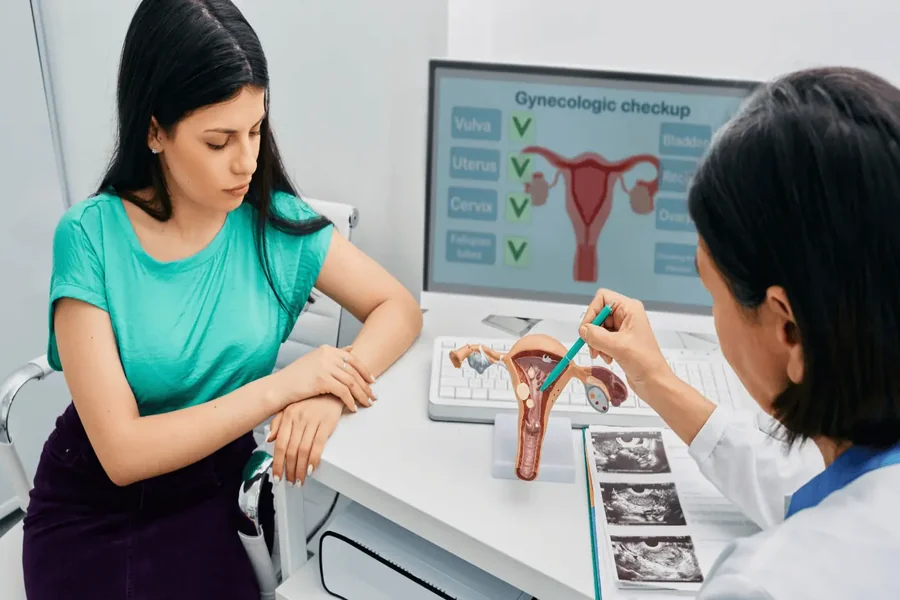
During a consultation, a gynae will typically ask about your menstrual cycle, symptoms, medical history and general health. Keeping track of your periods beforehand can make it easier to explain any changes in timing, flow or duration. Depending on your symptoms, the consultation may include:
- Menstrual history – Discussing the timing, duration and flow of your periods and any recent changes.
- Symptoms and health history – Reviewing concerns such as pelvic pain, unusual discharge, acne, weight changes or excessive hair growth.
- Pregnancy assessment – A pregnancy test may be recommended if you have missed a period and pregnancy is possible.
- Physical examination – An examination may be considered depending on your symptoms and medical history.
- Blood tests – These may be recommended to assess hormone levels or check for conditions such as thyroid disorders or anaemia.
- Pelvic ultrasound – Imaging may be suggested to examine the uterus and ovaries when there is a reason to investigate structural or reproductive concerns.
A gynae can explain which investigations may be useful and discuss the findings with you before recommending the next steps.
How Are Irregular Periods Managed?
There is no single approach that suits every woman. Depending on the assessment, management may include:
- Lifestyle adjustments – Addressing factors such as significant weight changes, stress, sleep patterns or excessive exercise that may affect menstrual cycles.
- Treating an underlying condition – Conditions such as PCOS or thyroid disorders may require specific treatment to help manage their effects on the menstrual cycle.
- Hormonal treatment – Certain hormonal medications may be considered to regulate bleeding patterns or manage symptoms, depending on your health and individual needs.
- Monitoring your cycle – Keeping a record of your periods can help assess whether your menstrual pattern improves over time.
- Addressing heavy bleeding or pain – If irregular periods are accompanied by heavy bleeding or significant discomfort, additional treatment may be considered to manage these symptoms.
- Fertility-focused care – If irregular periods are affecting ovulation or making it harder to conceive, further assessment and appropriate fertility management may be discussed.
Irregular Periods and Fertility
Irregular periods can sometimes be linked to irregular or infrequent ovulation, which may make it more difficult to predict when conception is most likely. Conditions such as PCOS can affect ovulation and contribute to irregular menstrual cycles.
However, having irregular periods does not necessarily mean that pregnancy is not possible. Depending on your circumstances, this may involve:
- Reviewing your menstrual cycle to identify patterns that may suggest irregular ovulation.
- Assessing for underlying conditions such as PCOS or thyroid disorders.
- Checking hormone levels where appropriate.
- Using ultrasound imaging to assess the uterus and ovaries when indicated.
- Discussing fertility goals and the most appropriate next steps based on your individual situation.
Keeping Track of Your Menstrual Cycle
Keeping a record of your menstrual cycle can help you understand your usual pattern and identify changes that may be worth discussing with a gynae. A period-tracking app, calendar or simple diary can be used to record information such as:
- Period dates – Note the first and last day of each menstrual period.
- Cycle length – Record the number of days between the start of one period and the next.
- Bleeding flow – Note whether your bleeding is light, moderate or heavy and whether this differs from your usual pattern.
- Period symptoms – Record cramps, pelvic pain, headaches, bloating or other symptoms you experience.
- Bleeding between periods – Make a note of any unexpected bleeding outside your usual menstrual cycle.
- Other changes – Record symptoms such as acne, weight changes or increased hair growth if they occur alongside irregular periods.
Bringing this information to your appointment can give your gynae a clearer picture of your menstrual pattern.
Conclusion
Irregular periods can have many possible causes, and understanding the reason behind changes in your menstrual cycle can help guide appropriate care. If irregularity persists or is accompanied by unusual bleeding, pain or other symptoms, a consultation with a gynae can help determine whether further assessment is needed. Changes in your menstrual cycle can be worth discussing with a doctor. Book a call with us at.