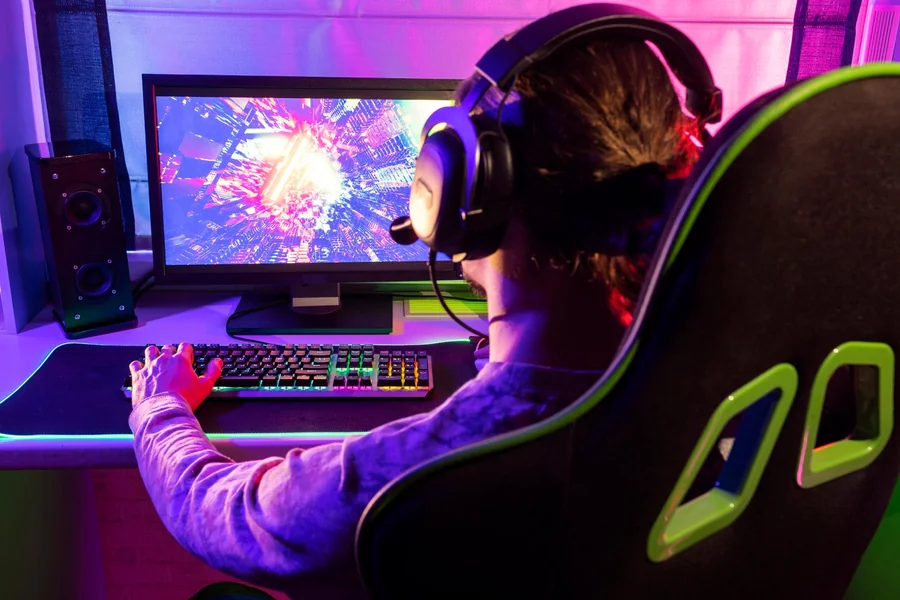

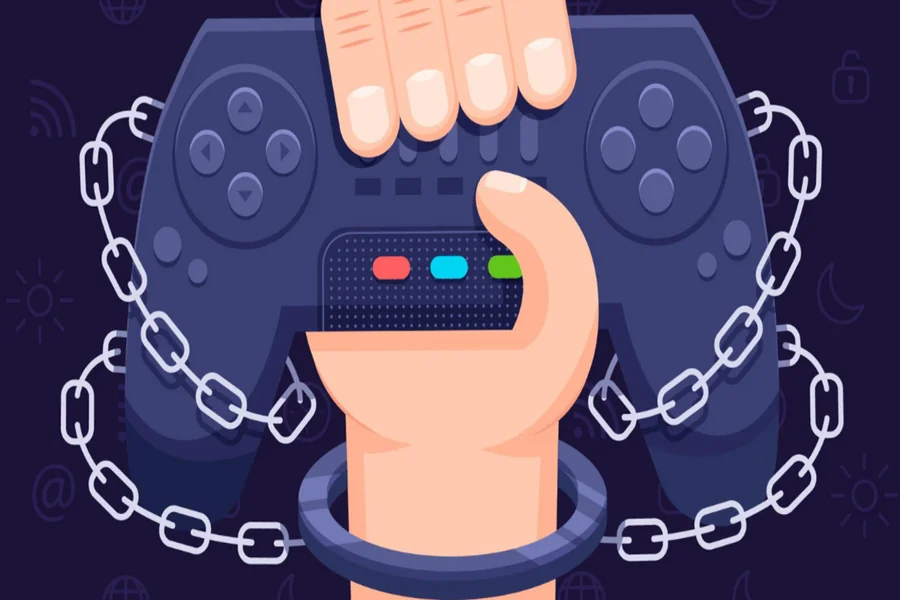
Games are supposed to be fun, rewarding, and entertaining. Games are something that most can play as a hobby or to relax after a day of work. And yet gaming is more than that for some individuals – a hobby, maybe, but a hard one to break. Researchers and scientists have studied the phenomenon in depth, and what they have found is the way that games are essentially able to play with the brain on a very basic level.
Why Games Are So Addictive
Games are meant to be addictive. Reward schedules, achievement, and progress tracking are all used by developers to get you to play more. Your brain gets a dose of dopamine when you achieve something in a game. It is a chemical linked to pleasure and reward.That is fun and gets you to continue playing. It builds a cycle of gameplay that is sometimes difficult to break.
The Accessibility Played by the Role
The most plausible explanation for why gaming addiction is common is because games are easily accessible in the modern world. They can be used to play on computers, consoles, and mobiles, so it can be played conveniently anywhere and everywhere. There are also internet sites that provide unlimited entertainment. For instance, just as situs slot thailand makes it extremely convenient for people to access games with a few clicks, video games in general are more accessible than ever and thus overuse is even more probable.
How Addiction Works in the Brain
Addiction to games is the same cycle process as other behavioral addictions. Reward loop and challenge continuously condition the brain to play again and again. It can then lead to tolerance, whereby gamers must play longer or get more in order to feel satisfied. In others, it can actually lead to withdrawal-like symptoms, irritability, restlessness, or agitation when not gaming.
The Social Side of Gaming
The second reason why a game would be addictive is social. Multiplayer games enable the players to play with their friends or even with other individuals from across the world. It gives them a feeling of belongingness and a sense of community, which is satisfying but at the same time makes the players find it hard not to stop playing. Not being present for a session or a game or the advancement of the team can instill FOMO or fear of missing out.
Warning Signs of Game Addiction
Gaming is not addictive to everybody, but there are some warning signs. If you’re gaming obsessively to the point of neglecting work, school, or relationships, then you’re in trouble. There are several other warning signs, like lying about the amount you game, being dirty all the time, or getting angry when you can’t. These are the signals that gaming has switched from one of interest to one of addiction.
Can Game Addiction Be Managed?
In fact, it is possible. The first step is setting limits, boundaries, and moderation. Parents can restrict the time the children spend on the game. Adults can incorporate gaming into the routine of the day instead of letting it take over. Others have discovered replacing gaming with other hobbies. Such as reading or sports can eliminates the urge. In extreme cases, counseling or group therapy must be employed in an effort to restore the balance.
Looking to the Future
As games continue to develop with virtual reality, interactive universes, and intelligent AI, their potential for addiction may actually increase. But so does awareness. Researchers, game designers, and gamers themselves are joining forces to make gaming healthier. So that it will remain a recreation, not a bad habit.
Last Thoughts
Video game addiction has more to do with the brain’s response to reward, accessibility, and social connection, and less to do with playing too much. If people understand the science behind it, gamers can actually change what they’re doing and play in moderation. Games, by their very nature, are meant to be fun, not something to worry about.