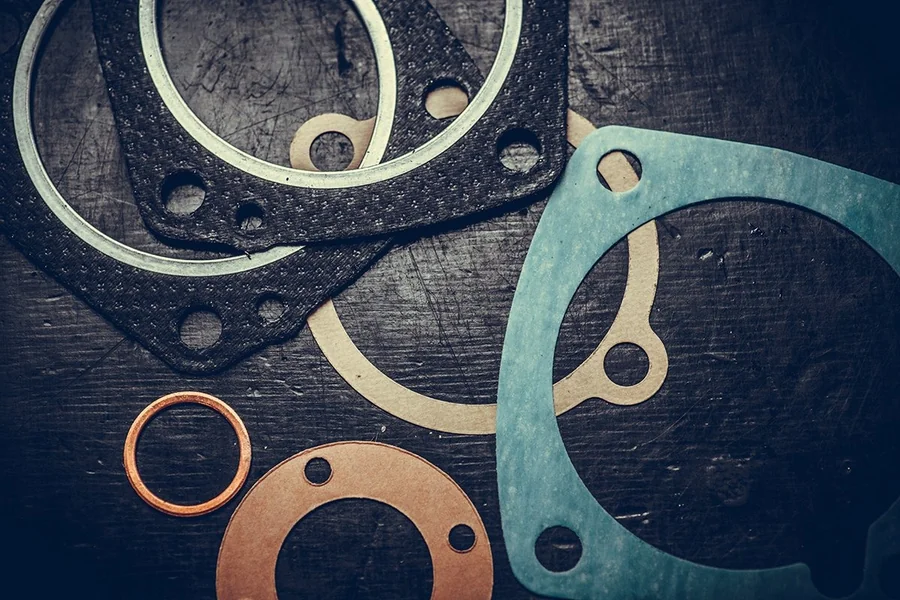
The process of documenting gasket specifications can be viewed as a routine administrative process, however, in the context of industrial functions, this is a vital precautionary measure against avoidable costs, time wastage, and safety hazards. When delicate equipment depends on rigorous performance in sealing, any minor variation of material, thickness, or temperature score can create any failures, which can spread throughout the manufacturing. An effective and standardized documentation process will mean that any gasket currently installed or one that will be changed in many years will still be used in the exact requirements of the system.
Significance of Proper Records
The correct documentation of gaskets enables personnel to make the correct choice regarding maintenance, replacement, and upgrades. Absence of a reliable record can force the technicians to make assumptions or partial selections and this can lead to making the incorrect choice of the seal. It is particularly crucial when specific materials are utilized, e.g., ceramic fiber insulation since the improper substitution may disrupt the thermal stability of the system.
The accurate records also enhance the communication between the engineering teams, the vendors and the maintenance personnel. When there are standardized specifications that everybody points to, then the tolerance factor is reduced to a minimum. This clarity assists in the provision of gasket that is purchased or fitted to fit in the operational circumstances, the regulatory measures as well as safety anticipations of the plant.
Reasons Behind Specification Mismatches
A frequent reason for the gasket mismatches is the non-uniformity of the specifications storage across the departments or long-term storage. The technicians will have a tendency of defaulting to any available material or material that looks like the one that is lost, scattered or outdated when the records are lost or gotten wrong. This results in the wrong substitutes that do not correspond to equipment tolerances or temperature constraints.
The other common reason is that it depends on memory as opposed to a written account. Under heavy industrial conditions, employees might feel that previous experience is enough in material selection. Nevertheless, slight variations in pressure rating, chemical compatibility or reinforcement layers may lead to wrong decisions. An illustration would be confusing a gasket with a fabric fiberglass reinforcement with one of another composite may change the sealing performance and decrease the reliability of equipment.
Effects of Choosing the Wrong Gaskets
Leaks, mechanical stress and fast wear can arise out of a mismatch of gasket material or its dimensions. Such problems usually lead to delayed failures or shut downs of the system that have dramatic financial consequences. Regulatory or environmental infractions can take place even with minor leaks which increase the costs and risk.
Other than financial implications, gasket mismatches are very unsafe. The wrong materials could not resist corrosive substances, extreme temperature or high pressure and probably lead to the failure of the equipment or unsafe exposure. Specification documentation will make sure that all the components are selected with the highest level of safety in mind, not only to safeguard the workers but also the plant.
Best Practices of Reliable Documentation
The first step in establishing a unitary documentation process would be to establish a central storage of all gasket information. This must consist of material type, thickness, pressure rating, temperature limits and any certification required. With records kept in a standard and easy to access format, technicians take a short time to check specifications before ordering or installing a gasket as opposed to making expensive errors.
The documentation is frequently audited to ensure that it is accurate and useful. With time equipment developments, material improvements or modification in the operating conditions can make old specifications obsolete. Through periodic review and updating of records, teams have ensured that documentation is in tandem with the existing needs. This precision enhances the reliability of operations and enhances proper maintenance planning in the long run.