
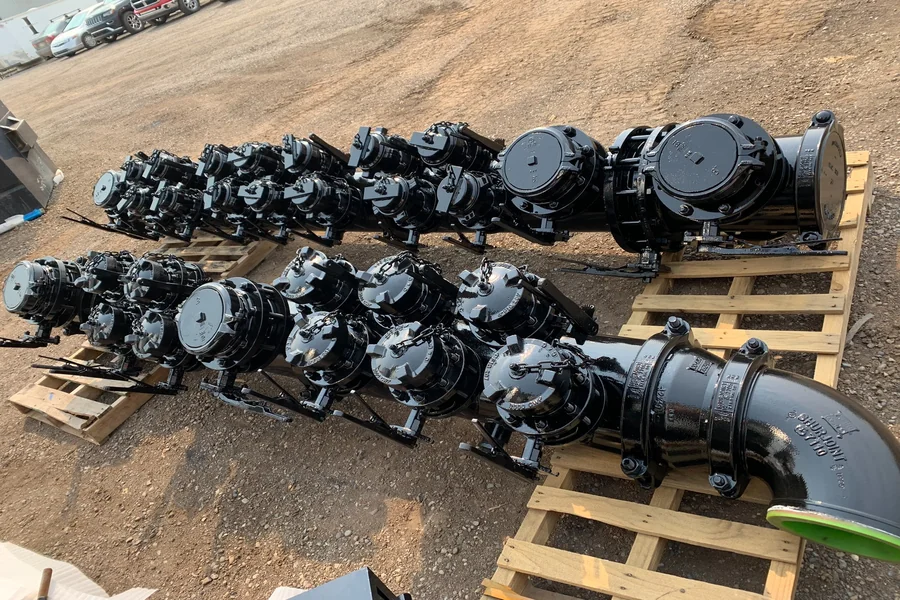
In industrial and commercial sectors, vehicles and equipment are constantly exposed to harsh environments. From heavy-duty trucks operating on salted winter roads to construction machinery enduring mud, water, and abrasive materials, the risk of corrosion, wear, and environmental damage is ever-present. Industrial-grade protective coatings have emerged as essential solutions, providing a robust barrier that enhances durability, minimizes maintenance, and extends the operational lifespan of critical assets.
Understanding Industrial Protective Coatings
Protective coatings are engineered materials applied to surfaces to resist chemical, mechanical, and environmental degradation. Unlike standard paint, which primarily serves aesthetic purposes, industrial-grade coatings are formulated to withstand extreme conditions, including high humidity, UV radiation, chemical exposure, and abrasion. They create a shield that prevents rust, corrosion, and mechanical wear, which can compromise structural integrity and operational efficiency.
Industrial coatings come in various types, each designed to address specific challenges. Epoxy coatings, for instance, offer exceptional adhesion and chemical resistance, making them ideal for heavy machinery and vehicle underbodies. Polyurethane coatings combine flexibility with durability, providing protection against UV damage and surface wear. Zinc-rich primers serve as sacrificial layers, preventing rust formation on steel surfaces through galvanic protection. Choosing the right coating system requires a careful assessment of the operating environment, surface material, and performance requirements.
Rust Prevention and Corrosion Resistance
One of the most significant threats to vehicles and equipment is rust, which occurs when metal surfaces oxidize due to exposure to moisture and oxygen. Rust not only deteriorates the aesthetic appearance of machinery but also weakens structural components, leading to costly repairs and operational downtime. Industrial-grade coatings act as a barrier between metal surfaces and corrosive elements, effectively preventing oxidation.
Zinc-rich coatings are particularly effective in rust prevention. By containing a high concentration of zinc particles, these coatings create a galvanic reaction that protects steel surfaces even if the coating is scratched or damaged. Epoxy coatings also provide excellent corrosion resistance, forming a dense, non-porous layer that shields metal from moisture and chemicals. For vehicles, applying a durable chassis coating further protects the underbody against rust, road salts, and debris, significantly extending the lifespan of the frame. For outdoor applications, topcoats such as polyurethane or polysiloxane can be applied over primers to further enhance weather resistance and UV protection.
Protection Against Wear and Mechanical Damage
Vehicles and industrial equipment are subject to constant mechanical stress, including abrasion, impact, and friction. Protective coatings are formulated to resist these forces, reducing surface degradation and extending service life. For example, polyurethane coatings offer high flexibility and toughness, allowing surfaces to absorb impacts without cracking or chipping. Epoxy and ceramic-based coatings provide superior hardness, making them suitable for heavy machinery that operates in abrasive environments.
In addition to abrasion resistance, some coatings incorporate anti-slip or self-lubricating properties, which enhance operational safety and efficiency. This is especially important in industries like mining, construction, and transportation, where equipment failure can result in significant downtime and safety hazards.
Environmental and Chemical Resistance
Industrial equipment often encounters harsh chemicals, oils, and solvents that can damage unprotected surfaces. Protective coatings are engineered to resist chemical attack, preventing deterioration and maintaining the integrity of critical components. For instance, epoxy coatings are highly resistant to acids, alkalis, and hydraulic fluids, making them ideal for use in factories, refineries, and heavy-duty vehicles.
Environmental factors such as UV exposure, extreme temperatures, and humidity can also degrade surfaces over time. Coatings with UV stabilizers and heat-resistant formulations protect against fading, cracking, and thermal damage, ensuring long-term performance even under challenging conditions.
Cost Efficiency and Sustainability Benefits
While industrial-grade coatings may require a higher initial investment than standard paints, they deliver significant cost savings over time. By preventing rust, wear, and chemical damage, these coatings reduce maintenance frequency, extend equipment life, and minimize downtime. Additionally, modern coatings are increasingly formulated with environmentally friendly components, reducing volatile organic compound (VOC) emissions and meeting stringent environmental regulations.
Conclusion
Industrial-grade protective coatings are indispensable for industries that rely on vehicles and equipment in harsh operational environments. By providing exceptional resistance to rust, wear, and environmental damage, these coatings not only enhance performance and longevity but also reduce maintenance costs and improve safety. Investing in high-quality protective coatings ensures that industrial assets remain reliable and efficient, even under the most demanding conditions. For businesses aiming to protect their equipment and maintain operational continuity, industrial coatings are not just a choice—they are a necessity.