
Acne scars can remain long after active breakouts have healed, leaving uneven skin texture and visible indentations that may affect a person’s confidence. Among the most common types of atrophic acne scars are rolling scars, which create broad, wave-like depressions, boxcar scars, which have more defined edges and a flat base, and ice pick scars, which appear as narrow, deep pits.
Each type has different structural characteristics, meaning the most suitable acne scar treatment depends on factors such as scar depth, shape and severity. A dermatologist can assess these features, consider your skin type and recommend appropriate treatment options. Understanding the available procedures, recovery expectations and acne scar treatment cost can also help you make informed decisions before proceeding.
Rolling Scars: Treating Uneven Skin Texture
Rolling acne scars appear as broad depressions with sloping edges, creating a wave-like or undulating appearance across the skin. They often develop when fibrous bands beneath the skin pull the surface downwards, making the surrounding tissue look uneven. The choice of acne scar treatment depends on the depth of these depressions and whether the scars are tethered to deeper tissues.
Subcision may be considered to release the fibrous bands responsible for the indentations. Microneedling and fractional laser resurfacing may also help stimulate collagen production and improve skin texture over time. In some cases, a combination of procedures may be recommended to address different aspects of the scarring. A dermatologist can assess the underlying cause and determine which options may be suitable for your skin.
Boxcar Scars: Addressing Defined Depressions
Boxcar acne scars are characterised by round or oval depressions with sharply defined edges and a relatively flat base. Unlike rolling scars, which have sloping borders, boxcar scars create more distinct indentations that can vary in depth. This distinction matters when selecting an acne scar treatment, as shallow scars may respond differently from deeper ones.
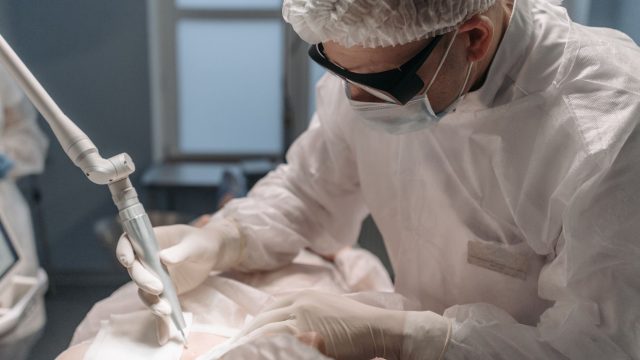
Fractional laser resurfacing can help remodel the skin and improve its texture, while microneedling may stimulate collagen production to soften the appearance of selected shallow scars. For deeper or more sharply defined depressions, a dermatologist may consider other procedures, including punch techniques, depending on the scar’s characteristics.
Treatment outcomes vary according to scar depth, skin type and individual healing responses. A proper assessment can help determine which approach is appropriate and whether combining treatments may offer additional improvement.
Ice Pick Scars: Managing Narrow, Deep Scars
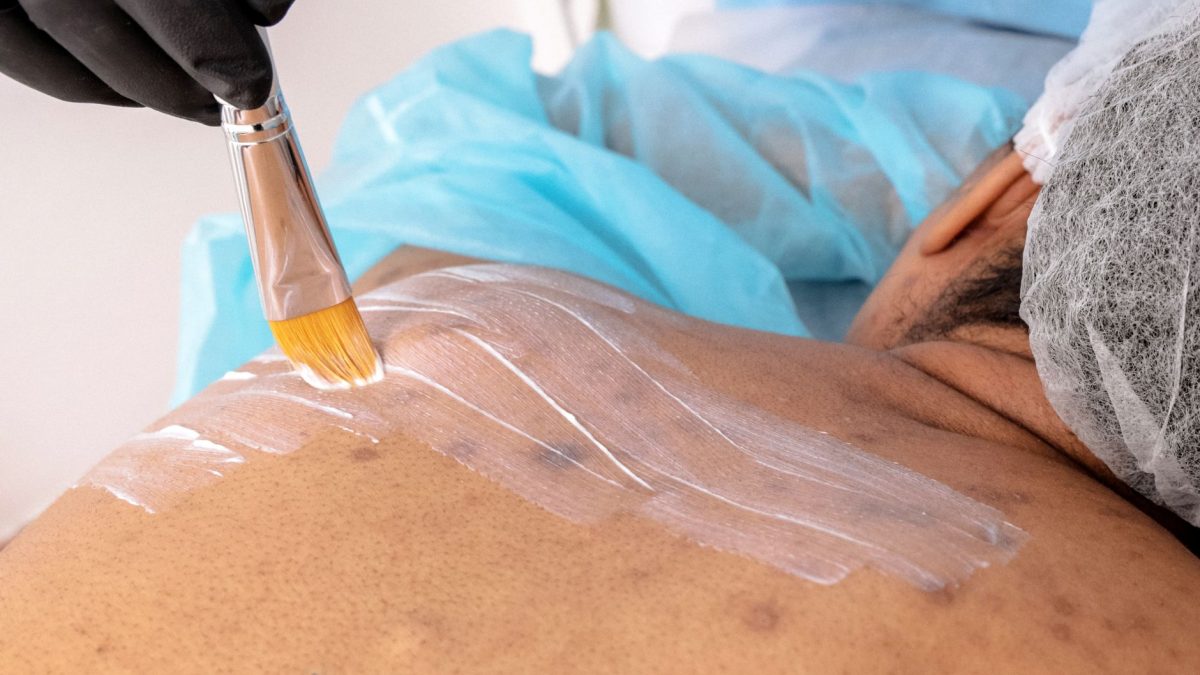
Ice pick acne scars are narrow, deep indentations that extend into the skin, often resembling small puncture marks. Their depth and small surface opening can make them challenging to treat with procedures that primarily target the skin’s surface. One option a dermatologist may consider is chemical reconstruction of skin scars (TCA CROSS), which involves applying a high-concentration trichloroacetic acid solution to individual scars to stimulate tissue remodelling. Selected cases may also benefit from punch excision or punch elevation, depending on the scar’s depth and characteristics.
The choice of acne scar treatment requires careful assessment, as different procedures carry different risks, including pigmentation changes and scarring. A dermatologist can evaluate the affected areas, discuss suitable options and explain the expected recovery period. Multiple sessions or a combination of treatments may be needed to achieve noticeable improvement, and complete scar removal cannot be guaranteed.
Comparing Different Acne Scar Treatment Options
Choosing an appropriate acne scar treatment depends on the type of scar, its depth and the skin’s overall condition. Different procedures target different structural causes of scarring, so a dermatologist may recommend one treatment or a combination of approaches. Common options include:
- Subcision: May help improve rolling scars by releasing fibrous bands that pull the skin downwards.
- Microneedling: Stimulates collagen production and may improve selected shallow scars and uneven skin texture.
- Fractional Laser Resurfacing: Promotes skin remodelling and may help reduce the appearance of certain depressed scars.
- TCA CROSS: Uses targeted application of trichloroacetic acid to stimulate remodelling in selected narrow, deep scars, particularly ice pick scars.
- Punch Techniques: May be considered for selected deep or sharply defined scars that are less likely to respond sufficiently to surface treatments alone.
Each procedure has different recovery requirements, potential side effects and limitations. For people with several scar types, a dermatologist may recommend combining treatments to address their individual characteristics. Skin tone, the risk of post-inflammatory hyperpigmentation and the presence of active acne should also be considered when developing a treatment plan.
Factors That Influence Treatment Selection
Several factors influence which acne scar treatment may be suitable for an individual. Scar depth, shape and severity help determine whether a procedure should target the skin’s surface or deeper tissue. Skin type and tone are also important, particularly for individuals who are prone to post-inflammatory hyperpigmentation after procedures that cause inflammation. Active acne should be addressed as well, since new breakouts can lead to further scarring and may affect treatment timing.
During a consultation, a dermatologist may also consider previous treatments, healing patterns, downtime and budget. Some procedures require several sessions, while others may involve more noticeable recovery periods. Discussing these factors helps establish realistic expectations and allows the treatment plan to be tailored to the individual’s needs. A suitable approach should balance potential improvements in skin texture with the risks, costs and practical considerations of each procedure.
Conclusion
Rolling, boxcar and ice pick scars have different characteristics and may require different treatment approaches. Understanding the type and severity of your acne scars can help you explore suitable options and set realistic expectations for improvement. A dermatologist can assess your skin and recommend a personalised treatment plan based on your concerns, skin type and recovery preferences. Looking for suitable acne scar treatment options? Arrange a consultation with: