

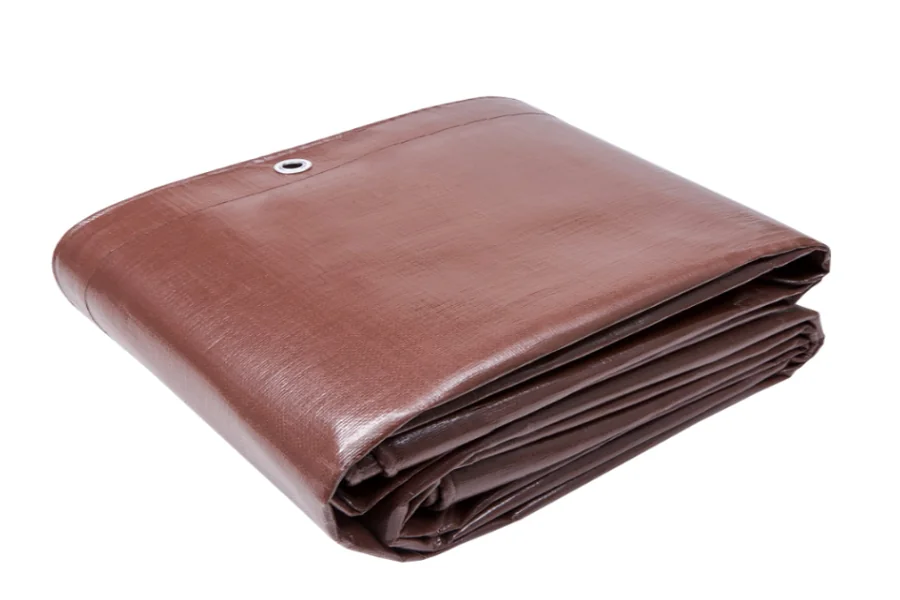
Every tool is as effective as its quality. A heavy‑duty poly tarp must hold up under rain, UV, wind, abrasion, and punctures. These tarps aren’t just covers; they are shields for gear, vehicles, and structures. When choosing a tarp, durability and reliability top the list. We relied on helpful data from industry leader Brix Tarps’ Heavy Duty Poly Tarps to create this useful content for you to help you decide what is the best fit for your needs.
What Makes Poly Tarps Durable and Waterproof
The secret lies in the material and construction. Made from woven polyethylene with a waterproof coating, these tarps resist water, mildew, and rot. UV-resistant additives prevent fading and brittleness. Reinforced hems and rustproof grommets add strength at critical stress points. Early choices in those specs define long‑term durability.
Thickness, Weight, and Weave Count: The Specifications That Matter
Three specs define performance:
- Thickness (mils): Measures tarp thickness. More mils mean better tear resistance and longevity
- Weight (oz/yd²): Indicates how rugged the tarp feels
- Weave density (threads per inch): Higher density improves puncture resistance and tear control
Look for tarps in the 10–20 mil range with a 14×14 or 16×16 weave to stand up to rugged conditions.
Common Styles for Versatile Use
Poly tarps come in a few key formats to match intended use:
- Flat tarps: Budget‑friendly and good for light jobs
- Heavy‑duty grommeted tarps: Reinforced around edges with metal eyelets for fifth‑wheeled tie‑downs
- Extreme tarps (20 mil+): Used in construction, agriculture, or emergency shelters
- Decor and event tarps (white): UV‑resistant, visually clean, ideal for outdoor events and canopy covers
Choose the format that aligns with whether the tarp covers equipment, forms a shelter or protects patio furniture.
Heavy‑Duty Protection in Action
Tarps excel in many scenarios:
- Protecting vehicles, boats, woodpiles, and construction materials
- Acting as emergency roof patches after storm damage
- Supplying temporary shelter for equipment, livestock, or people
- Serving event functions as shade or structure covers
- Creating ponds or ice‑rinks with water containment capabilities
Their ability to adapt is what makes them a go‑to asset.
Choosing the Right Material and Style
Match the tarp to the job:
- Light‑duty tasks: go with 6–8 mil flat tarps
- General outdoor use: aim for 10–12 mil strong tarps with reinforced edges
- Heavy‑duty needs: select 16–20 mil tarps with thick weave and sturdy grommets
- Aesthetic or event use: consider white 12 mil UV‑resistant tarps
Balance durability, weight, color, and size to get maximum performance.
Tips for Longevity and Maintenance
Extend tarp life with these steps:
- Install loosely to avoid stress during wind
- Pack it dry and clean to prevent mildew
- Replace grommets or sew small tears before they spread
- Use safety lines and tie‑downs to avoid abrasion against sharp edges
- Store under shade to reduce UV breakdown
Well‑maintained tarps resist damage and preserve their protective value.
The Role of Poly Tarps in Disaster Readiness
Tarps have a proven record in emergency preparedness:
- Instant storm damage patch for roofs and broken structures
- Temporary debris containment or shelter walls
- Sandbag liner to minimize erosion
- You can’t overprepare with a tarp in a utility closet or car trunk
That makes them essential tools in any emergency kit.
Buying Guide: What to Look For
Here’s a quick reference checklist:
- Thickness: 10 mil or higher for serious outdoor use
- Weave count: 14×14 or 16×16 for strength
- Material: 100% virgin polyethylene gives best longevity
- Edges: heat‑sealed hems and rope reinforcements
- Grommets: rustproof and spaced every 18 inches
- Coating: waterproof, UV‑treated, mold resistant
A little extra upfront investment pays off in real world performance.
FAQ: Heavy‑Duty Waterproof Poly Tarps
What mil thickness do I need for outdoor durability?
Use 10–12 mil for general outdoor shelter or equipment coverage and 16–20 mil for extreme strength and longevity.
Can these tarps resist UV and mildew?
Yes. Many come treated for UV degradation and feature waterproof, mildew‑resistant coatings.
Do I need reinforced edges and grommets?
Absolutely. Grommets create secure tie‑points and reinforced hems prevent tearing under tension.
What sizes are available?
Sizes range from small pieces like 6×8 ft to massive 50×100 ft sheets. Choose based on your coverage needs.
Are white tarps better for events?
White tarps reflect heat and provide a clean look, often used in wedding tents, market stalls or clean workspace covers.
How should I store the tarp?
Clean and dry it first, fold carefully, and store it out of the sun. Avoid prolonged exposure to UV and moisture.
Can these be used for water containment?
Yes. Heavy‑duty 12 mil or thicker tarps can act as liners for ponds, pools, or makeshift water storage.
A Smart Investment in Protection
Heavy‑duty waterproof poly tarps aren’t glamorous, but they are indispensable. Their unique combination of strength, versatility, and weather resistance makes them valuable for homeowners, landscapers, construction teams, event planners, and emergency responders. Pick the right specs and maintain care, and your tarp will perform reliably for years. Confidence in a rugged tarp is peace of mind you can pack, tie down, and trust.