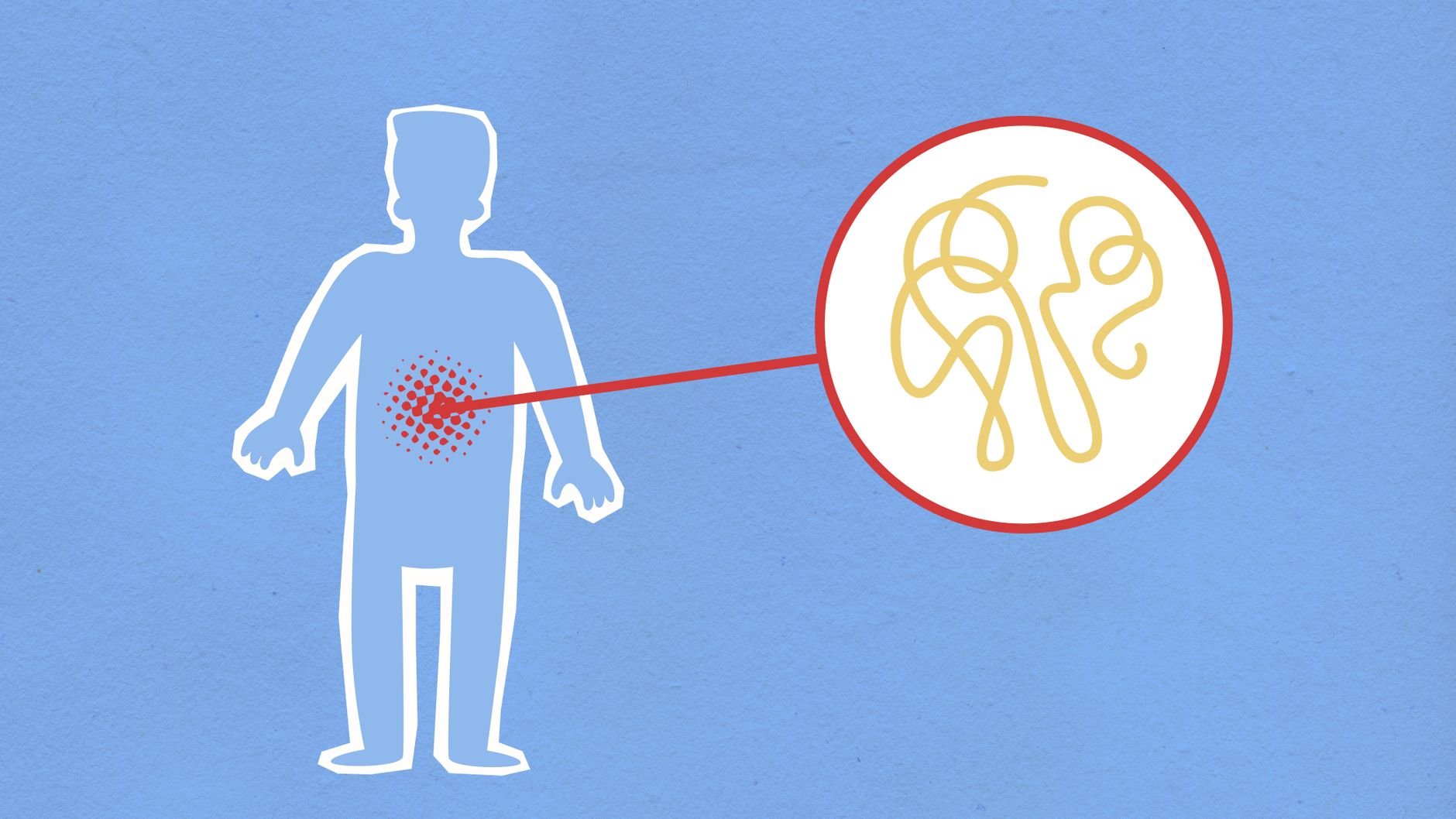

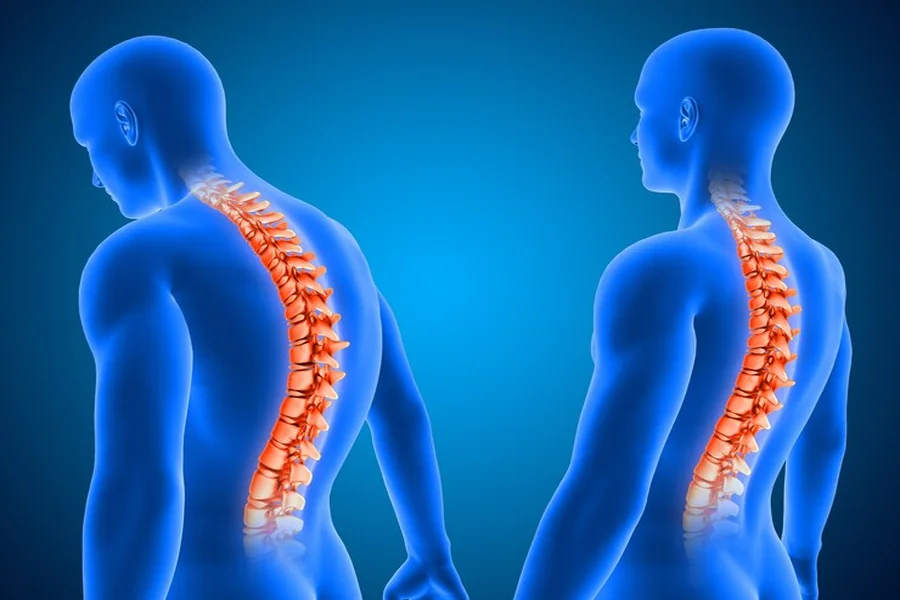
A slipped disc occurs when one of the discs that cushions the bones of the spine bulges or ruptures, potentially irritating nearby nerves. Symptoms can vary widely from person to person. Some individuals experience mild back or neck discomfort, while others may develop sharp pain that radiates into the arms or legs, numbness, tingling, or even muscle weakness. In many cases, slipped disc symptoms improve with conservative measures such as rest, activity modification, medication, and physiotherapy.
However, not everyone recovers as expected. For some people, pain may persist for weeks or months, while others may notice worsening symptoms that interfere with daily activities, work, or sleep. Conditions such as sciatica and ongoing spinal pain can significantly affect quality of life if left unaddressed. Understanding when to seek further evaluation is therefore an important part of recovery.
A consultation at a pain management clinic may help identify the cause of persistent symptoms and determine appropriate treatment options. If you want to learn more about slipped discs, sciatica, and persistent spinal pain, read here https://www.totalpainspecialist.com/condition/persistent-spinal-pain-syndrome-slipped-disc-sciatica/.
Persistent Pain That Is Not Improving
It is not uncommon to experience back or neck pain in the weeks following a slipped disc. As the inflammation around the affected disc and nerves settles, many people gradually notice an improvement in their symptoms. However, if pain continues with little or no improvement despite rest, medication, physiotherapy, or other conservative treatments, it may be a sign that further assessment is needed.
Persistent pain can affect more than just physical comfort. It may make it difficult to concentrate at work, participate in exercise, perform household tasks, or enjoy everyday activities. Some people find themselves avoiding certain movements out of fear of triggering pain, which can further impact mobility and quality of life.
While there is no single timeline that applies to everyone, ongoing symptoms that continue for several weeks or months should not be ignored. A thorough evaluation can help determine whether the slipped disc is still contributing to the pain, whether there is ongoing nerve irritation, or whether other factors may be affecting recovery. Identifying the cause of persistent symptoms is often the first step towards finding a more effective treatment plan.
Pain That Travels Down the Arm or Leg
One of the hallmark signs of a slipped disc is pain that radiates beyond the spine and into an arm or leg. This occurs when the bulging or herniated disc irritates a nearby nerve root. Depending on the location of the slipped disc, the symptoms may affect different parts of the body.
For example, a slipped disc in the lower back can cause sciatica, a condition characterised by pain that travels from the lower back into the buttock, thigh, calf, or even the foot. Some people describe the pain as sharp, shooting, burning, or electric-like. Others may notice that it worsens when sitting for long periods, coughing, sneezing, or changing positions.
Similarly, a slipped disc in the neck may cause pain that radiates into the shoulder, arm, or hand. In some cases, arm pain may be more noticeable than neck pain itself. Because nerve-related pain can significantly affect mobility, comfort, and daily activities, persistent symptoms should be evaluated rather than simply endured. If radiating pain continues despite conservative treatment or becomes increasingly severe, it may indicate ongoing nerve irritation that requires further assessment.
Numbness, Tingling, or Weakness Are Becoming More Noticeable
While pain is often the most obvious symptom of a slipped disc, neurological symptoms such as numbness, tingling, or muscle weakness may be more concerning. These symptoms can occur when a compressed nerve is unable to function normally. You may notice pins-and-needles sensations in your arm, hand, leg, or foot, or experience weakness when climbing stairs, lifting objects, or walking.
If these symptoms are becoming more frequent or progressively worsening, it is important not to ignore them. Prompt evaluation can help identify ongoing nerve compression and guide appropriate treatment before further complications develop.
Daily Activities Are Becoming Increasingly Difficult
The impact of a slipped disc is not measured solely by the intensity of pain. In many cases, the condition begins to affect everyday activities that were once routine. You may find it difficult to sit through a workday, drive for extended periods, carry groceries, exercise, or even get a good night’s sleep. Some people start avoiding social activities or hobbies because certain movements consistently trigger discomfort.
When symptoms begin to interfere with your ability to work, stay active, or maintain your usual lifestyle, it may be a sign that the condition requires further attention. Assessing how a slipped disc affects your daily function can help determine whether additional treatment options may be beneficial.
Conservative Treatments Have Not Provided Sufficient Relief
Conservative treatments are often the first step in managing a slipped disc. These approaches aim to reduce inflammation, improve mobility, and allow the body time to heal. Common conservative treatments include:
- Oral pain medications
- Anti-inflammatory medications
- Physiotherapy
- Home exercise programmes
- Activity modification
- Heat or cold therapy
Many people experience gradual improvement with these measures and are able to return to their normal activities. However, recovery does not always follow the same path for everyone.
You may benefit from further evaluation if:
- Your pain persists despite several weeks of treatment
- Sciatica symptoms continue to radiate down the leg
- Numbness or tingling is becoming more noticeable
- Daily activities remain limited by pain
- Symptoms repeatedly return after initial improvement
When conservative treatments have not provided sufficient relief, additional options may be considered.
Conclusion
Living with a slipped disc can be challenging, especially when pain, sciatica, numbness, or weakness begin to affect your daily life. While many people recover with conservative treatments, persistent or worsening symptoms may indicate the need for further evaluation.
Recognising the signs early can help you explore appropriate treatment options and take steps towards improving your comfort, mobility, and overall quality of life. If you are experiencing persistent symptoms from a slipped disc or sciatica and would like a personalised assessment, contact us at: