
Living with high power vision problems can affect daily comfort, confidence, and independence. Thick spectacles and strong contact lenses are often inconvenient, prompting many people to explore permanent corrective options. LASIK eye surgery has emerged as one of the most advanced solutions for correcting refractive errors, including high prescriptions. However, understanding who can benefit from the procedure—and where its limitations lie—is essential before making an informed decision.
How LASIK Corrects High Power Vision Issues
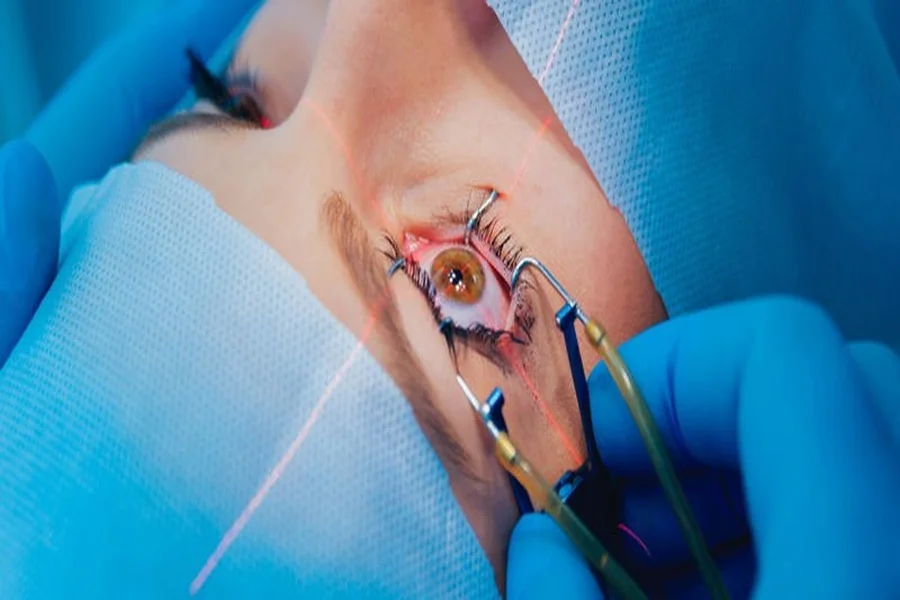
LASIK is a laser-surgical operation that aims at remodeling the cornea in such a way that the light refracts properly onto the retina. It is a part of the wider group of refractive surgery which is designed to minimize or remove reliance on corrective lenses.
For individuals with high power vision problems, LASIK works by:
- Exact correction of myopia, hyperopia and astigmatism.
- Improving visual clarity within minutes after the procedure
- Provision of long term correction and minimum recovery time.
The development of laser technology has broadened the scope of prescriptions that can be safely treated and this procedure has become available to a wide number of patients who were deemed unsuitable before.
Who Is an Ideal Candidate for LASIK?
None with a high prescription are automatically qualified. With a careful eye examination, one should identify their fitness and guarantee a harmless result.
Ideal candidates typically include individuals who:
- Stable original prescription of one year or more.
- Possess sufficient corneal thickness
- Are free from active eye diseases or severe dry eye
Age and general eye health also play a role.The over 18-year-old healthy cornea adults having realistic expectations are likely to record successful results. Lasik eye surgery can really improve the quality of life of a proper candidate by offering him or her a better vision without the necessity of eye aids every day.
Limitations of LASIK in Extreme Prescriptions
Although LASIK is very effective, it has a few limitations especially where the refractive error is very high. Law and order come first before the power of correction.
LASIK may not be recommended if:
- The cornea is un-reshappably thin.
- The prescription is out of the safe correction limits
- Conditions such as keratoconus or advanced dry eye are present
Under such circumstances, one can recommend alternative refractive surgical procedures, including PRK, SMILE, or implantable contact lenses. Such techniques in many cases may offer safer and foreseeable outcomes to complicated cases.
Exploring Alternative Vision Correction Options
In the case of the inability to use LASIK, modern ophthalmology provides effective solutions to the needs of each eye structure.
Common alternatives include:
- PRK, is a type of cornea re-shaping but with no flap.
- A minimum invasive procedure involving lasers is called SMILE.
- Implantable lenses, ideal for very high prescriptions
An individualised strategy would make sure that the selected treatment would be in line with the safety and aesthetic objectives.
Conclusion: Making the Right Choice for Your Eyes
Sight issues that are high power vision also make people no longer be dependent on glasses or other forms of contacts all their lives. LASIK eye surgery may be a safe and effective alternative to the majority of people with the help of careful consideration of all possible risks and expert advice. The candidacy learning, awareness of restrictions, and options when they are required will empower the patients to make informed decisions that they have confidence in and will assist them in their long-term visual clarity.