
Back pain can develop for various reasons, ranging from muscle strain and degenerative disc changes to herniated discs that may irritate nearby nerves. The appropriate treatment depends on the underlying cause, the severity of symptoms and how the pain affects everyday activities such as walking, sitting or working. While many cases improve with conservative treatments, persistent disc-related pain may require further assessment to determine whether other options are suitable.
Nucleoplasty surgery Singapore is one minimally invasive treatment that may be considered for selected patients with specific types of disc herniation who have not responded adequately to non-surgical management. Understanding how the procedure works, who may benefit from it and its limitations can help patients make informed decisions about whether to explore nucleoplasty surgery in Singapore with a pain specialist.
What Is Nucleoplasty Surgery and How Does It Work?
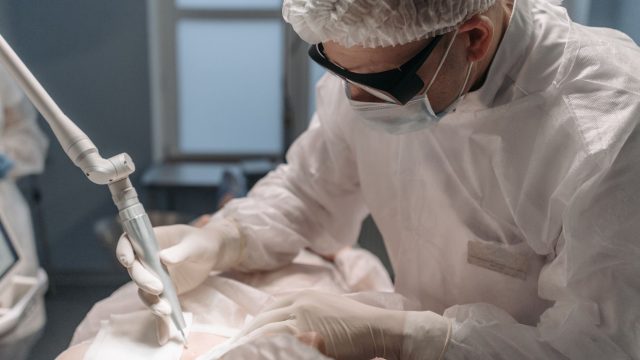
Nucleoplasty is a minimally invasive procedure designed to treat selected cases of disc-related back pain. It involves inserting a specialised needle or probe into the affected intervertebral disc, where energy is used to remove or reduce a small amount of disc material. This may reduce pressure within the disc and help alleviate symptoms in suitable patients. Unlike open spinal surgery, nucleoplasty generally requires a smaller access point and does not involve removing the entire disc.
However, the procedure is not appropriate for every type of herniated disc or back pain. Its suitability depends on factors such as the location and extent of the disc abnormality, the presence of nerve compression and the patient’s symptoms. A pain specialist can assess these factors to determine whether nucleoplasty is an appropriate treatment option.
Which Types of Back Pain May Be Suitable for Nucleoplasty?
Nucleoplasty may be considered for selected patients with persistent lower back pain associated with a contained herniated disc. In some cases, a damaged disc may contribute to pain in the lower back or cause symptoms that radiate into the buttocks or legs. Patients who have not experienced sufficient improvement with conservative treatments, such as medication, physiotherapy or activity modification, may wish to explore whether this procedure is suitable for them.
However, experiencing these symptoms does not automatically mean that nucleoplasty is appropriate. A specialist will need to establish whether the affected disc is the likely source of pain and whether the disc characteristics are suitable for treatment. The duration of symptoms, degree of functional limitation and presence of other spinal conditions will also influence the decision. An individual assessment helps determine whether nucleoplasty or another treatment approach is more appropriate.
When Might Nucleoplasty Not Be the Right Option?
Although nucleoplasty may help selected patients with disc-related back pain, it is not suitable for every spinal condition. For example, pain caused primarily by muscle strain, facet joint problems or other structures in the spine may require a different treatment approach. Patients with severe nerve compression, significant spinal instability, certain types of disc herniation or advanced degenerative changes may also need alternative treatments, depending on their clinical findings.
In some cases, conservative management may remain appropriate, while others may require a different interventional procedure or surgical assessment. Choosing treatment based solely on the severity of back pain can overlook the underlying cause. A pain specialist will consider the patient’s symptoms, examination findings and imaging results to identify the likely source of pain. This helps guide treatment decisions towards options that are appropriate for the individual’s condition and needs.
What Assessments Are Needed Before Nucleoplasty Surgery Singapore?
Before considering nucleoplasty surgery Singapore, a pain specialist will assess the patient’s symptoms, medical history and response to previous treatments to determine whether the procedure may be suitable. This assessment helps establish whether the affected disc is likely to be the source of pain and whether nucleoplasty is an appropriate option.
The assessment may include:
- Medical History: Reviewing how long the pain has persisted, its location, severity and impact on daily activities.
- Physical Examination: Assessing spinal movement, pain patterns, mobility and possible signs of nerve involvement.
- Imaging Tests: Using magnetic resonance imaging (MRI) to identify disc abnormalities and determine whether the findings correspond with the patient’s symptoms.
- Previous Treatments: Evaluating the response to medication, physiotherapy and activity modification.
- Other Spinal Conditions: Checking for factors such as significant nerve compression, spinal instability or other conditions that may affect treatment suitability.
An MRI finding alone does not establish the need for nucleoplasty. By considering the clinical findings alongside imaging results, the specialist can discuss the potential benefits, risks and alternative treatments before recommending an individualised treatment plan.
What Are the Alternatives, Benefits and Limitations of Nucleoplasty?
Nucleoplasty may offer selected patients a minimally invasive option for disc-related back pain, but its potential benefits and limitations should be considered alongside other treatments. Conservative approaches, such as physiotherapy, appropriate medication and guided rehabilitation, may help manage symptoms and improve function.
Depending on the underlying condition, a pain specialist may also discuss other interventional procedures or refer the patient for a surgical opinion. Potential considerations include:
- Minimally Invasive Approach: Nucleoplasty uses a small access point rather than the larger incision associated with some forms of open spinal surgery.
- Potential Symptom Relief: Some suitable patients may experience reduced disc-related pain, although outcomes vary and relief is not guaranteed.
- Recovery Considerations: Recovery depends on the individual, the procedure performed and any underlying spinal conditions.
- Procedural Risks: Possible complications and side effects should be discussed with the treating specialist before proceeding.
- Alternative Treatments: Other non-surgical or surgical options may be more appropriate depending on the diagnosis and severity of the condition.
The most suitable approach depends on the patient’s clinical findings, treatment goals and response to previous care.
Conclusion
Nucleoplasty may be a treatment option for selected patients with persistent disc-related back pain, but its suitability depends on the underlying spinal condition, symptoms and response to previous treatments. A proper medical assessment can help determine whether the procedure or an alternative approach is appropriate for your needs. Seeking guidance on managing persistent back pain? Visit our clinic at: