

Persistent lower back pain can interfere with everyday activities, limit mobility and affect quality of life, particularly when discomfort continues despite rest or initial treatment. One possible cause is a bulging or herniated lumbar disc, which may irritate nearby nerves or surrounding structures and contribute to ongoing pain. For selected patients with certain types of disc-related symptoms, nucleoplasty Singapore offers a minimally invasive treatment option that may help relieve pain by reducing pressure within the affected disc.
However, this procedure is not suitable for every patient, and its potential benefits depend on the nature of the disc problem and individual clinical findings. Before considering nucleoplasty for back pain, it is important to identify the underlying cause of the discomfort, as back pain can also arise from muscles, joints and other spinal conditions that may require different treatment approaches.
What Causes Disc-Related Back Pain?
The spinal discs sit between the vertebrae and act as cushions that absorb impact while allowing the spine to bend and move. Over time, these discs may undergo wear and tear, lose some of their flexibility or develop bulges or herniations. When a disc irritates nearby structures or compresses a nerve root, it can contribute to persistent lower back pain and, in some cases, pain that radiates into the buttock or leg.
Symptoms may include aching, stiffness, tingling, numbness or discomfort that worsens with certain movements. However, not every bulging or herniated disc causes pain. A clinical assessment, supported by imaging such as an MRI when indicated, can help determine whether a disc abnormality is likely to be responsible for the symptoms and guide appropriate treatment.
What Is Nucleoplasty and How Does It Work?
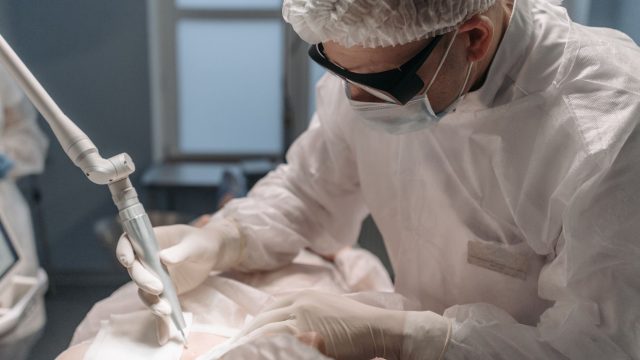
Nucleoplasty is a minimally invasive procedure designed to treat selected cases of disc-related back pain by removing or reducing a small amount of material from within an affected spinal disc. Using specialised technology and image guidance, a pain specialist directs a probe into the disc to create a channel and reduce some of the pressure within it. The aim is to relieve symptoms associated with suitable disc abnormalities without the need for more extensive surgery.
The procedure is generally performed under local anaesthesia, although sedation may be used depending on the patient’s circumstances and the clinical setting. While nucleoplasty Singapore may be an option for certain patients with persistent disc-related symptoms, its suitability depends on the type and extent of the disc problem, the patient’s symptoms and clinical assessment. It is not appropriate for every form of back pain, and outcomes can vary between individuals.
Who May Benefit From Nucleoplasty Singapore Treatment?
Nucleoplasty may be considered for patients with persistent disc-related back pain who have not experienced sufficient relief from conservative treatments. However, suitability depends on the type of disc problem, symptom severity and overall health. A pain specialist may review the patient’s medical history, conduct a physical examination and assess MRI findings where appropriate before recommending treatment.
Factors that may influence suitability include:
- Persistent disc-related pain: Symptoms continue despite appropriate initial treatments, such as medication or physiotherapy.
- Type of disc abnormality: Certain contained disc herniations may be more suitable for nucleoplasty than larger or more complex herniations.
- Clinical and imaging findings: The patient’s symptoms and examination findings should correspond with the affected disc.
- Degree of nerve compression: Significant nerve compression may require a different treatment approach.
- Overall health: Existing medical conditions and previous treatment responses may affect the risks and suitability of the procedure.
Nucleoplasty is not appropriate for every patient with lower back pain. A thorough assessment helps determine whether the procedure may be beneficial or whether another treatment option would be more suitable.
What Treatment Options Should Be Considered Before Surgery?
Before considering an invasive procedure for persistent disc-related back pain, patients may benefit from trying suitable non-surgical treatments. The approach depends on the cause of the pain, symptom severity and how the condition affects daily activities. Options may include:
- Activity Modification: Adjust activities that aggravate symptoms while maintaining gentle movement. Prolonged bed rest is generally discouraged.
- Physiotherapy: Guided exercises may help improve mobility, strengthen supporting muscles and restore functional movement.
- Medication: A doctor may recommend appropriate pain relief or anti-inflammatory medication after assessing potential benefits, risks and existing medical conditions.
- Epidural Steroid Injections: For selected patients with nerve-related pain, injections may help reduce inflammation around affected nerve roots and provide temporary symptom relief.
- Other Targeted Pain Procedures: Depending on the diagnosis, other interventions may be considered to manage symptoms and support rehabilitation.
The duration of conservative treatment varies according to the patient’s condition and response to care. If symptoms persist or continue to limit daily activities, a pain specialist can reassess the diagnosis and discuss whether a procedure such as nucleoplasty may be appropriate.
Recovery, Expected Results and Potential Risks
Recovery after nucleoplasty varies depending on the patient’s condition, the procedure performed and their overall health. Some patients may return home on the same day, although the timing of their return to normal activities should follow the treating clinician’s advice. Patients may be advised to limit strenuous activities temporarily and gradually resume everyday movement as recovery progresses. Follow-up appointments can help monitor symptoms and determine whether additional treatment or rehabilitation is needed.
Although nucleoplasty is minimally invasive, it carries potential risks, including infection, bleeding, nerve injury and persistent or recurrent pain. Some patients may experience limited improvement or find that their symptoms require further treatment. The degree and duration of pain relief also vary, so the procedure should not be viewed as a guaranteed or permanent solution.
Discussing Radiofrequency Ablation With a Pain Management Specialist
Radiofrequency ablation may offer pain relief for selected chronic pain conditions, particularly when other treatments have not provided sufficient improvement. However, its suitability depends on identifying the source of pain, assessing the patient’s overall health and weighing the potential benefits against the risks. A consultation with a pain management specialist can help patients understand whether radiofrequency ablation is appropriate for their condition and explore other available treatment options.
With an individualised management plan and appropriate follow-up, patients can work towards improving comfort, mobility and daily function. If persistent pain is affecting your quality of life, consider arranging a consultation with a pain management specialist in Singapore to discuss your symptoms and the next steps in your care.
Finding The Right Approach To Persistent Back Pain
Persistent disc-related back pain can affect mobility, daily activities and quality of life, but treatment options are available. Nucleoplasty may be suitable for selected patients whose symptoms are linked to certain types of spinal disc problems, particularly when initial conservative treatments have not provided sufficient relief. However, identifying the cause of the pain and evaluating the potential benefits and risks of each treatment are essential before proceeding. For an assessment of your symptoms and available treatment options, contact our clinic at