
Sagging skin, deeper folds, reduced definition of your jawlines are just a few examples of obvious facial aging. For many patients in Singapore who would like to appear more youthful, comparing the advantages and disadvantages of surgical facelift and non-surgical facial rejuvenation is a must. This is due to the various factors to consider before finally choosing the right procedure for you, such as your aesthetic goals, budget, downtime, and treatment longevity. A plastic surgery clinic in Singapore (https://www.allureplasticsurgery.sg/facelift-singapore/) can help you understand these differences and explore different options that suit your needs.
A Deeper Look into Surgical and NonSurgical Facelifts
Singapore’s environment exposes residents to many elements that cause facial aging like high humidity, lifestyle stressors, and tropical sunlight. Combine this with our body’s natural aging process, you may begin to see symptoms of facial skin laxity when you step into your late 30s. How this progresses in the succeeding years highly depends on the route that you take to maintain your skincare and overall health.
Combating the signs of aging is one of the most common concerns of many adults that seek aesthetic treatments in Singapore. Hence, the local aesthetic landscape continues to keep up with the demands, offering several options for facelift procedures ranging from non-thermal skin tightening to extensive surgical facelifts done by qualified plastic surgeons.
Non-Surgical Facelifts: Fast Recovery, Subtle Beauty, and Total Convenience
Non-surgical facelifts have a wide array of treatments that are focused to lift, tighten, and rejuvenate the skin without using anaesthesia, incisions, or requiring long downtimes. These procedures are best for mild to moderate skin laxity and are a popular choice among the working class in Singapore who cannot insert extended time away from their professional work or social commitments.
Common Non-Surgical Facelift Treatments:
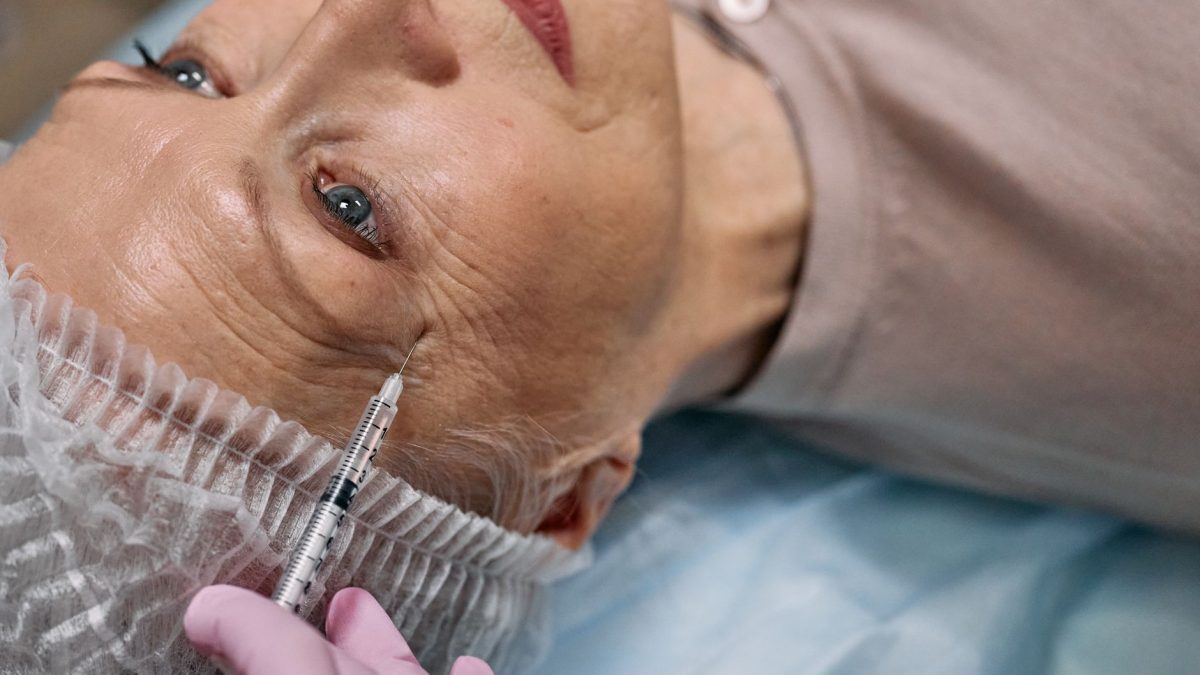
- Dermal Fillers: These treatments make use of strategically-placed hyaluronic acid fillers that restore volume loss in your jawline, midface, and mid-face by lifting sagging tissue.
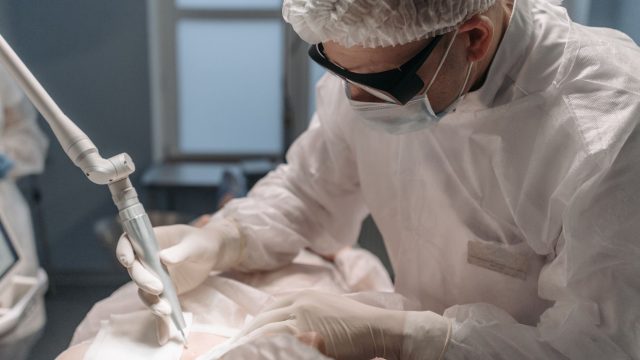
- High-Intensity Focused Ultrasound (HIFU): HIFU uses a high-powered ultrasound machine to generate energy and target the Superficial Musculoaponeurotic System (SMAS) layer of this skin, which stimulates collagen production and creates a tightening effect.
- Radiofrequency (RF) Microneedling: RF Microneedling uses a combination of thermal energy and micro-injuries to the skin to trigger collagen production, improve the texture of your skin, and tighten mild laxity.
- Thread Lifts: Thread lifts use dissolvable, biocompatible threads that are inserted underneath the skin to instantly lift sagging while simultaneously promoting long-term collagen production.
Lifestyle Compatibility and Downtime Required
Having minimal downtime is what makes non-surgical facelifts a popular choice in many plastic surgery clinics in Singapore. These procedures not only enable patients to return to their normal routines immediately, but they can also be easily inserted into one’s schedule. If you are looking for an effective approach to address your sagging facial skin, but have limited time to spare, you may want to consider exploring the different non-surgical facelift treatments available.
Cost-Effectiveness Through Time
The cost between non-surgical and surgical procedures for facelift is another major concern of many patients. Comparing the two, the former is significantly more affordable than the other. However, longevity draws a major line when it comes to results. A lot of non-surgical procedures require multiple sessions to maintain the results for a long time. The cost compounds over time as you repeatedly visit a plastic surgery clinic to sustain your youthful appearance. It is possible that the cost of non-surgical facelift treatments can exceed that of a single surgical procedure when continuously done for a long period of time.
Surgical Facelifts: Extensive and Permanent Results
Deep jowls, moderate to severe skin sagging, and significant skin tissue descent are best addressed by surgical facelift procedures (rhytidectomy) since a non-surgical approach may only produce marginal improvements.
A surgical facelift done traditionally involves a meticulous procedure performed by a plastic surgeon using local anaesthesia with sedation or general anaesthesia. To achieve the desired results, your surgeon makes incisions into your skin to correct the position of deeper facial muscles and tissues, remove or reallocate extra fats, and take away excess skin.
Recovery and Downtime
Surgical facelifts require reasonable commitment to recovery. If you are looking into taking this path to restore a younger appearance, you should plan to lie low from social commitments and work for at least two to three weeks. A long downtime is needed for your face to heal fully from bruising and swelling. This period is critical and demanding, but the return is great. You get to enjoy the results of a single procedure for more than a decade.
Longevity and Results
The results of a surgical facelift procedure are highly remarkable, durable, and can last from 8 to 12 years. This is because the procedure goes past just surface-level laxity for restoration and addresses the root causes of aging, which are usually structural. Resetting your structural facial features allows you to age gracefully in the years to come.
Compatibility Factors: Which procedure best suits you?
There are several factors that could determine whether a surgical or non-surgical facelift procedure is best for you:
Your Age and Skin’s Biological Quality
Non-invasive thread lifts or energy devices are usually effective for patients who are in their 30s to early 40s with mild skin laxity and good skin elasticity. For older adults, particularly those who are beyond the age of 50, exhibiting severe skin sagging, a surgical facelift intervention is more appropriate to obtain optimal results.
Aesthetic Expectations
If you prefer subtle refresh or want to start preventive maintenance, your face can benefit from non-surgical treatments. However, if your symptoms are pronounced and need a more contoured jawline, a surgical facelift procedure will do a better job in dealing with these concerns.
Downtime Tolerance
Again, time is an important factor to consider when choosing the best procedure for you. A surgery demands a lot of time, so if your work or social commitments are hectic, this may not be your top option.
Final Word
Surgical and non-surgical facelifts have their own pros and cons. Non-surgical interventions offer quick, low-downtime, and more affordable treatment options with satisfactory results for mild to moderate skin aging problems. Surgical facelifts, on the other hand, provide long-lasting structural improvements for advanced ageing, but this investment demands more on your time and finances. Consulting with a reputable plastic surgery clinic in Singapore can help you dive deeply into which option is best based on your facial anatomy, symptoms, and lifestyle requirements. Having a better understanding of these factors can help create a personalised roadmap for you to achieve your sought after natural and youthful glow.