
Living in a sunny and tropical climate like Singapore highly exposes your skin to develop facial pigmentation like Melasma. Dark spots or brown patches can suddenly appear on your face at any point in time, making you head to your nearest pharmacy to scour aisles of skincare products for the right treatment. Should you choose an exfoliant? A brightening serum perhaps? The choices can be overwhelming and frustrating, especially when they fail to provide your expected results.
One particular reason that the blemish on your face remains stubborn is due to misdiagnosis. Various types of pigmentation problems share the same symptoms. Hence, it is crucial that you consult with a top melasma clinic in Singapore first to get an accurate diagnosis. This first step can help prevent your skin condition from worsening and avoid burning your money on products that don’t work.
Melasma vs. Sunspots vs. Post-Inflammatory Hyperpigmentation (PIH)
A topical serum or cream’s inability to erase an unsightly spot on your face does not always mean that the product is totally ineffective. While symptoms may look alike, there is no one-size-fits all treatment for different types of pigmentation issues. It is important that you know exactly what kind of hyperpigmentation you have to address it correctly.
Let’s break down the common misdiagnosed pigmentation problems.
Melasma aka The Hormonal Mask
What it is: Melasma is a pigmentation problem that can be identified by patches of brown-to-grayish discolouration that appear symmetrical and blotchy on the skin. It usually affects the bridge of the nose, the cheeks, chin, forehead, and upper lip.
Root Causes: The root cause of Melasma mainly points to the internal changes in your body, primarily your hormones. It can appear when your hormones become imbalanced caused by hormone therapy, pregnancy, or use of oral contraceptives. Melasma can worsen when you are exposed to heat or do not use proper skin protection against UV radiation.
Skin Depth: Skin discoloration can either be shallow (epidermal layer), deep (dermal layer), or a mix of both. Topical products that can be bought over-the-counter are most likely ineffective for treating melasma that goes deep into the skin.
Sunspots aka The UV Stamp
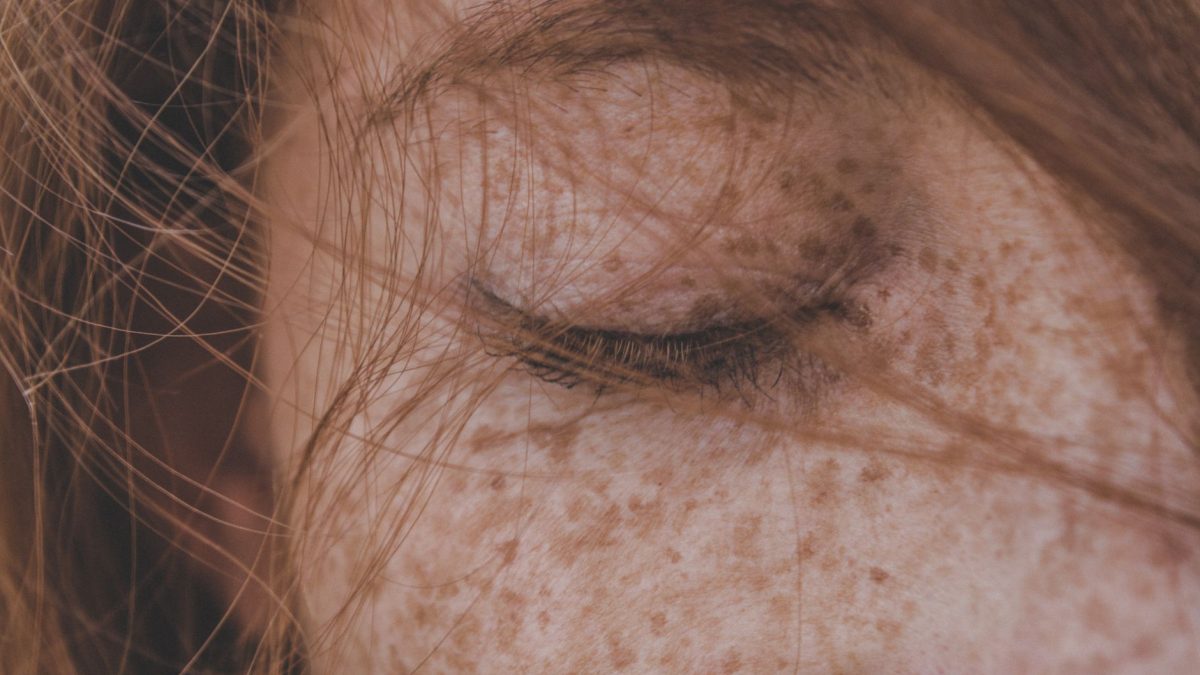
What it is: Commonly known as age or liver spots, sunspots are characterised by flat brown spots that are distinct, well-defined, and shaped like an oval. They appear on areas of the skin that are exposed to the sun frequently, such as the cheeks, hand, and shoulders.
Root Causes: Being exposed to UV over the course of time triggers the development of sunspots on your skin by reproducing melanocytes excessively, as a defense mechanism.
Skin Depth: Sunspots show up on the surface level of the skin (epidermal layer).
Post-Inflammatory Hyperpigmentation (PIH) aka The Injury Scar
What it is: PIH is a skin condition that is a result of your skin’s healing following an inflammatory injury. It appears as flat areas of spots that are either brown, black, pink, or red in shade. The usual suspects leaving these marks on your skin are acne breakouts, bug bites, facial treatments that may be too aggressive, or flares caused by eczema.
Root Causes: The process of inflammation in your skin sets off the production of too much melanin during the healing phase of your skin.
Skin Depth: Depending on the depth of your injury, PIH can affect either the dermal or epidermal layer of your skin.
Why OTC Treatments Often Fail in Treating Melasma
There are many “all-in-one” brightening skincare products that promise to clear dark spots, but these do not produce convincing results particularly with Melasma. Several aspects contribute to this:
- One Size Does Not Fit All – Many over-the-counter brightening creams and serums only contain AHA or BHA, which are mild exfoliators or Arbutin, Niacinamide, or Vitamin C, which are gentle tyrosinase inhibitors. When used over time, these ingredients can help in brightening surface level skin discolorations, such as sunspots or epidermal PIH. However, they are not strong enough to penetrate through the deeper layers of your skin, where Melasma roots from.
- Heat and Climate Factors in Singapore – Being a tropical country, your skin is almost always exposed to Singapore’s high heat and UV levels. Not all OTC skincare products formulate their creams and serums to address heat-induced vascularisation, which greatly influences the development of melasma by having tiny blood vessels sustain and reactivate pigment cells. Topical brightening agents become useless when your skin is not protected with medical-grade sunscreen and specifically formulated anti-inflammatory products.
- High Risk of Exacerbation – Aside from being stubborn, Melasma is known to be a pigmentation problem that is sensitive. Using strong acidic peels, aggressive OTC facial scrubs, or harsh brightening ingredients on your skin can irritate its barrier. When this happens, your skin becomes inflamed and triggers melanocytes to multiply, leading to excess hyperpigmentation. As a result, your melasma becomes darker and could spread broadly in your skin.
Types of Medical-Grade Approaches to Treat Melasma
To avoid misdiagnosing your pigmentation problem, it is highly recommended that your skin gets assessed by a reputable skincare doctor. Having a professional diagnosis allows you to know the proper treatments available for Melasma. More importantly, you will not be second guessing the efficacy of the products as medical clinics use targeted, evidence-based treatments that can be customised according to your needs. Some of these treatments include:
- Broad-Spectrum Sun Protection: Doctors do not miss to emphasise about the importance of using broad-spectrum sunscreens that are infused with zinc oxide or titanium dioxide. These products shield your skin from harmful UVA, UVB, and high-energy visible (HEV/Blue) light.
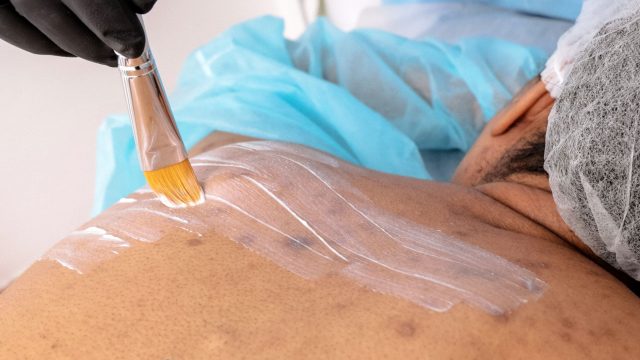
- Medical Chemical Peels: This type of treatment is effective in speeding up cellular turnover, which allows your skin to safely shed the affected pigmented surface under the supervision of your doctor. Medical-grade acids like glycolic acid, mandelic acid, or trichloroacetic acid are the active ingredients often used for these treatments.
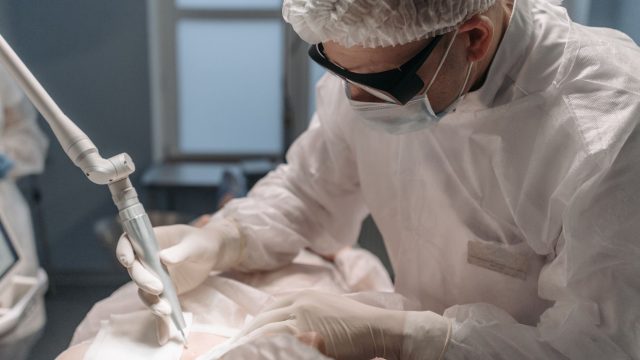
- Targeted Pigment Lasers: Powerful lasers, such as the Modern Q-switched or Picosecond lasers, work on Melasma by breaking down rigid blotchy spots into ultra fine particles that get naturally flushed out of the body through the lymphatic system. These lasers have specific settings that can target and reach Melasma that is set deep in the skin without causing any damage to the surrounding skin.
- Topical Prescription Agents – The top go-to treatment for Melasma that is used under medical supervision is often a combination of topical prescription creams, particularly Corticosteroids, Hydroquinone, and Tretinoin. Another prescription that can be used for stubborn vascular melasma is Oral Tranexamic Acid.
Finding Clarity to Clear Melasma
Self-diagnosing your dark spots using information found on the internet can worsen your Melasma instead of treating it. If you see patches of brown skin or clusters of dark spots, do not immediately spend your money on regular over-the-counter brightening products. There is a great chance that you’ll be tossing that away. Instead, have your skin examined and clearly diagnosed by a medical professional, so that your skin can be treated with a more targeted approach. Having an experienced aesthetic doctor attend to your skin’s needs is a far better choice to reach clear skin.