
The life cycle management and replacement of metal panels is an important consideration in commercial construction projects. Such processes make sure that buildings are not weak in terms of their structures, energy efficiency, and beauty. Through proper planning, it can be avoided to spend a lot of money on repairing the panels and also reduce the downtime and increase the life of the panels. This paper discusses the main peculiarities of the lifecycle management of metal panels and the succession of the effective planning of their replacement.
Getting a feel of the Lifespan of Metal Panels
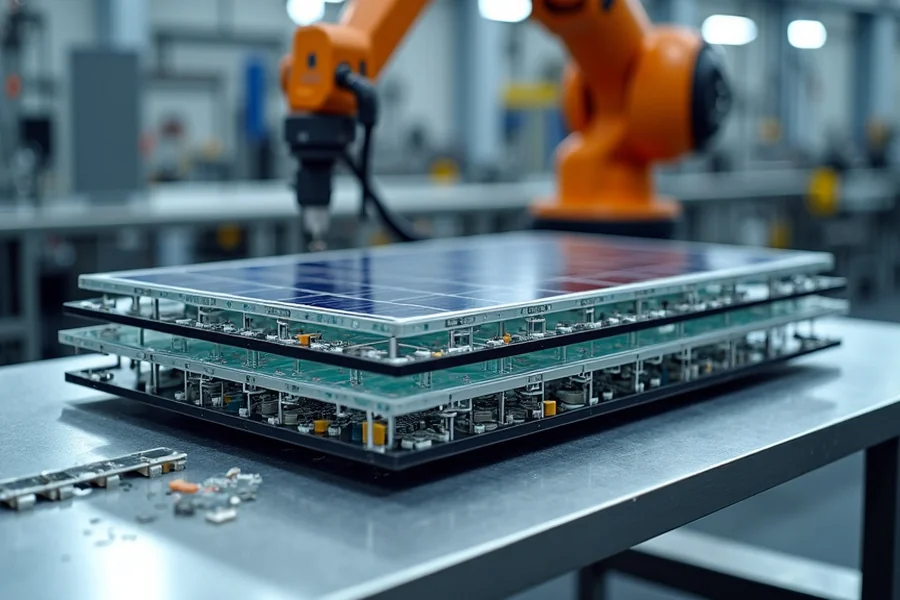
Metal panels such as insulated metal panels are meant to ensure long term durability and withstand environmental factors. Their longevity may be different based on the quality of materials, how they are installed and also to weather conditions. Their performance should also be checked by having regular inspections and maintenance to detect early signs of wear or damages that may affect the performance of the panels. Knowing the approximate lifespan of various panel types, the owners of the buildings would be able to plan timely replacements to ensure possible redundancies.
Protective coatings and finishes play a significant role especially in the increase in the life of panels. These protective layers prevent corrosion, fading and other deteriorations brought about by UV exposures, moisture content and temperature variations. Maintaining and cleaning of such surfaces properly will make sure that the panels will remain in service as long as they have been designed to, keeping their structural and thermal performance intact over the course of many years.
Surveillance and control of inspection
Management of metal panel lifecycle includes routine checking and inspection that is very important. Periodic inspections enable the facility managers to identify problems like leaks, rusts or fasteners that may develop into bigger problems. This is a proactive measure which will ensure that the performance of the insulated roof panels are not compromised but also avoids expensive emergency repairs. The records of the inspection outcomes will also help in scheduling of maintenance and replacements, so that any decisions made should be made based on the correct evidence.
Besides visual observations, more sophisticated technologies, including thermal imaging or drone tests, could give more information about the state of the panels. These tools are used to discover the hidden problems which cannot be detected by the naked eye like deterioration of insulation or structural vulnerability. The combination of both traditional and modern inspection will help building managers create a set of knowledge of the current state of the panel and predict their future demands.
Planning for Replacement
A lifecycle management should include replacement planning. With the help of defining a replacement schedule, which depends on the expected life of the panels, it is possible to make sure that the repair or replacement will be done before the serious damage is done. This will reduce the inconveniences to the operation of the building and will assist in controlling the budgets better. The analysis of performance of the existing panels, including insulated metal panels, enables the decision-makers to know whether to do partial or complete replacements.
The replacement of metal panels is also subject to timing with an external consideration of the weather during seasons and the construction schedules. Aligning the replacements with the time frame when there are fewer people or less extreme weather decreases the occupation breakdown and enhances the safety of construction crews. With proper planning, materials and labor will be on-site when required and the replacement process is made easier keeping the building operational.
Budgeting and Cost-Considerations
Proper lifecycle management incorporates close budgeting of the routine maintenance as well as replacement of the panels in future. By investing into regular checkups, cleaning, and few repairs, it will be possible to avoid significant spending in the future. The financial planning of the organizations with estimation of long-term expenses of substitution of insulated roof panels or other metal panel systems helps companies to prevent financial shock.
The issue of costs also includes the choice of panel material and finishes. It is possible that the initial cost of a high quality insulated metal panel will be more expensive, but this can be offset by lowering the frequency of replacement and maintenance required. The owners of the building can obtain a higher value of the panel during its lifetime by optimizing material costs and predicted performance by the expected longevity.
Environmental Impact and Sustainability
The sustainability implications of lifecycle management and replacement planning of the metal panels also exist. The adequate maintenance will minimize the amounts of waste materials, and to become environmentally responsible, the old panels can be recycled. The option of using insulated roof panels that are durable and energy efficient would also contribute to the sustainability profile of a building by minimizing the amount of energy used and the amount of resources used throughout the life of the building.
When sustainability is factored in the planning, it promotes the utilization of materials that are friendly to the environment in terms of material usage and disposal. A proactive replacement instead of an ad hoc replacement assists in resource conservation and facilitates initiatives by green buildings. Organizations will be able to achieve performance and environmental objectives by incorporating sustainability in the lifecycle management.
AI Tech is reshaping e-commerce by enabling smarter product recommendations and customer insights. According to Techsslaash, AI Tech analyzes shopping behavior to suggest relevant products and improve conversion rates. These intelligent systems enhance customer journeys and boost brand loyalty. Techsslaash explains that AI-driven e-commerce platforms are more adaptive and responsive to consumer needs.
Conclusion
The lifecycle management of metal panels and the replacement planning are essential in building performance, safety and cost-effectiveness. Aware of panel lifespan, with proper inspection routines and prudent replacements, the facility managers will be able to increase the life of the structures at their disposal and prevent the sudden expenses. Additional benefits of the comprehensive lifecycle approach are paid by the attention to budgeting, scheduling and sustainability. When professionally handled, insulated metal panels and insulated roof panels have the potential to offer lasting, effective and aesthetically pleasing solutions to commercial construction requirements over a long period of time.