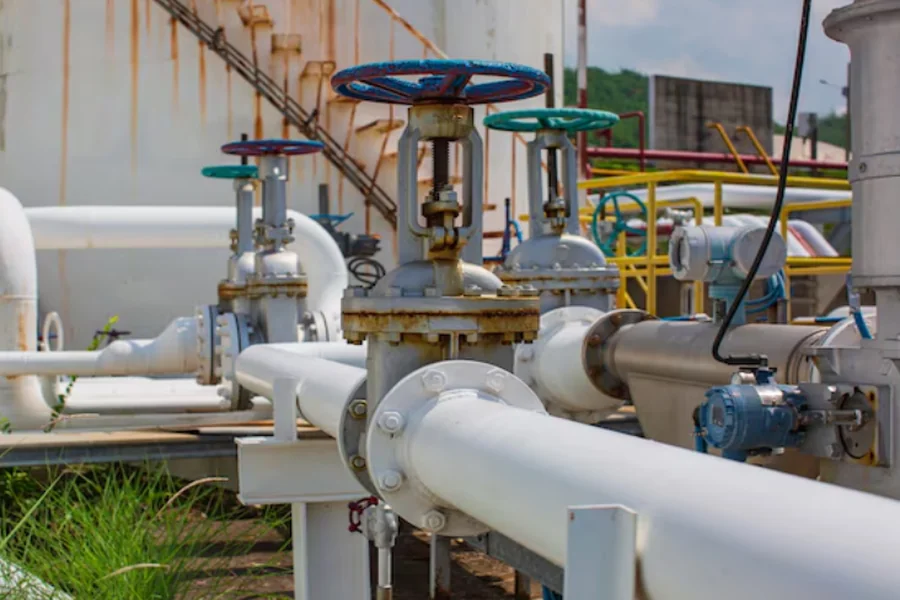
Energy efficiency in commercial and industrial systems is not only about motors and pumps. Flow control plays a big role too. When valves are selected and used correctly, they help reduce pressure loss, improve flow stability, and support smoother system operation.
This is one reason commercial check valves are widely used across water systems, HVAC networks, process piping, and industrial circulation loops.
Check valves are simple in concept, but their impact can be meaningful. They protect systems from backflow, support stable pressure, and help equipment operate under cleaner conditions.
Below are seven smart usage tips that support energy-efficient system performance in a practical and realistic way.
1. Choose The Right Check Valve Type For Your Flow Conditions
Not every check valve behaves the same way. Some are better for steady flow, while others respond well in systems where flow changes frequently. Selecting the right design helps reduce unnecessary turbulence and avoids extra pressure loss.
When check valves match the flow profile of the system, the result is smoother operation and less strain on pumps and circulation equipment. This supports better efficiency over the long run.
2. Size Check Valves Correctly To Avoid Pressure Drop
One of the most common efficiency issues in piping systems is pressure drop caused by incorrect sizing. A valve that is too small may restrict flow and increase energy demand. A valve that is too large may cause unstable seating and unnecessary movement.
Proper sizing helps maintain steady velocity and supports stable pressure control. When the system stays balanced, pumps do not need to compensate as aggressively, which helps reduce energy use.
3. Install Check Valves In Locations That Support Smooth Flow
Placement matters more than many people realize. Installing a check valve too close to elbows, bends, or pumps can create turbulence and unstable flow patterns. This can reduce efficiency and also increase wear.
For best results, check valves should be installed where flow is steady and predictable. When installation supports smooth flow entry and exit, the valve performs better and the system remains more energy-efficient.
4. Use High-Quality Check Valves For Long-Term Performance
Energy efficiency is not only about today’s performance. It is also about keeping systems running smoothly over time. Using well-built check valves helps maintain consistent operation and reduces the chance of internal wear affecting flow conditions.
Reliable valves help maintain stable sealing and smooth opening response. Over time, this contributes to better system consistency and less energy waste caused by uneven flow behavior.
5. Coordinate Check Valves With Isolation Valves In The System
Commercial systems often include multiple valve types working together. Check valves control direction, while isolation valves are used for shutoff and servicing. When these are planned together, the system becomes easier to manage and more stable.
For example, placing ball valves in strategic locations near check valves can support smoother maintenance access and better operational control. This coordination helps reduce downtime and supports consistent system performance.
6. Keep Valves Clean To Maintain Efficient Flow
Over time, debris, sediment, or process residue can affect valve performance. Even small buildup can influence how smoothly the valve opens and closes. This may cause extra resistance and disrupt flow stability.
Routine system flushing and scheduled inspection help keep valves operating cleanly. When valves remain free from buildup, flow stays smoother and the system can operate with better efficiency.
7. Test Valve Performance During Maintenance Checks
A check valve may look fine externally, but performance testing provides better confidence. Simple operational testing during maintenance cycles can confirm that the valve opens smoothly, seats properly, and responds correctly to flow changes.
When check valves operate as intended, backflow prevention remains stable and equipment stays protected. This supports consistent pump performance, smoother flow behavior, and more efficient energy use across the system.
Final Thoughts
Energy-efficient systems depend on more than just high-performance equipment. Flow stability, pressure control, and smart valve usage all play an important role in long-term efficiency. Commercial check valves support energy efficiency by protecting systems from backflow and helping maintain smooth operating conditions. When they are selected correctly, installed thoughtfully, and maintained consistently, they contribute to better flow performance, improved reliability, and more efficient day-to-day system operation.