Carpet beetles are notorious for damaging textiles, especially those made from natural fibers. Unlike pests that thrive on food crumbs alone, these insects feed on keratin-rich materials and organic residues found in fabrics. Their larvae chew through fibers, leaving small irregular holes that can ruin clothing, rugs, and upholstery. Understanding which fabrics they target the most allows homeowners to take focused preventive steps. Protecting these textiles means combining frequent cleaning, thoughtful storage, and long-term monitoring. Tools like automated vacuums can add consistency to these routines, making prevention less demanding while keeping fabrics safe and homes pest-free.
Natural Fiber Fabrics At Risk
Wool And Wool Blends
Wool ranks at the top of the list for carpet beetle damage. The protein content attracts larvae, which thrive in undisturbed wool rugs, coats, and blankets. Items stored without cleaning are especially vulnerable. Regular vacuuming and seasonal airing reduce risks, while sealed storage during warmer months provides extra protection. Even small wool-blend fabrics like scarves or socks should not be overlooked, since larvae need only a small patch to start feeding.
Silk And Delicate Textiles
Silk, valued for its luster and softness, also appeals to carpet beetles. The fine threads can be chewed quickly, leaving visible gaps in garments or decorative pieces. Scarves, ties, and vintage dresses are particularly at risk when stored without breathable covers. To preserve silk, cleaning before storage is essential. Inspection of rarely worn items ensures larvae do not go unnoticed. The fragility of silk means early detection is critical to prevent irreversible damage.
Fur, Feathers, And Leather
Carpet beetles feed on keratin, which is also abundant in fur, feathers, and leather. Stored coats, hats, and down-filled items like duvets are common targets. Even leather furniture can show signs of infestation if crumbs or hair accumulate in seams. Regular cleaning of these materials, combined with careful storage in breathable bags, limits access for pests. Occasional sunlight exposure also helps, as larvae prefer dark, undisturbed areas.
Blended And Everyday Fabrics
Cotton And Linen With Organic Residue
While cotton and linen are not primary food sources, they become targets when stained with sweat, food, or oils. These organic residues supply nutrients that carpet beetles consume. Bed linens, summer shirts, and tablecloths left unwashed can attract pests. Washing these fabrics regularly reduces risks significantly. Even small actions, like shaking out linens weekly, can deny beetles the residue they seek.
Upholstery And Curtains
Household upholstery, especially when made of mixed fibers, provides both shelter and food. Curtains near open windows can collect pollen and dust that appeal to beetles. Sofas and chairs trap crumbs and hair, creating ideal conditions for larvae. Vacuuming furniture seams and laundering removable covers keeps these items clean. Curtains benefit from seasonal washing or at least thorough shaking to release trapped debris.
Carpets And Rugs Beyond Wool
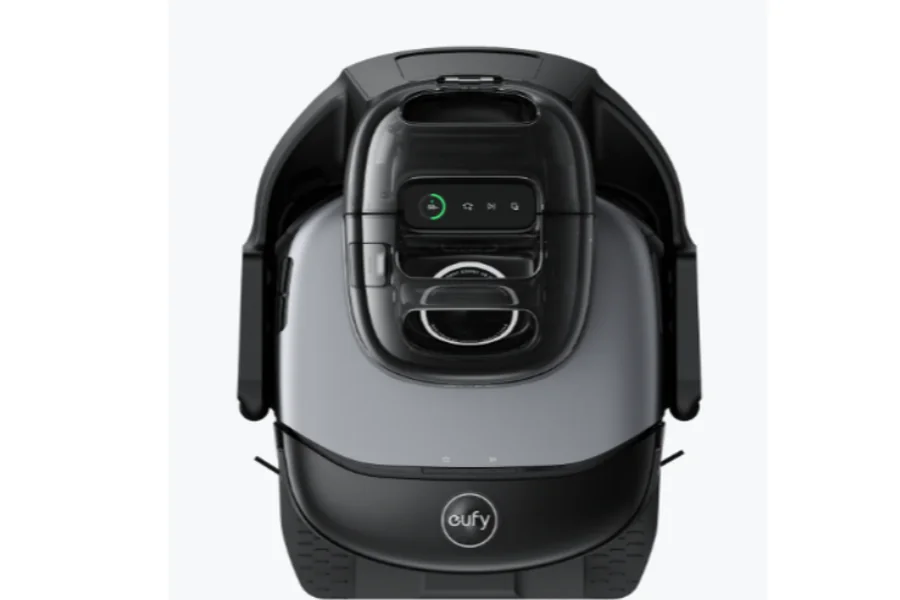
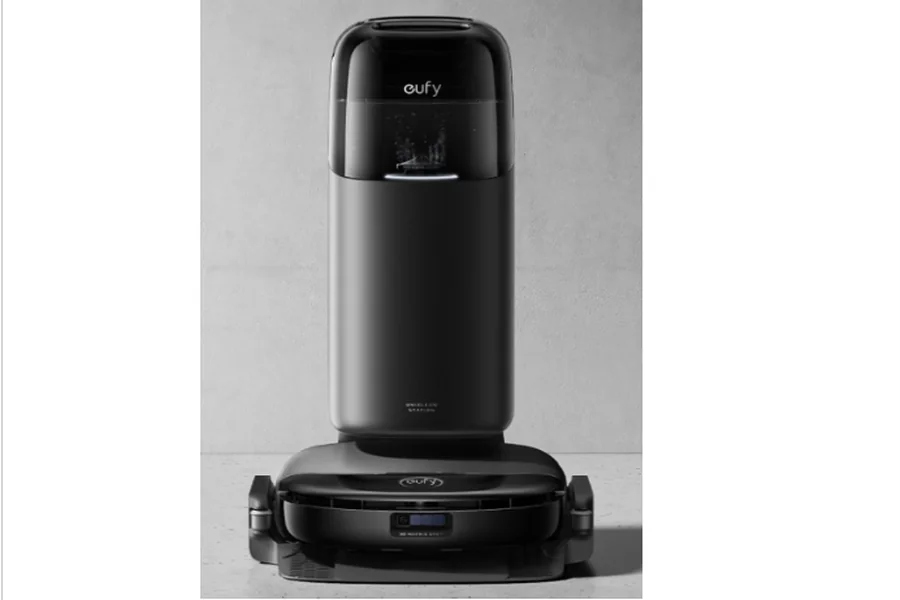
Synthetic carpets are less vulnerable, but blends or rugs containing natural fibers still attract beetles. Dust and lint caught in fibers also provide food, even when the rug itself is not edible. Frequent vacuuming of both sides of a rug and the floor beneath is essential. For busy households, robotic vacuums like the eufy Robot Vacuum Omni S1 Pro keep surfaces consistently clean, reaching edges and corners where debris often collects unnoticed.
Practical Prevention Methods
Cleaning Routines For Long-Term Safety
The most effective way to protect fabrics is through consistent cleaning. Vacuuming removes lint, pet hair, and crumbs that larvae feed on. Laundering items before storage prevents stains from becoming long-term attractants. For deep cleaning, rotate rugs and inspect under heavy furniture. Automated tools such as the eufy Robot Vacuum Omni S1 Pro add value by maintaining daily coverage with powerful suction and precise edge cleaning. Its mop retraction feature ensures carpets stay dry while floors remain spotless.
Smart Storage Solutions
Storing textiles properly prevents carpet beetle access. Clean items thoroughly before placing them in breathable cotton bags or sealed containers. Avoid plastic bags, which trap moisture and risk mold. Choose cool, dry environments, avoiding basements or attics. Rolling larger rugs in acid-free paper sleeves helps protect them, while smaller items fit well in labeled bins. Proper storage not only blocks pests but also extends fabric life overall.
Inspections And Integrated Care
Prevention requires vigilance. Inspect wool coats, silk scarves, or upholstered furniture every few weeks. Look for small holes, powdery debris, or shed skins from larvae. Early detection allows quick intervention before large-scale damage occurs. Household routines such as limiting food in carpeted rooms or keeping pet bedding clean also reduce risk. For households researching how to get rid of carpet beetles, integrated care with consistent cleaning, storage, and inspection often works better than relying on single treatments.
Conclusion
Carpet beetles target fabrics rich in keratin and organic residues, with wool, silk, fur, feathers, and leather being the most at risk. Even everyday fabrics like cotton or blends can attract them when soiled with sweat or crumbs. Upholstery, curtains, and rugs create hiding places that require regular cleaning. Protecting textiles requires a balanced approach: frequent vacuuming, laundering before storage, and routine inspections. Smart tools like the eufy Robot Vacuum Omni S1 Pro simplify these routines by keeping floors consistently clean and preventing debris buildup that supports larvae. By combining cleaning technology with mindful household habits, you can safeguard valuable fabrics from lasting damage.