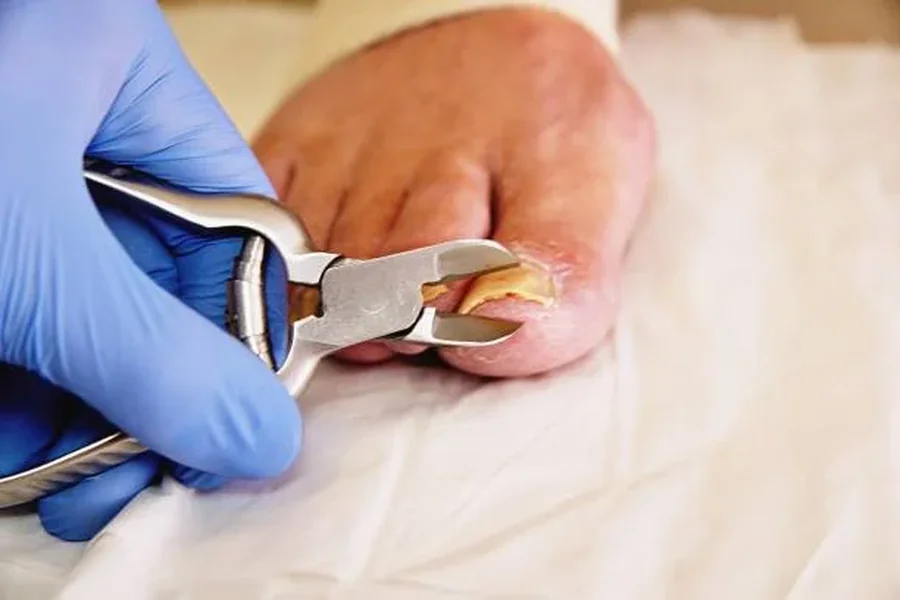
Well maintained and designed toenails look attractive. However, some people suffer from bypassed toenails, where the nail grows deep in the skin or the skin begins to cover the nail edge. As a result, the area can be inflammation and painful. You can also see swelling, redness and tenderness. Sometimes it ends up in an infection, which can spread to the underlying bones without proper medical intervention. This condition usually affects large toe. Anyone can face this problem, from children to adults. Insopulum toenails can have different reasons, such as trimming nails under the natural edge of the toe, shaping them with curved or uneven edges, wearing sickness socks or shoes, which put pressure on the toes, or submit their legs through frequent stress through activities such as long distance or ballet ballet. In some cases, the condition can also be hereditary.
Despite the cause of this condition, you must take into account its good. Before exacerbating the condition, you should draw attention to therapy from a renowned podiatrics clinic in your city. Let the foot experts analyze your toenail and recommend a proper solution based on its condition. If you have already been putting up with the pain, please don’t delay it anymore. For help, you can visit https://feetfirstpodiatry.com.sg/ingrown-toenail-removal-surgery-treatment/.
Warning Signs That an Ingrown Toenail Needs Timely Treatment
You can experience various symptoms associated with ingrown nails. When the nail sinks into the toe skin, the edge of the nail plate becomes painful. It leads to swelling, redness, and inflammation at the same site. Inflammation increases infection risk. If there is an infection, your toe can produce pus, blood or both nail edges. Without timely intervention, granular tissue or a layer of new skin will remain on infection, to impair the existing position. It can eventually affect other parts of your foot as well. Hence, it’s better to visit a podiatrist as soon as you experience discomfort with your toenail. Someone with diabetes, blood circulation issues, and nerve damage in the leg or feet must be more proactive in this area. Otherwise, they may have to pay a heavy price for delaying the treatment.
Generally, internal toenails improve, but others require extra effort. If you do not notice any improvements, it is better to consult an expert. Quick treatment is necessary, especially if the field starts to start pus.
Treatment for Ingrown Toenails
For ingrown toenails, you can try at-home solutions, non-surgical clinic-based treatments, and, finally, surgery. Home treatments entail soaking the affected toenail in lukewarm water that also contains salt. It can soothe inflammation and skin. You can apply a betadine solution to avoid infection risks. Plus, proper nail trimming methods and footwear choices should be adopted.
If you don’t find relief, your podiatrist may need to lift the nail plate for treatment. It is called nail plate packing, a non-surgical procedure that helps correct the position of the nail growth by putting a tiny piece of cotton under the affected toenail. The experts can also use a brace to rectify the nail’s growth pattern. If there is a risk of fungal infection, you can expect the foot specialist to use laser treatment to eliminate germs and restore your nail’s health. However, some patients benefit from surgery that may take more than one hour. The target area will be numbed and anaesthetized before removing the ingrown toenail.
To be precise, it’s always better to consult foot experts for any difficulty that you face with your feet.