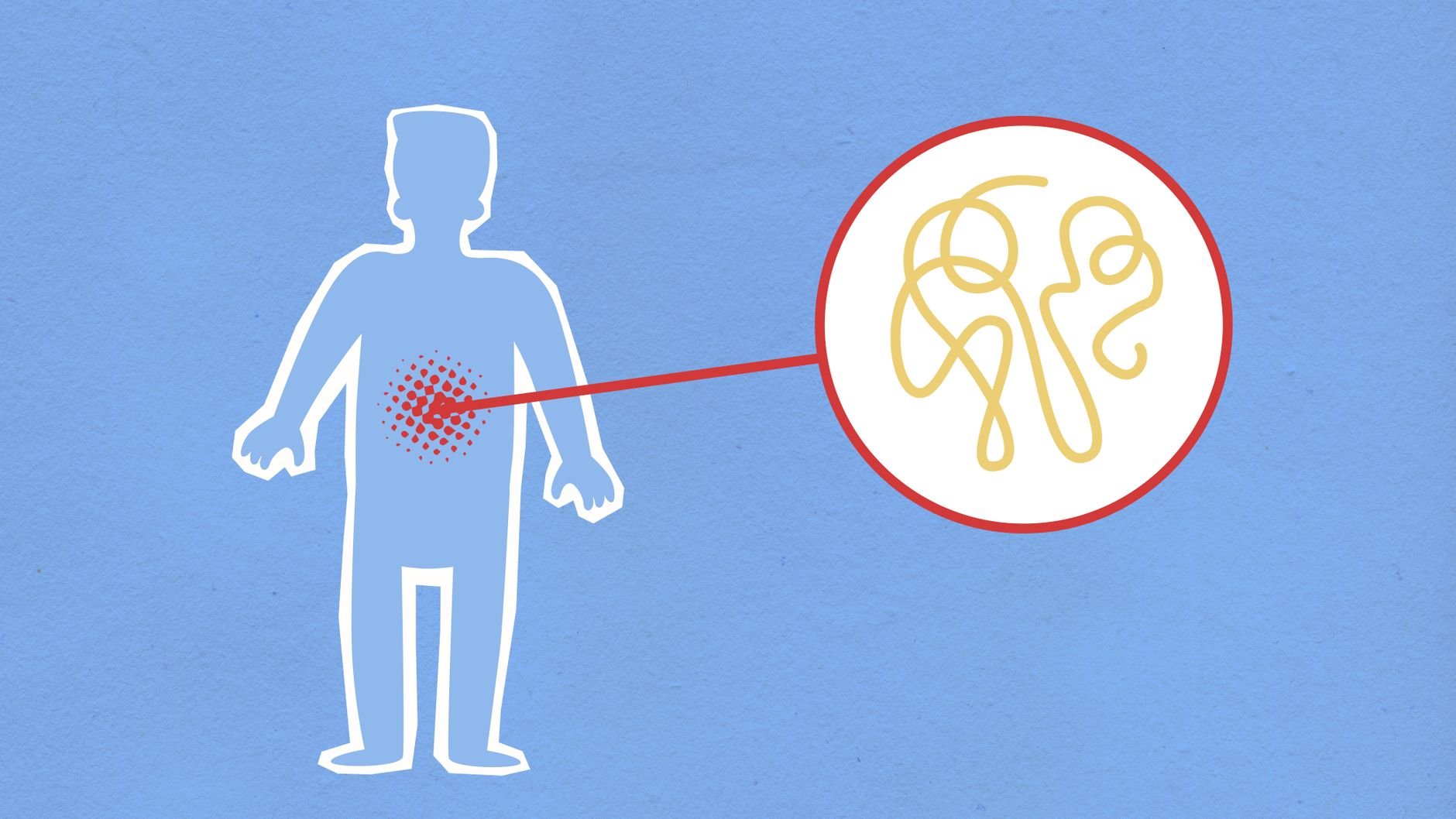

Peptide-drug conjugates (PDCs) are emerging as a promising advancement in targeted cancer therapy. They combine the therapeutic power of drugs with the precision of peptides to attack cancer cells with increased accuracy. This innovative approach leverages the unique properties of peptides—short chains of amino acids—to deliver drugs directly to cancer cells, minimizing collateral damage to healthy tissue. Understanding how PDCs function could revolutionize cancer treatment, making therapies more effective and reducing the burden of side effects that often accompany conventional treatments. Patients and clinicians alike are looking forward to the integration of PDCs into standard cancer care protocols, opening doors to safer and more efficient treatment options.
Understanding Peptide-Drug Conjugates
Definition and Components
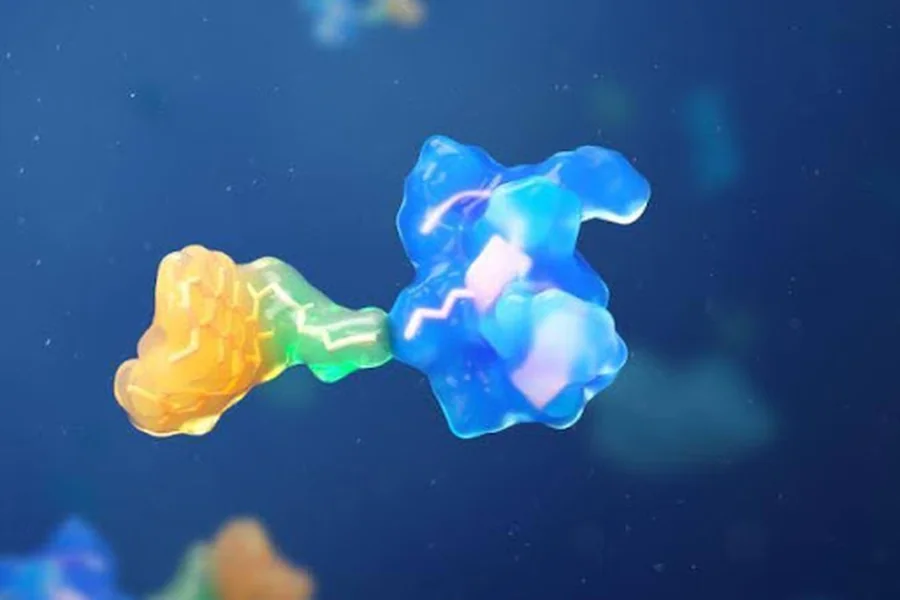
Peptide-drug conjugates are complex molecules consisting of three main components: a peptide ligand, a cytotoxic drug, and a linker that connects them. The peptide ligand is selected for its ability to bind to specific receptors overexpressed on cancer cells. The cytotoxic drug, typically a chemotherapy agent, is the active component intended to kill the cancer cells. The linker plays a crucial role in ensuring the stable attachment of the drug to the peptide until it reaches the cancer cell, where it is released.
Mechanism of Action
PDCs are designed to improve drug delivery precision. Upon administration, the peptide component of a PDC guides the conjugate to cancer cells by binding to specific receptors. This targeted engagement ensures that the cytotoxic drug is delivered specifically to the intended site. Once bound, the PDC is internalized into the cancer cell, where the linker facilitates the release of the drug, allowing it to exert its therapeutic action. This mechanism not only improves drug efficacy but also significantly reduces off-target effects and associated toxicities.
Advantages of Peptide-Drug Conjugates in Cancer Therapy
Enhanced Targeting and Selectivity
PDCs excel in targeting cancer cells with high selectivity. The design of the peptide component allows these conjugates to zero in on specific cancer cell receptors, ensuring that a higher concentration of the therapeutic agent reaches the tumor site. This precise targeting reduces the risk of damage to healthy cells, which is a significant advantage over traditional chemotherapy that often affects both healthy and cancerous cells.
Reduced Toxicity and Side Effects
One of the most compelling benefits of PDCs is their ability to minimize toxicity and side effects. The targeted delivery mechanism ensures that the drug concentration in healthy tissues remains minimal. As a result, patients experience fewer side effects, such as nausea, fatigue, and hair loss, which are commonly associated with chemotherapy. This improvement in the side effect profile contributes to a better overall quality of life for patients undergoing cancer treatment.
Comparison with Antibody-Drug Conjugates
Structural and Functional Differences
While both peptide-drug and antibody-drug conjugates (ADCs) aim to deliver cytotoxic agents specifically to cancer cells, they differ structurally. ADCs use antibodies as targeting agents, which are larger and more complex than peptides. This difference impacts their ability to penetrate tissues; peptides, being smaller, can navigate denser tissue environments more effectively than antibodies.
Clinical Implications
The structural differences between PDCs and ADCs translate into varied clinical applications. PDCs may offer an advantage in targeting less accessible tumor sites due to their smaller size. Additionally, PDCs can be synthesized more rapidly and cost-effectively than ADCs, potentially accelerating their availability in clinical settings. Each platform’s distinct properties underscore the importance of selecting the appropriate conjugate based on the specific therapeutic needs.
Clinical Applications and Future Prospects
Current FDA-Approved PDCs
The approval of FDA-sanctioned PDCs marks a significant milestone in cancer treatment. These approved therapies showcase the practical benefits of PDC technology, particularly in treating specific types of cancer where conventional therapies fall short. They serve as a testament to the efficacy and promise of this therapeutic approach.
Ongoing Research and Development
Research efforts continue to expand in this innovative field, with numerous PDCs in clinical trials targeting a variety of cancers. Scientists are exploring novel peptides and linkers to enhance stability and specificity. Future developments aim at broadening the applicability of PDCs beyond cancer to include other diseases, potentially offering new hope for patients with limited treatment options. As researchers uncover more about the potential uses of PDCs, the future of this technology appears increasingly promising.
Conclusion
The peptide-drug conjugate represents a significant leap forward in targeted cancer therapy. By capitalizing on the precise targeting ability of peptides, PDCs offer a powerful alternative to traditional chemotherapy, with enhanced efficacy and reduced side effects. As research and clinical applications continue to evolve, PDCs are poised to become integral components of cancer treatment protocols. This promising technology holds the potential to transform patient outcomes, ushering in a new era of cancer care focused on precision and patient well-being.