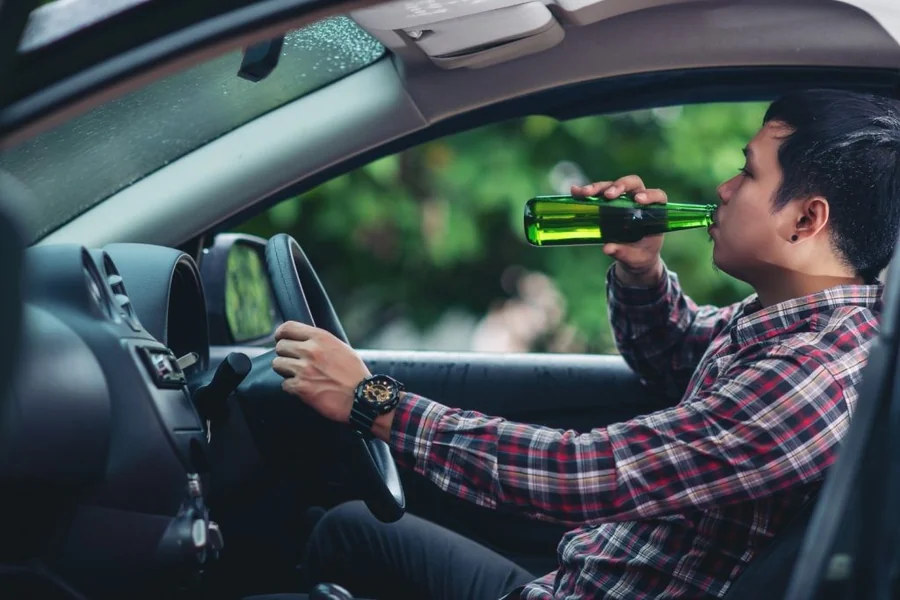
Driving under the influence (DUI) is a dangerous choice that can have life-altering consequences. From car crashes to severe bodily harm, DUI-related accidents cause thousands of injuries every year. If you or someone you know has been harmed in such an accident, it’s crucial to get legal advice for DUI-related injuries to protect your rights and seek fair compensation.
Rear-End Collisions
One of the most common accidents caused by drunk driving is a rear-end collision. Drivers under the influence have delayed reaction times and impaired judgment. This makes it difficult for them to stop their vehicle on time, leading to crashing into cars ahead.
These collisions often happen at intersections or during heavy traffic. They can result in whiplash, back injuries, and even traumatic brain injuries if the force is strong enough.
Head-On Collisions
Head-on collisions are among the deadliest types of accidents caused by DUI. An intoxicated driver may drift into the opposite lane or drive the wrong way on highways. The impact force doubles when two vehicles collide head-on, leading to severe injuries or fatalities.
Victims in these accidents commonly suffer from broken bones, internal organ damage, spinal cord injuries, and traumatic brain injuries. Survivors often face long-term rehabilitation and permanent disability.
Understanding the legal framework surrounding DUI charges is essential when examining the aftermath of drunk driving accidents. Legal nuances can influence not only the outcome of a case but also how victims and offenders are treated under the law. One such element is the timeline in which law enforcement must act to collect evidence of intoxication. For those unfamiliar, What is the 3 Hour Rule for DUI in Georgia offers insight into how timing plays a critical role in DUI investigations and can affect both the charges filed and the potential defenses available in court.
Side-Impact Collisions
Also known as T-bone accidents, side-impact collisions occur when a drunk driver fails to obey traffic signals or stop signs. For instance, running a red light and hitting the side of another car crossing the intersection.
These crashes cause significant injuries because the sides of vehicles offer less protection compared to the front or rear. Passengers may suffer from pelvic fractures, rib fractures, and internal injuries due to the force directly impacting their bodies.
Rollover Accidents
DUI-related rollovers are often seen in high-speed crashes or when a driver swerves suddenly due to impaired control. SUVs and trucks are more prone to rollovers, but any vehicle can flip depending on road conditions and impact angle.
Rollovers can trap victims inside vehicles, leading to crushed limbs, spinal cord injuries, traumatic brain injuries, and fatalities. Victims often need extensive surgeries and long-term care to regain basic mobility.
Multi-Vehicle Pileups
An intoxicated driver’s erratic driving may lead to multi-vehicle pileups on busy roads. If a drunk driver causes a crash, other vehicles behind may be unable to stop in time, leading to a chain-reaction accident involving multiple injuries.
These accidents are chaotic and dangerous, with victims suffering from various injuries such as fractures, burns, whiplash, and head trauma. The complexity of these crashes also makes liability determination challenging in legal claims.
Common Injuries Caused by DUI Accidents
While the type of accident varies, certain injuries are frequently seen in DUI-related crashes.
- Traumatic Brain Injuries (TBIs): Caused by direct blows to the head or sudden deceleration during impact. TBIs can result in memory loss, cognitive impairment, mood changes, and lifelong disability.
- Spinal Cord Injuries: These may cause partial or complete paralysis, depending on the injury’s severity and location.
- Bone Fractures: Victims often suffer broken arms, legs, ribs, or pelvis due to collision force. Recovery can take months with surgical interventions and physical therapy.
- Internal Injuries: Damage to organs such as the liver, spleen, or lungs can be life-threatening without immediate treatment.
- Whiplash and Neck Injuries: Caused by sudden jerking of the head, leading to pain, reduced mobility, and nerve issues.
- Cuts and Lacerations: Broken glass, metal parts, and other debris often cause deep cuts that may require stitches and leave permanent scars.
Emotional and Psychological Injuries
Apart from physical harm, DUI accidents also lead to emotional trauma. Victims may develop post-traumatic stress disorder (PTSD), anxiety, and depression. The stress of medical bills, loss of income, and dealing with pain further worsens mental health.
The Long-Term Impact
Injuries caused by DUI accidents can change lives forever. Some victims lose their ability to work, care for their families, or enjoy activities they once loved. Permanent disabilities require home modifications, assistive devices, and long-term medical care, adding to financial and emotional burdens.
Legal Recourse for Victims
If you’ve been injured by a drunk driver, seeking legal advice immediately is essential. A personal injury attorney can guide you through filing claims, collecting evidence, dealing with insurance companies, and pursuing lawsuits if needed.
Victims may be entitled to compensation for:
- Medical expenses
- Lost income and reduced earning capacity
- Pain and suffering
- Emotional distress
- Long-term rehabilitation costs
Final Thoughts
DUI accidents are preventable tragedies. The reckless decision to drive while intoxicated often results in catastrophic accidents and injuries that affect victims for a lifetime. By understanding the types of accidents and injuries involved, you can better prepare yourself to seek justice and compensation. Always prioritize safety and encourage responsible driving to prevent such devastating events.