

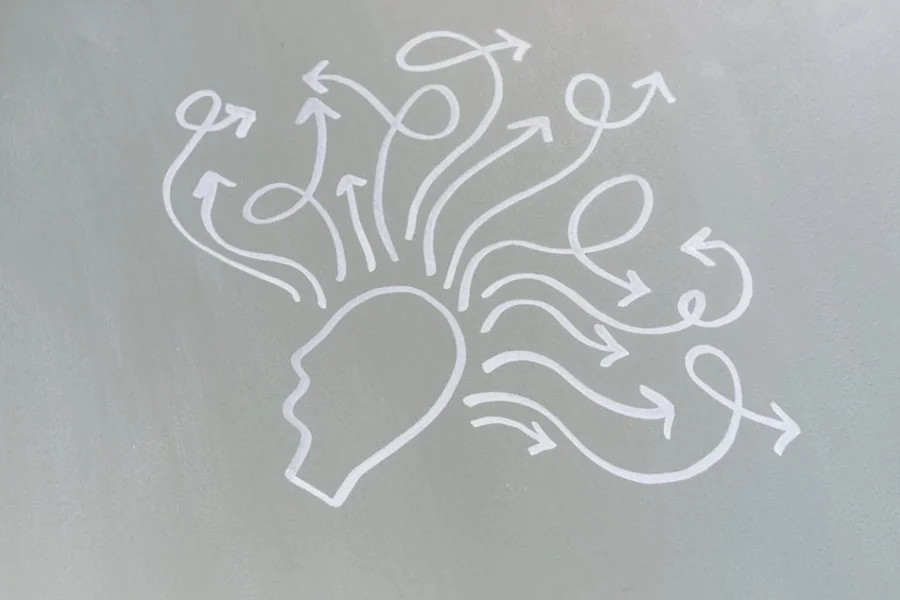
We make thousands of decisions every day: what to eat for breakfast, how to get to work, what kind of coffee to order. We like to believe all of these decisions are rational ones, carefully considered, based on objective analysis. But cognitive science tells a different story: our minds are governed by cognitive shortcuts, known as heuristics—methods that are simple and usually helpful, but also potentially misleading, resulting in quick, knee-jerk responses that can be as damaging as they are illuminating.
Evolutionary Origins of Mental Shortcuts
Cognitive biases developed in response to survival pressures, helping our ancestors to make rapid decisions in matters of life and death. In the complexity of the present day world these same mental shortcuts can result in poor financial decisions, relationship difficulties and missed opportunities. Knowing these biases doesn’t make them go away—they’re part of the built-in flaws of human thinking—but it can help us make better decisions.
The Power of Confirmation Bias
One of the most subversive factors in daily decision-making is confirmation bias. We naturally look for evidence that supports what we already believe and dismiss that which doesn’t. We can see this manifested when we read only the news sources that we agree with politically, or when we ignore negative reviews of a product we want to buy. Social media algorithms capitalize on this bias by showing us more content like what we’ve engaged with previously.
Common Biases in Everyday Life
Our day-to-day decisions are influenced by numerous other biases:
- Anchoring bias: We place too much importance on the first piece of information we see
- Availability heuristic: We assess the likelihood of events by their availability in memory
- Loss aversion: We feel the pain of losing something twice as acutely as the pleasure of gaining it
- Sunk-cost fallacy: We continue investing because we’ve already invested resources in the past
- Authority bias: We believe opinions of authority figures to be more accurate
How It Plays Out in Life
These biases show up in countless ways in daily life. The anchoring bias impacts how we negotiate—whether we’re purchasing a car or asking for a raise, the first number shapes the entire conversation. The availability heuristic makes us overestimate dramatic, rare events like plane crashes while underestimating common risks like heart disease. Our decision to try a popular game on outlets such as JILI may be driven more by social proof and availability bias than by our true interests.
The Financial Toll of Bias-Based Thinking
Loss aversion is why we hold on to losing investments too long and why stores frame discounts as money saved, not money spent. The sunk cost fallacy makes us stay in unfulfilling relationships or jobs because we’ve already invested so much time and energy.
Building Awareness for Better Decisions
Identifying these patterns is the first step toward better decision-making. Successful investors, negotiators and leaders work to mitigate their biases through systematic processes, diverse perspectives, and cooling-off periods for important decisions.
Wrapping Up
Cognitive biases are not weaknesses to be ashamed of—they are universal features of human psychology that affect everyone regardless of intelligence or education. By learning about how our minds work, we can be more aware when these shortcuts might be steering us toward incorrect conclusions. The goal isn’t perfect rationality but more thoughtful decision-making that accounts for our predictable mental tendencies.