We like to think of the internet as clean. Invisible. Harmless. It doesn’t leave coffee cups in landfills or exhaust fumes in traffic. But here’s the uncomfortable truth: our digital lives come with a very real environmental price tag.
Every time you hit “search,” stream a video, fire off an email, or download another app, you’re using energy. Real electricity, from real power grids, much of it still tied to fossil fuels. The more digital we get, the bigger our carbon footprint becomes – even if it’s hiding behind touchscreens and Wi-Fi signals.
The small stuff isn’t that small anymore
Let’s talk about everyday things we barely think twice about.
- Google searches: Just one uses around 0.0003 kilowatt-hours (kWh) of electricity. That’s nothing on its own. But multiply it by the 8 billion searches happening every single day, and it adds up fast.
- Streaming: Watching your favorite series on a decent-sized LED TV uses about 0.055 kWh per hour. Again, not bad… until you binge for six hours while your phone charges on the side.
- Emails: A single email? Basically a sneeze in terms of emissions. But when you’re sending 50 a day, many with attachments, it starts snowballing.
- AI art: Generating a cute Studio Ghibli-style profile pic with your favorite AI tool? Surprisingly energy-hungry. Training and running those models draws serious power – often more than you’d expect for something that looks so charmingly innocent.
- App downloads: Even something as ordinary as installing the YYY casino app uses energy – on your phone, your router, and the data centers pushing the files out to you. It’s not a massive hit on its own, but those micro-actions stack up over time.
So who’s actually doing anything about it?
Here’s the upside: the digital giants know they’re guzzling power. And a few are actually doing something about it.
- Google wants to run entirely on carbon-free energy by 2030.
- Microsoft is aiming to be carbon negative, meaning they’ll remove more emissions than they produce.
- Amazon has been investing in small modular nuclear reactors (yep, actual nuclear tech) to power data centers.
- Netflix has pledged to cut its emissions in half by the end of the decade.
- And the companies behind platforms like the كازينو YYY are working to reduce their backend energy usage through smarter, more efficient infrastructure.
These moves aren’t just greenwashing PR stunts anymore. With AI models, blockchain, and immersive gaming exploding in popularity, the stakes are way too high. If we don’t start designing energy efficiency into our digital experiences now, we’ll be backpedaling hard in a few years.
What’s coming by 2030?
Data centers already suck up a chunk of the world’s electricity. By 2026, the International Energy Agency expects them to consume over 1,000 terawatt-hours per year. That’s about the same as Japan’s entire annual electricity use.
To deal with that, we’re going to need cleaner power – fast. Some companies are experimenting with wild stuff like enhanced rock weathering (basically using crushed rocks to suck CO₂ out of the air), while others are backing modular nuclear tech that could keep data centers running 24/7 without emissions.
Will it be enough? Hard to say. But if current trends keep scaling without cleaner energy sources to match, we’re going to be looking at a digital carbon footprint that’s bigger than most countries.
What can you actually do?
Nobody’s asking you to quit the internet. That’s not happening. But you can make small, smart choices that lower your impact:
- Support platforms and apps that are transparent about their emissions.
- Download only what you need — and clear out the apps you don’t use anymore. You know the ones.
- Turn off autoplay when you’re not paying attention, especially on video-heavy apps.
- Stream in standard definition when the quality isn’t make-or-break. Not every spin, scroll, or animation needs to be in ultra HD.
- Keep your devices longer. Upgrading every year isn’t just expensive – it’s also an energy drain you probably don’t need.
Even the team behind the YYY casino app is reworking their platform to be more efficient under the hood. Lighter loads, cleaner code, better performance. It’s the kind of quiet progress that doesn’t show up in marketing banners, but it matters.
It’s not about being perfect. It’s about being intentional – and that’s a mindset shift that fits pretty well with everything else in life, too.
Make It Count, One Tap at a Time
We don’t get to hide behind the idea that “it’s just online” anymore. Digital convenience doesn’t mean invisible impact. Every email, every stream, every download – they all cost something.
But this isn’t a guilt trip. It’s a reminder that tech can be both awesome and thoughtful. And if we’re going to keep living our lives online (which, let’s be honest, we are), we’ve got to be a little more aware of the power behind our pixels.
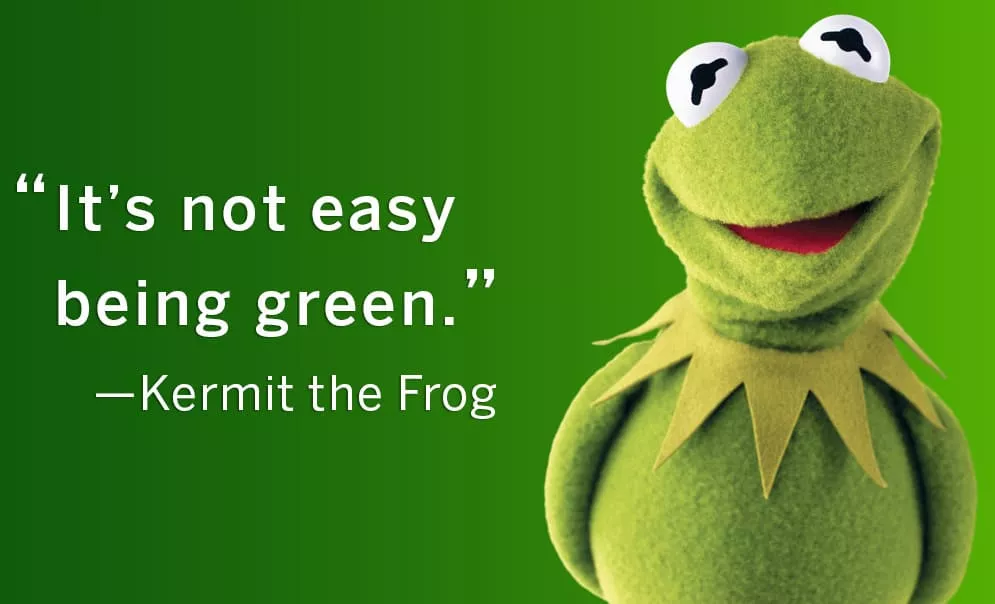
It’s not easy being green in the digital age – but it’s not impossible either.