
You know that moment when traffic noise sneaks into your living room, dust settles on your freshly cleaned sofa, and your AC bill looks like a phone number? That’s usually when homeowners think, “Maybe I should upgrade my windows,” and suddenly, uPVC windows start popping up everywhere, ranging from ads and neighbours’ homes to Google searches at 1 AM.
However, before you delve into the details, let’s talk because selecting the right uPVC window design isn’t just a one-time thing; it’s a long-term relationship with your home. This is why here are 10 things that you really need to know fast before buying uPVC windows.
1. Insulation is Important
The most important aspect of uPVC windows is that they are renowned for thermal insulation. These windows keep heat out in summer and trap warmth in winter, like a cozy jacket for your home. This is why you need to look for multi-chamber profiles and double glazing in your uPVC windows with grills for maximum comfort.
2. Noise Reduction is Life-Changing
If you live near a busy road, school, or construction zone, good windows aren’t a mere luxury; they are therapy. Double or triple glazing can cut the noise dramatically, which is why many homeowners report an immense amount of noise reduction with high-quality uPVC windows.
3. Every uPVC Window is Different
Cheap uPVC windows can turn yellow, brittle, and sad within a few years, which is why you need to consider the following factors before choosing uPVC windows:
- UV resistance
- Wall thickness
- Reinforcement inside frames
High-quality material today means fewer regrets tomorrow, so while you are selecting uPVC sliding windows or casement windows, don’t forget to analyse the quality.
4. Security Matters More than Aesthetics
Pretty windows are good, but secure windows are incredible. While selecting uPVC casement windows or uPVC windows in general, look for:
- Multi-point locking systems
- Steel reinforcement
- Tamper-resistant hardware
Your window should protect your home, not just decorate it, and you need to consider the security too.
5. Design Should Match Your Home’s Personality
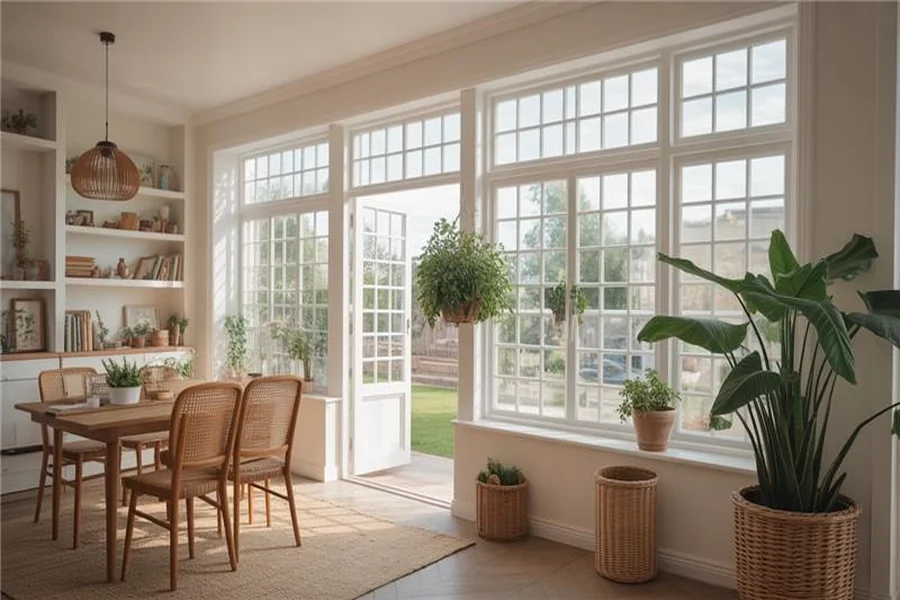
Do you have a modern villa, a cozy apartment, or a classic bungalow? Well, uPVC windows come in various styles, including sliding, casement, tilt-and-turn, and bay styles, as well as wood-like finishes. Instead of just following what’s popular, select a design that truly feels like you and brings out your home’s unique personality.
6. Maintenance Should be Minimal (and it is!)
One of the biggest perks of uPVC windows is that they don’t need any repainting or prone to rust. A simple wipe with soap water every week, and you will be done with the maintenance.
7. Energy Efficiency to Save Real Money
Energy-efficient uPVC windows help you save real money by reducing heat loss in winter and keeping your home cooler in summer. This means your air conditioner and heater don’t have to work as hard, lowering electricity bills month after month. Their multi-chamber design and tight sealing also prevent air leaks to ensure consistent indoor temperatures and long-term savings on energy costs as well as maintenance.
8. Check the Glass Options Carefully
Glass does the heavy lifting in terms of uPVC windows. This is why, when it comes to glass, ask about:
| Glass Type | Best For |
| Single Glazed | Budget projects |
| Double Glazed | Insulation +noise control |
| Low-E Glass | Heat reflection |
| Toughened Glass | Safety |
9. Installation Can Make or Break Everything
Even premium windows fail with poor installation, which is why you need to ensure:
- Proper sealing
- Alignment
- Warranty on installation
10. Think about Long-Term, Not Just Price
Yes, uPVC windows cost more than wood. But they last for years, require minimal maintenance, and slash energy bills. This is not an expensive choice; it represents smart investing while remaining within an affordable price range.
Bonus Tip: Ventilation Design Matters More Than You Think
Not every window needs to fully swing open because there are options like tilt-and-turn or sliding windows with ventilation slots that allow fresh air without inviting mosquitoes, dust, or rain to the party.
Conclusion
Buying uPVC windows isn’t just about replacing glass; it’s about upgrading your lifestyle with better sleep, lower bills, less noise, more comfort, and fewer “why didn’t I do this earlier?” moments. So, take your time, ask questions, compare options, and your future self will thank you.
Looking for high-quality uPVC windows that can make your space energy efficient? Reach out to the team at Ökotech today!
Key Takeaways:
- Focus on insulation and noise reduction first
- Choose quality uPVC with UV resistance
- Pick the right glass type
- Never compromise on installation
- Look beyond price, think long-term value
- Always check security features and warranty
FAQs
- How long do uPVC windows actually last?
With good quality material and proper installation, uPVC windows can easily last 25–35 years. They don’t rust, warp, or rot like wood or metal, so aging is slow and graceful.
- Are uPVC windows effective in reducing electricity bills?
Yes! Thanks to their insulation, many homes see noticeable drops in AC usage.
- Will uPVC windows turn yellow over time?
Only low-quality ones do. Premium uPVC comes with UV stabilisers that keep the colour intact even in harsh sunlight.
- Are they safe during heavy rain and storms?
Absolutely. uPVC windows are water-tight, wind-resistant, and designed to handle tough weather conditions.