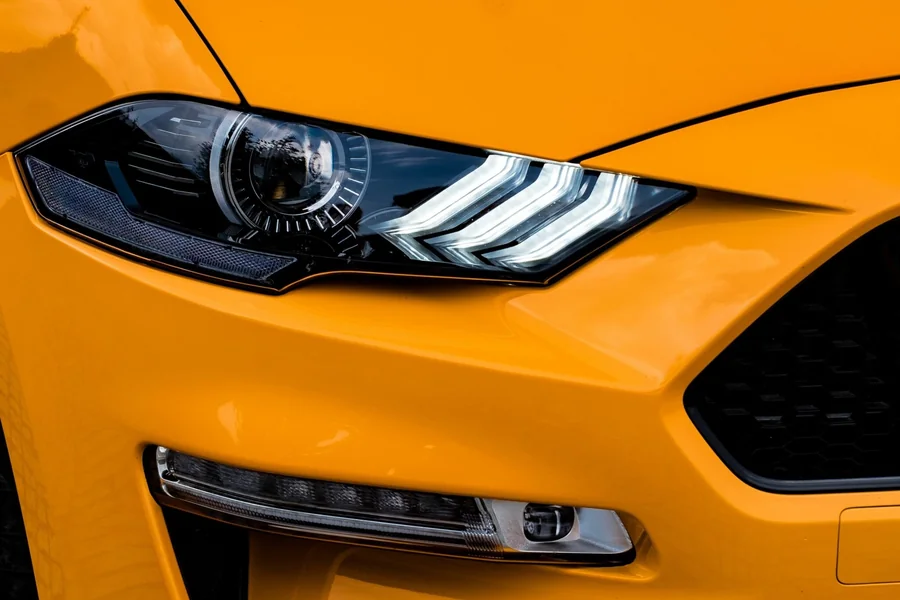
Flickering car lights may seem like a minor inconvenience at first, but they often point to deeper electrical or mechanical problems that should not be ignored. Whether the issue affects headlights, dashboard indicators, or interior lighting, inconsistent illumination reduces visibility and can compromise driving safety.
In some cases, flickering lights are caused by normal electrical fluctuations. In others, they signal failing components or hidden wiring damage that can worsen over time. Understanding the underlying causes helps vehicle owners act early, avoid expensive repairs, and keep their cars safe and reliable on the road.
Why Flickering Lights Should Never Be Ignored
A vehicle’s lighting system depends on a steady electrical supply. When lights flicker, it indicates that power delivery is being interrupted somewhere in the system. While brief flickering during engine start-up can be normal, persistent or repeated flickering while driving is not.
Ignoring this warning can lead to sudden light failure at night, battery drain, and damage to sensitive electronic systems. In poor weather or low-visibility conditions, flickering lights significantly increase the risk of accidents. Because modern vehicles rely heavily on electronics, even minor electrical faults can escalate quickly if left unaddressed.
Common Causes of Flickering Car Lights
There are several reasons why vehicle lights may flicker, ranging from mechanical wear to electrical faults.
Battery-Related Issues
A weak or ageing battery is one of the most common causes of flickering lights. As batteries lose their ability to hold a charge, the voltage supply becomes inconsistent. This may result in headlights dimming or flickering, along with slow engine starts or erratic electronic behaviour.
Routine maintenance, including a scheduled log book service, helps ensure the battery and charging system are checked before problems escalate.
Alternator and Charging System Faults
The alternator supplies electrical power while the engine is running and recharges the battery. If it begins to fail, the voltage output can fluctuate, causing lights to brighten and dim unexpectedly. Flickering is often more noticeable when accelerating or when multiple electrical systems are operating simultaneously.
Left unresolved, alternator issues can lead to complete electrical failure.
Faulty or Loose Wiring
Wiring connections can loosen, corrode, or degrade over time due to vibration, moisture, and heat. Even small wiring faults can interrupt power flow and cause intermittent flickering. These issues are often hidden behind panels or within the engine bay, making professional inspection essential.
How Pest Activity Can Affect Vehicle Electrical Systems
One commonly overlooked cause of electrical issues is pest activity. Vehicles provide warmth, shelter, and protection, making engine bays and dashboards attractive nesting areas for insects and rodents.
Rodents may chew through wiring insulation, sensor cables, and electrical connectors. Even minor damage can disrupt electrical signals and lead to flickering lights. Over time, repeated chewing can result in short circuits or complete electrical failure.
Cockroaches can also infest vehicles, particularly those parked for long periods or near food sources. They are drawn to warmth and dark, enclosed spaces inside dashboards and engine compartments.
Electrical Problems Linked to Pest Infestations
Pest-related electrical damage often results in:
- Chewed wiring insulation is causing short circuits
- Nesting materials blocking airflow or electrical pathways
- Corrosion from droppings and trapped moisture
- Intermittent electrical faults, including flickering lights
In cases where ongoing pest activity is detected, engaging a professional pest control service is essential. Addressing pest presence alongside electrical repairs helps prevent repeat damage and protects the vehicle’s internal systems over the long term.
When cockroach activity is specifically identified inside dashboards or engine compartments, targeted cockroach extermination may be required to eliminate nests and stop further electrical interference.
What to Do If Your Car’s Lights Are Flickering
Arrange a Professional Electrical Inspection
If flickering persists, a qualified mechanic should inspect the electrical system. This includes checking the battery, alternator, wiring, and related components. Proper diagnostics ensure faults are identified accurately and repaired correctly.
Booking a routine log book service ensures manufacturer-recommended inspections are carried out, helping detect electrical issues early.
Check for Signs of Pest Activity
If wiring damage or unexplained electrical faults are present, inspecting for pest activity is important. Common warning signs include:
- Chew marks on wires or hoses
- Nesting material under the bonnet
- Unusual smells or debris inside the engine bay
If pests are found, professional treatment should be arranged promptly to prevent ongoing damage.
Avoid Delaying Repairs
Electrical issues rarely resolve on their own. Delaying repairs increases the risk of total light failure, battery drain, and safety hazards while driving at night or in poor weather conditions. Early action reduces costs and prevents further complications.
Preventing Future Electrical and Pest-Related Damage
Preventative care plays a key role in avoiding flickering light problems. Regular vehicle servicing allows technicians to identify early signs of electrical wear before noticeable symptoms develop.
Keeping vehicles clean and free of food residue reduces pest attraction. Parking in enclosed, well-lit areas also discourages rodents and insects from nesting. In locations where pests are common, periodic inspections and preventative measures provide additional protection.
Wrap-Up
Flickering car lights are more than a minor nuisance. They are a clear warning that something within the vehicle’s electrical system is not functioning as it should. Whether caused by a failing battery, alternator issues, damaged wiring, or pest activity, early intervention is essential.
Regular servicing, including scheduled log book services, combined with prompt electrical inspections and professional pest control services when required, helps keep vehicles safe, reliable, and free from unexpected electrical failures.
Frequently Asked Questions
Why do my car lights flicker while driving?
Flickering lights usually indicate electrical instability caused by battery issues, alternator faults, wiring damage, or sensor problems.
Can flickering lights drain my battery?
Yes. Ongoing electrical faults can place extra strain on the battery and lead to premature failure.
Can pests really damage car wiring?
Yes. Rodents and cockroaches can chew or contaminate wiring, causing short circuits and intermittent electrical problems.
Will a log book service check electrical systems?
Yes. A log book service includes manufacturer-recommended inspections that help detect battery, alternator, and wiring issues early.
When is cockroach extermination necessary for vehicles?
If cockroaches are nesting inside dashboards or engine compartments, professional extermination is required to prevent ongoing damage.
How can I prevent pest-related vehicle damage?
Regular inspections, clean parking areas, and engaging a professional pest control service in high-risk environments help reduce infestations.