
Weekend trips often involve a mix of essential electronics, comfort devices, and small appliances that require reliable power. Choosing the right power station ensures that phones stay charged, lights remain on, and small appliances can run without interruptions. Misjudging capacity can lead to unexpected shutdowns or limit the enjoyment of a trip. Understanding power requirements, safety buffers, and practical use cases helps travelers make informed decisions. In this article, guidance is provided for sizing a portable power station to suit typical weekend excursions.
1. Identify What You Need to Power
List Essential Electronics (Phones, Lights, Cameras)
The first step is identifying devices that are critical for the trip. Smartphones, cameras, tablets, and small lights form the backbone of most weekend adventures. Keeping these devices operational ensures communication, navigation, and safety. Considering how often each device will be used helps refine total energy needs. Accounting for essential electronics first provides a reliable baseline for sizing.
Note: Any Small Appliances (Fan, Mini Cooler, Coffee Maker)
Small appliances can add a significant load, even on a short trip. Portable fans, mini coolers, and coffee makers enhance comfort but also draw more energy than typical electronics. Recognizing these devices early allows travelers to plan power usage efficiently. The combination of essential electronics and comfort appliances determines the minimum required capacity. Including all small appliances in the planning stage prevents surprises during the trip.
2. Calculate Your Total Power Needs
Add Up Watt-Hours for All Devices
Once devices are listed, calculate their individual energy consumption in watt-hours. Multiplying each device’s wattage by the expected hours of use provides a rough estimate. Summing these values gives the total power requirement for the trip. This step ensures that the power station selected can handle the combined load without overtaxing the battery. Accurate calculation avoids mid-trip power shortages.
Include a 20-30% Safety Buffer
Adding a safety buffer to the total watt-hour calculation accommodates unexpected usage or device overdraw. A 20-30% buffer is generally recommended for weekend trips. This ensures that minor variations in power consumption do not lead to early depletion. Factoring in this margin supports reliability and peace of mind. Planning with a safety buffer increases the likelihood that all devices will function smoothly throughout the trip.
3. Choose the Right Capacity
Basic Charging (Phones/Lights): 300-500Wh
For trips focused on essential electronics and small lighting, a compact 300-500Wh power station is often sufficient. These units are lightweight and easy to carry, making them ideal for backpacking or short excursions. They can charge phones multiple times and power small LEDs without issue. Compact stations maximize portability without sacrificing reliability. Choosing the correct size for basic needs ensures minimal weight while maintaining essential functionality.
Added Comfort (Laptop/Fan): 500-1000Wh
If travelers want additional comfort, such as running a laptop or a portable fan, a larger 500-1000Wh station is recommended. This capacity supports more frequent device use or multiple devices simultaneously. It balances portability with the ability to handle slightly higher loads. Users can enjoy a more comfortable trip without worrying about rapid depletion. Mid-range stations provide a flexible solution for longer days or additional devices.
Powering Appliances (Grill/Cooler): 1000Wh+
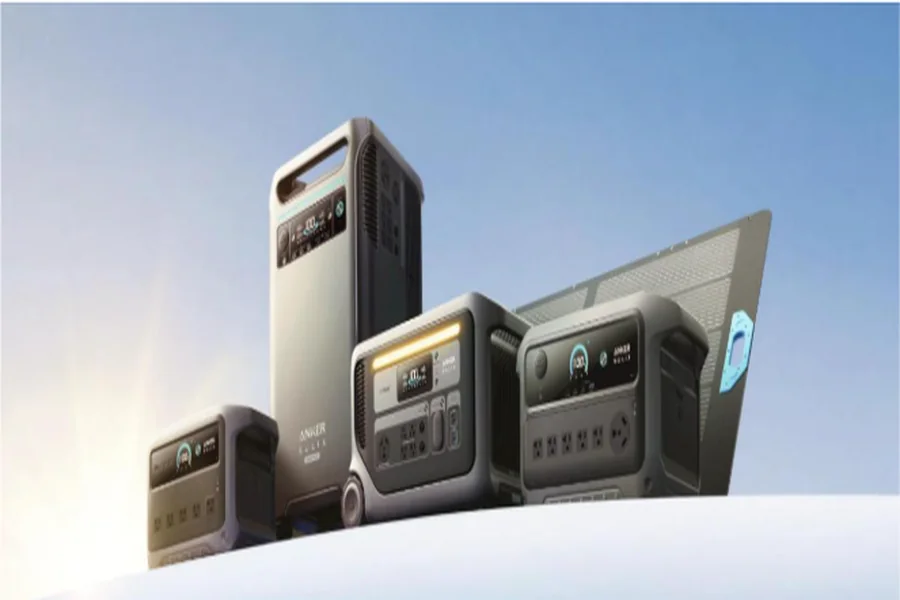
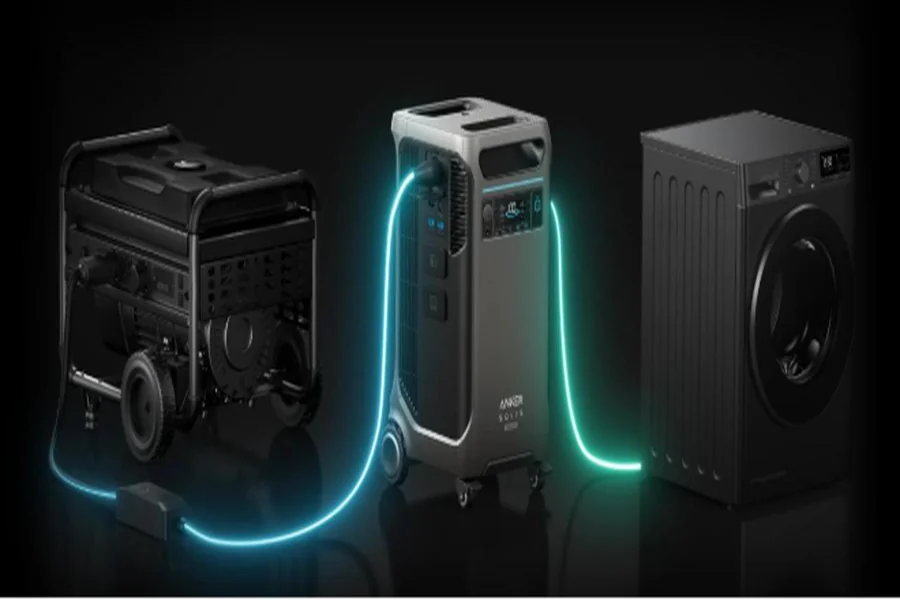
For high-demand appliances like electric grills, mini coolers, or small kitchen devices, a 1000Wh or larger unit is necessary. A model such as the Anker SOLIX F3800 Plus Portable Power Station, with 3,840Wh capacity, allows users to run heavy loads while still powering smaller electronics. Its high output ensures that appliances operate reliably for extended periods, making it well-suited for car camping or longer weekend trips. Choosing an appropriately sized unit ensures energy demands are met without interruption.
4. Plan for Recharging
Ensure It Can Recharge via Car or Solar
A power station should be compatible with convenient charging options, such as car adapters or portable solar panels. This flexibility allows travelers to extend usage during multi-day trips. Car charging is ideal for driving between locations, while solar panels can provide ongoing energy at campsites. Understanding available recharge methods ensures the station remains usable throughout the trip. Compatibility with multiple sources adds reliability and convenience.
Match Charging Speed to Your Trip Schedule
Charging speed should align with how long the station will be off-grid. Faster charging options reduce downtime between use cycles. Matching station recharge rates with planned trip activities ensures devices remain powered when needed. Consideration of recharge time helps avoid periods when devices cannot be used. Efficient planning allows the station to support both electronics and appliances continuously.
5. Finalize Your Choice
Prioritize Lightweight for Backpacking
For trips where portability is critical, choosing a lightweight, lower-capacity station is ideal. Compact units provide the necessary power for essentials without adding excessive weight. This consideration is particularly important for hiking or tent camping. Balancing weight and capacity ensures comfort without compromising reliability. Selecting the right size simplifies packing and enhances mobility.
Choose Higher Capacity for Car Camping
For car-based trips where weight is less of an issue, a larger capacity station provides more flexibility. This allows travelers to run multiple appliances, lights, and electronics simultaneously. It ensures the energy supply lasts throughout the trip with minimal need for recharging. Car camping setups benefit from the additional capacity to improve comfort and convenience. Higher-capacity stations support a more versatile and enjoyable outdoor experience.
Conclusion
Selecting the right power station for a weekend trip requires evaluating device needs, calculating total watt-hours, and considering portability and recharge options. Compact units suit essential electronics and lights, mid-range models add comfort devices, and high-capacity stations like the Anker SOLIX F3800 Plus accommodate grills, mini coolers, and other appliances. Factoring in safety buffers and recharge methods ensures reliable power throughout the trip. Proper planning allows travelers to enjoy extended outdoor adventures without energy interruptions. Understanding these considerations ensures a smooth, practical, and enjoyable weekend away.