
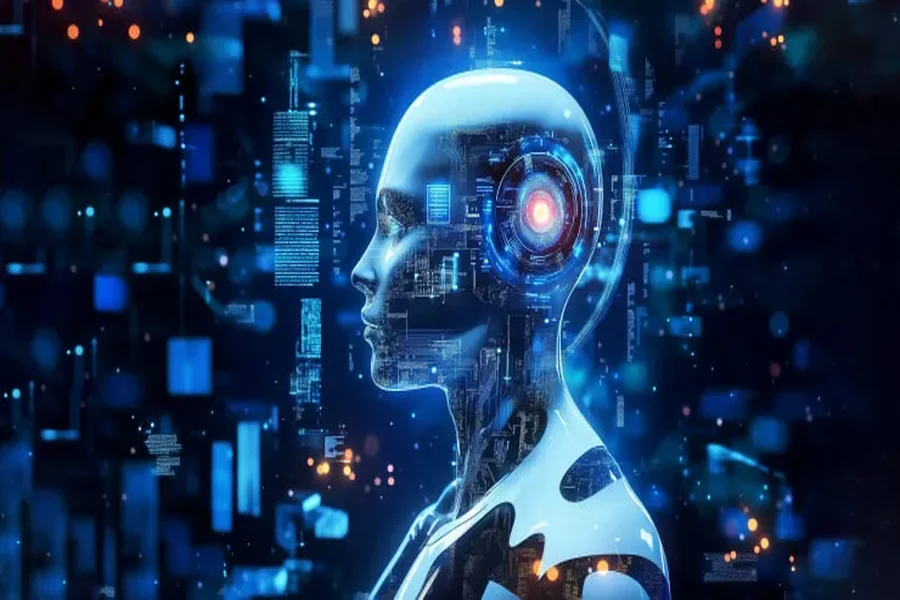
Education has always been a cornerstone of societal progress, evolving over centuries to adapt to new challenges and technologies. As we approach 2025, artificial intelligence (AI) is poised to revolutionize the educational landscape in unprecedented ways. From personalized learning experiences to intelligent tutoring systems, AI is reshaping how students learn, teachers teach, and institutions operate.
In this article, we explore the role of AI in future education, key trends to watch in 2025, and what this means for learners and educators alike.
Understanding AI in Education
Artificial Intelligence refers to computer systems capable of performing tasks that typically require human intelligence. In education, AI technologies range from machine learning algorithms and natural language processing to robotics and intelligent software.
AI’s core promise in education is to enhance learning outcomes by making teaching more adaptive, accessible, and efficient. Instead of a one-size-fits-all approach, AI can tailor education to individual student needs, styles, and paces.
Key AI-Driven Trends in Education for 2025
1. Personalized Learning Experiences
One of the most transformative impacts of AI in education is the development of personalized learning pathways.
-
AI systems analyze students’ learning habits, strengths, and weaknesses.
-
Adaptive platforms adjust content difficulty and delivery style to fit each learner.
-
Students receive real-time feedback and targeted resources, maximizing engagement and retention.
This shift empowers students to take control of their education, fostering self-paced and mastery-based learning.
2. Intelligent Tutoring Systems (ITS)
AI-powered tutoring systems simulate one-on-one human tutoring by providing personalized support.
-
These systems can answer questions, offer hints, and guide problem-solving.
-
They are available 24/7, making learning flexible beyond classroom hours.
-
Examples include language learning bots, math problem solvers, and virtual science labs.
ITS helps fill gaps in student understanding and supplements teacher instruction, especially in under-resourced areas.
For continuous updates on AI innovations and educational trends, visit The Editorialge.
3. Automation of Administrative Tasks
AI automates time-consuming administrative duties, freeing educators to focus more on teaching.
-
Grading of multiple-choice and even essay questions can be expedited.
-
AI manages attendance, scheduling, and student performance tracking.
-
Predictive analytics identify students at risk of falling behind, allowing timely intervention.
This efficiency improves educational management and outcomes.
4. Enhanced Accessibility and Inclusivity
AI promotes inclusive education by supporting learners with disabilities and diverse needs.
-
Speech-to-text and text-to-speech technologies assist students with visual or hearing impairments.
-
AI-driven translation tools break down language barriers in multilingual classrooms.
-
Customizable interfaces adapt content for neurodiverse learners, such as those with dyslexia or ADHD.
These tools ensure education is equitable and accessible to all.
5. Virtual and Augmented Reality Integration
While VR and AR are distinct technologies, AI enhances their effectiveness in education.
-
AI personalizes VR/AR experiences based on student progress.
-
Simulations in subjects like medicine, history, or engineering become more immersive and adaptive.
-
Virtual classrooms with AI-driven avatars provide interactive learning environments.
The combination of AI with VR/AR offers experiential learning beyond textbooks.
How AI is Changing the Role of Educators
Contrary to fears of replacement, AI is transforming teachers’ roles into facilitators, mentors, and content curators.
-
Teachers gain insights from AI analytics to tailor instruction.
-
They focus on critical thinking, creativity, and socio-emotional skills that AI cannot replicate.
-
Continuous professional development is supported by AI-driven training programs.
The human touch remains irreplaceable, but AI amplifies teacher effectiveness.
Challenges and Ethical Considerations
While AI holds great promise, there are challenges to address:
-
Data Privacy: Protecting student data from misuse or breaches is paramount.
-
Bias in AI Algorithms: AI systems must be trained on diverse data to avoid reinforcing stereotypes or inequalities.
-
Digital Divide: Equitable access to AI-powered tools is essential to prevent widening educational gaps.
-
Teacher Training: Educators need support and training to effectively integrate AI tools.
Thoughtful policy and collaboration among educators, technologists, and policymakers are critical.
The Future Outlook: What to Expect Beyond 2025
As AI technologies mature, education will continue to evolve:
-
Lifelong Learning Platforms: AI will support continuous upskilling and reskilling across careers.
-
Emotional AI: Systems capable of recognizing and responding to student emotions could tailor motivational strategies.
-
Global Collaborative Learning: AI will facilitate cross-cultural virtual classrooms, connecting learners worldwide.
-
Hybrid Learning Models: Combining in-person and AI-enhanced digital learning for flexible education.
These trends signal a future where education is truly learner-centered and globally connected.
Why Stay Informed on AI and Education?
For educators, students, parents, and policymakers, understanding AI’s role in education is crucial for navigating future opportunities and challenges.
Conclusion
AI is no longer a futuristic concept in education—it is here, actively shaping learning experiences in 2025 and beyond. By personalizing education, augmenting teaching, and making learning more accessible, AI holds the potential to democratize knowledge and empower learners worldwide.
However, realizing this potential requires mindful implementation that prioritizes ethics, equity, and human values. As we watch these trends unfold, educators and learners alike must embrace AI thoughtfully to build a more inclusive and effective educational future, as shared by Infotrend.