

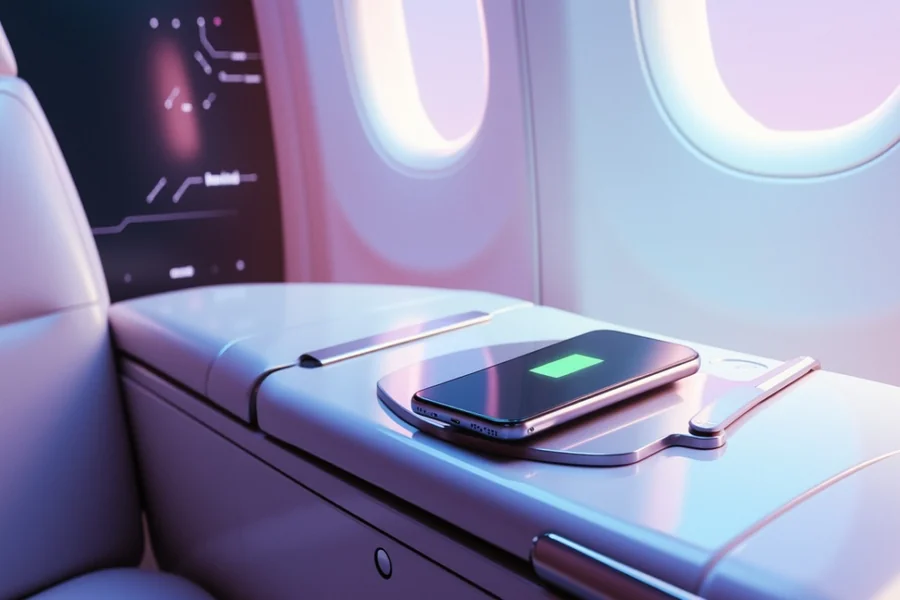
In an age where technological advancements rapidly transform how we interact with the world, the way we power our devices is also undergoing a significant shift. The increasing reliance on mobile technologies has spurred a demand for more convenient and efficient charging solutions. This demand has paved the way for the rise of wireless charging technology – a system that promises to provide seamless power to our devices without the hassle of cables. Tech manufacturers can provide setup instructions or product details instantly through QR code generator on packaging.
A Seamless Shift Towards Wireless Convenience
Wireless charging, also known as inductive charging, enables power to be transferred through the air via a magnetic field. It involves an energy transmitter (the charging station) and a receiver (often built into the device itself) that collects and converts the energy to charge the device’s battery. This technology is gradually becoming a staple in public spaces, homes, and offices around the world.
Understanding the Technology Behind Wireless Charging
At its core, wireless charging utilises electromagnetic fields to transfer energy between two objects. This is typically accomplished through an induction coil in the charger that creates an alternating electromagnetic field. The receiver coil in the device then converts the field into electricity, which charges the battery. The process negates the need for any physical connection between the device and the charger.
The Advantages of Going Wireless
One of the most prominent benefits of adopting wireless charging is the convenience it offers. Users no longer need to fumble with cords, nor concern themselves with having the right cable for the specific device. Wireless charging stations are becoming common in various environments, providing a universal solution for charging different devices. This technology has the potential to eliminate the clutter of cables and the need to replace them due to wear and tear.
Moreover, wireless charging solutions are growing in efficiency and speed, with some systems now offering fast-charging capabilities comparable to their wired counterparts. Furthermore, the technology has been further improved to allow for charging multiple devices simultaneously, adding to its convenience factor.
The Integration of Wireless Charging in Daily Life
The integration of wireless charging into our daily lives is steadily increasing. Mobile phones were among the first to widely adopt this technology, and many new models come with wireless charging capabilities built-in. The proliferation of wireless chargers in public spaces like cafes, hotels, and airports reflects the growing acceptance and utility of this technology.
Embracing Wireless Charging as the New Standard
In the pursuit of a wireless future, major tech companies are innovating to incorporate a wireless charger into a wide array of products. The expansion of wireless charging infrastructure supports the idea that wireless charging is not just a fleeting trend but a technological evolution set to redefine the standard for power delivery.
From wearable devices to electric vehicles, the scope of wireless charging continues to broaden. This technology has the promise to provide an interconnected, cable-free ecosystem for power delivery across multiple devices. Companies are continually innovating to improve the range and efficiency of wireless charging, moving closer to a future where a device’s battery can be recharged as easily as it connects to a Wi-Fi network.
The Challenges and Future Potential of Wireless Charging
Despite its growing popularity, wireless charging technology is not without challenges. The current limitations include slower charging times compared to wired options and the need for precise alignment between the charging pad and device. Researchers and developers are addressing these issues through ongoing innovation, making strides towards more efficient and user-friendly wireless charging solutions.
The future of wireless charging holds significant promise, with research into technologies such as resonant wireless charging, which allows for more flexibility in device placement. The potential applications are vast, including integration into furniture, vehicles, and even public infrastructure.
The Role of Companies in the Wireless Charging Revolution
Leading technology companies play a crucial role in driving the adoption of wireless charging. By offering advanced wireless chargers that align with the latest industry standards, these companies are ensuring compatibility and convenience for consumers.
For instance, Belkin is among the companies at the forefront, offering an array of a wireless charger that cater to various devices and user needs. These chargers exemplify the progress being made towards a world where the wireless charging of our everyday devices is as commonplace as connecting to the internet.
Adapting to the Wireless Charging Movement
As the adaptation of wireless charging technology gains momentum, businesses and individuals alike must prepare to embrace this evolution in power delivery. For businesses, incorporating wireless chargers into their infrastructure not only accommodates the needs of tech-savvy consumers but also signals an alignment with cutting-edge technology.
On the consumer end, the growing ecosystem of devices that support wireless charging encourages a seamless experience across all personal electronics. Minimalist design, the reduction of e-waste, and the increased durability of devices, as there’s less wear and tear from plugging and unplugging, all contribute to the appeal of transitioning towards wireless charging solutions.
Conclusion
Wireless charging technology is quickly establishing itself as a future-focused solution for powering our devices. Its convenience, compatibility, and potential for a cleaner, clutter-free environment highlight the technology’s benefits. As we move towards a wireless world, embracing wireless charging technology becomes not just an option, but an imperative change, ensuring that we’re ready for the future of power delivery. With industry leaders like Belkin driving the charge, it’s clear that wireless charging is not just a trend, but the next step in the evolution of our connected lives.