

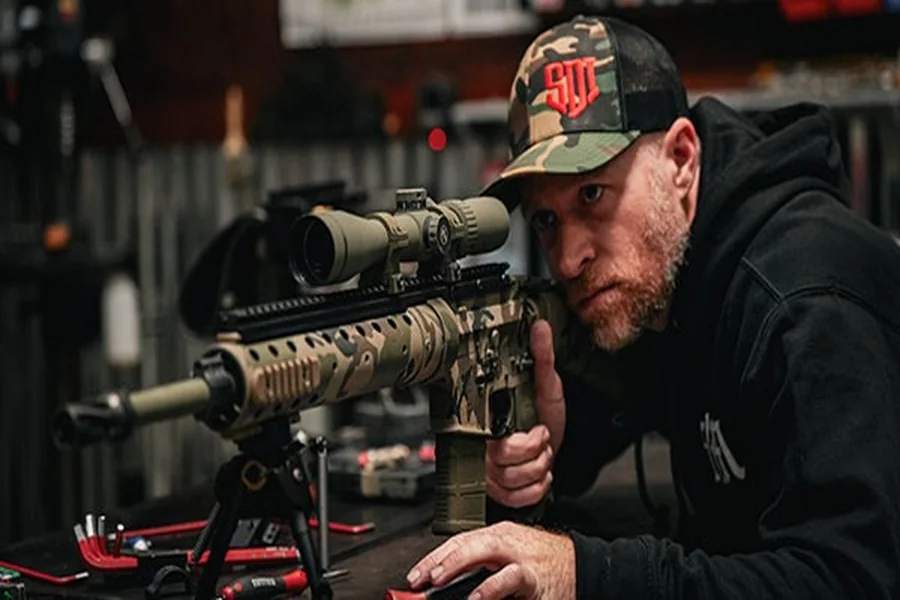
A firearm is more than just a tool; it’s an extension of the shooter. Proper fit plays a crucial role in a firearm’s comfort, control and overall performance. Gunsmiths, with their blend of craftsmanship and technical skill, specialize in tailoring firearm stocks to match the individual shooter’s physical dimensions and shooting style. The Sonoran Desert Institute (SDI), which is accredited by the Distance Education Accrediting Commission (DEAC), highlights the importance of firearm fit and helps students understand the science and art of custom stock adjustments.
Achieving optimal firearm fit involves evaluating a shooter’s build, posture and intended use of the firearm. Through careful adjustments, gunsmiths enhance the shooter’s experience by reducing fatigue, improving sight alignment and increasing accuracy. Whether for hunting, sport shooting or tactical applications, a custom-fitted stock can make all the difference.
The Importance of Stock Fit in Shooting Performance
The stock is the primary point of contact between the shooter and the firearm. When it doesn’t fit properly, it can cause discomfort, inconsistent performance and even injuries over time. Proper stock fit ensures that the shooter’s eye aligns naturally with the sights or optics, that recoil is absorbed effectively and that the firearm feels balanced in the hands.
When a firearm fits properly, it naturally lines up with your aim, making it easier and faster to get on target. You don’t have to fumble or make constant adjustments; it just feels right in your hands. That smooth fit not only boosts speed and accuracy but also builds confidence. On the other hand, a stock that doesn’t fit well can throw everything off. It can cause awkward cheek placement, strain your eyes, and lead to missed shots.
Customization Begins with Ergonomics
Gunsmiths start the customization process by assessing the shooter’s unique characteristics. Factors such as arm length, shoulder width, cheekbone structure and dominant eye all influence how a stock should be shaped and positioned.
Length of Pull (LOP):
LOP is the distance from the trigger to the end of the buttstock. An incorrect LOP can force the shooter to overextend or compress their shooting position, leading to fatigue and inconsistent performance. Adjusting the LOP ensures the shooter can maintain a comfortable and stable stance.
Drop and Cast:
The drop is the vertical distance between the top of the stock and the line of sight. Cast refers to the horizontal alignment of the stock. Adjusting these dimensions helps align the shooter’s eye with the sights. For instance, a right-handed shooter may benefit from a stock with a slight cast-off to naturally center the eye behind the scope or sight.
Comb Height and Cheek Weld:
The comb is the top portion of the stock where the shooter rests their cheek. Adjusting its height allows for a solid cheek weld, improving consistency and comfort. A properly aligned comb ensures that the shooter’s eye is level with the optic or iron sights, minimizing head movement.
Exploring Stock Materials and Their Impact
The choice of stock material impacts the firearm’s fit, feel, durability and balance. Gunsmiths select materials based on the shooter’s needs and environment. Wood stocks are traditional and offer a warm, customizable feel but are sensitive to moisture and temperature. Synthetic stocks, made from polymer or composite, are durable, weather-resistant and lightweight, ideal for tactical or rugged use. Laminate stocks combine wood and resin for added strength and weather resistance, while maintaining visual appeal. Carbon fiber stocks, though costly, are extremely strong and lightweight, often used in precision rifles.
Fitting a stock requires skill and precision. Gunsmiths shape wood and laminate stocks by hand to ensure ergonomic fit. Modern stocks may include adjustable cheek risers, butt plates and spacers, which are fine-tuned for comfort and shooting style. Recoil pads help manage the impact and adjust the length of pull, while glass bedding the action into the stock enhances accuracy by improving stability and reducing movement under recoil.
Practical Benefits of a Custom-Fitted Stock
Custom stock adjustments do more than improve comfort. A proper fit can lead to better performance and less fatigue over time.
Accuracy Gains:
Accuracy improves when the shooter doesn’t have to shift posture or adjust their head position to find the sights. A steady cheek weld, proper alignment and solid shoulder contact all help produce tighter shot groups.
Reduced Recoil Impact:
A proper stock fit helps distribute recoil energy across the shoulder and upper body. That reduces felt recoil, minimizes flinching and allows for quicker follow-up shots.
Enhanced Confidence:
A well-fitted firearm gives the shooter confidence. With the stock adjusted to match their build and stance, they can focus fully on technique and target, rather than compensating for poor fit.
Applications Across Firearm Types
Custom stock fitting isn’t just for hunting rifles or target shooting setups. Gunsmiths use the same techniques to adjust shotguns, tactical carbines and air rifles, tailoring each firearm to the shooter’s build and purpose. In competitive shooting, where milliseconds matter, a fitted stock can improve response time, shot placement and consistency.
For law enforcement and military personnel, custom adjustments take gear and body armor into account. These changes help keep the firearm comfortable, stable and effective in demanding conditions.
Educating the Next Generation of Gunsmiths
Stock customization is a cornerstone of modern gunsmithing education. At Sonoran Desert Institute, students gain hands-on experience with custom stock adjustments as part of a broader training program. The online programs cover the mechanics of stock fitting, along with the ergonomic and physical factors that affect how a firearm is handled. This foundation helps future gunsmiths deliver practical, personalized solutions for individual shooters.
Through coursework that blends traditional methods with modern tools, students learn how to measure, modify and fine-tune stocks across a variety of firearm types. Programs focused on real-world application ensure graduates are prepared for the demands of the field.
Custom stock fitting turns a standard firearm into a tool built around the shooter. From adjusting the length of pull to refining comb height, gunsmiths use a mix of craftsmanship and technical skill to improve balance, accuracy and control. The result is a firearm that fits naturally and performs reliably.