

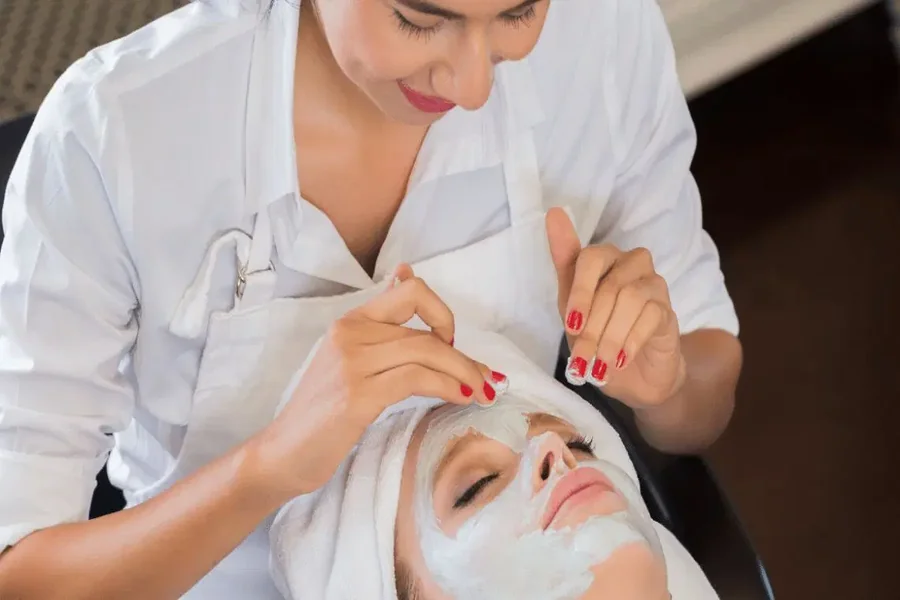
Many estheticians reach a point where working for a spa or salon no longer feels like the right fit. Going independent offers more control over your schedule, your services, and your income. It also means taking on the responsibilities of running a business. Starting with a solid foundation can save you headaches down the road.
Here is what to focus on as you set up your esthetics business.
Licensing, Booth Rent, and Business Registration
Before you take your first independent client, make sure your esthetician license is current and in good standing with your state board. Some states also require a separate establishment license for the space where you provide services, so check whether that applies to you.
Next, decide where you will work. Many independent estheticians start by renting a booth or suite in an existing salon, which comes with lower upfront costs and a built-in client base. Others lease their own space or offer mobile services. Each option has different licensing and insurance considerations, so read your rental agreement carefully and confirm what is included.
You will also need to register your business. Many estheticians start as sole proprietors, but forming an LLC can help separate your personal and business finances and may offer some liability protection. Many new business owners prefer forming your LLC with help from experienced professionals, which can make the process faster and ensure everything is filed correctly. Do not forget to get an EIN, open a business bank account, and check for any local business licenses your city or county requires. Resources focused on business setup for estheticians can walk you through each of these steps.
Tracking Product and Supply Expenses
Product and supply costs are among the largest expenses for most estheticians. Skincare products, wax, disposable supplies, linens, sanitation products, and equipment all add up quickly. Tracking these expenses carefully is one of the best ways to lower your taxable income.
Keep a clear distinction between products used in your services and products you sell to clients. Retail inventory is handled differently for tax purposes, and you may need to collect sales tax on retail sales depending on your state. Keeping separate records for each will make tax time much simpler.
Other common deductions include booth or suite rent, professional liability insurance, continuing education, booking software, marketing, and a portion of your phone bill. Saving receipts and categorizing expenses regularly, ideally each week, prevents a stressful scramble at the end of the year.
As your business grows, reviewing your expenses can also help you price services more accurately and spot opportunities to improve your margins.
Final Thoughts
Going independent is an exciting step, and setting up your business correctly from the start makes everything that follows easier. With your licensing in order, your business properly registered, and a reliable system for tracking expenses, you can focus on building your client base. The right tools built for solopreneurs can help you manage the business side so you can spend more time doing the work you love.