

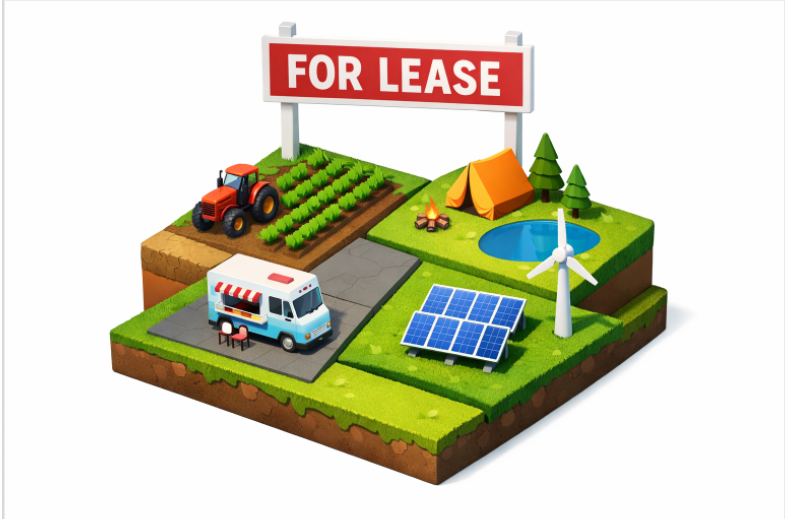
When exploring options to generate income from your property, selling is not the sole path to financial gain. Many landowners are increasingly considering the advantages of renting out land, which allows them to maintain ownership while opening up a reliable revenue stream. This strategy can offer both flexibility and the possibility of long-term appreciation, making it an appealing alternative in today’s real estate market. For more details about whether renting land fits your situation, see Can You Rent Out Land Instead of Selling It?.
Leasing land gives owners control to decide how the property is used, from agriculture to recreation or even renewable energy projects. This approach means you can unlock the value of your land without parting with a valuable asset. It is especially timely as the demand for versatile land use continues to rise across various sectors. Owners should be mindful of key considerations such as location, lease types, legal matters, and how to protect their interests over the life of a rental agreement.
Understanding your options and the rental process can maximize your return while allowing you to benefit from future land appreciation. Whether you own rural acreage, undeveloped lots, or a property in proximity to growing urban centers, the right lease agreement could become a cornerstone of your financial strategy. For those interested in additional property solutions or who wish to explore selling as well, visit https://www.webuylandquick.com/ for more guidance.
Understanding the Benefits of Renting Land
- Steady Income: Land leases often deliver predictable revenue over the duration of the agreement, supporting financial planning and offering a dependable cash flow.
- Asset Retention: Owners retain full title and control of the land, preserving its potential for future use or appreciation in value.
- Flexibility: Short-term and renewable leases allow landowners to adjust arrangements as markets or personal needs change, providing considerable adaptability.
Types of Land Leases
Different lease structures allow property owners to target various markets and maximize returns:
- Agricultural Leases: Landowners can rent acreage for farming, either through a flat-rate (cash rent) or a share of the crops grown (crop-share lease).
- Recreational Leases: Many properties appeal to outdoor enthusiasts for hunting, fishing, camping, or other leisure activities.
- Commercial Leases: Parcels in strategic locations may be used for business purposes, such as parking facilities, food trucks, or event venues.
- Renewable Energy Leases: Solar farms and wind energy developers often seek rural land suitable for installing panels or turbines, providing long-term lease opportunities.
Factors Influencing Rental Income
Several characteristics significantly impact the earning potential for land rentals:
- Location: Properties near urban centers, highways, or industrial areas can command higher rental fees due to access and visibility.
- Land Quality: Soil fertility, topography, and drainage are major considerations for agricultural tenants, while accessibility and scenery may attract recreational renters.
- Market Demand: Areas with limited available land or a surge in interest for particular activities often see higher rental rates. Keeping an eye on local and regional trends is key, as explained by Forbes.
Legal Considerations and Contracts
Creating a sound lease agreement is essential. Important elements include:
- Lease duration and renewal options
- Payment schedule and terms
- Permitted land uses and any restrictions
- Maintenance and improvement obligations
- Conditions for lease termination or dispute resolution
Consulting an attorney to draft or review documents helps ensure all risks are addressed. Legal requirements can vary by state or locality, and professional advice is highly recommended to avoid costly mistakes.
Tax Implications of Renting Land
Income from leasing land must be reported as rental income and is generally subject to federal and state taxes. On the positive side, landowners may be able to deduct certain property-related expenses, including repairs, maintenance, insurance, and property taxes. Each scenario can differ, so it is wise to engage a tax advisor for tailored support and to ensure compliance with applicable tax laws.
Steps to Rent Out Your Land
- Assess Your Land: Evaluate its strengths and best uses, considering terrain, location, and accessibility.
- Research Market Rates: Compare asking prices for similar properties to determine a competitive and fair rental rate.
- Advertise: Utilize online real estate platforms, local classifieds, and social media to reach a broad audience of potential renters.
- Screen Potential Tenants: Check backgrounds and references to ensure reliability and suitability for your intended use.
- Draft a Lease Agreement: Detail all terms and requirements, with provisions for conflicts or nonperformance.
- Monitor the Property: Conduct periodic site inspections to safeguard against misuse and confirm tenant compliance.
Potential Challenges and How to Overcome Them
- Non-Payment: Reduce risk through careful tenant vetting, security deposits, and clear, enforceable payment terms.
- Property Damage: Regular walkthroughs and detailed lease clauses help minimize the risk of harm to your land.
- Legal Disputes: Prevent conflict by setting out clear expectations, seeking legal advice, and resolving issues promptly if they arise.
Conclusion
Renting out land offers a practical alternative to selling, enabling landowners to create a steady income while maintaining the potential for long-term appreciation. By understanding types of leases, current market conditions, legal requirements, and proactive risk management, property owners can confidently monetize their land. Whether you are considering agricultural, recreational, commercial, or renewable energy leases, the right agreement can turn your land into an enduring financial asset.