
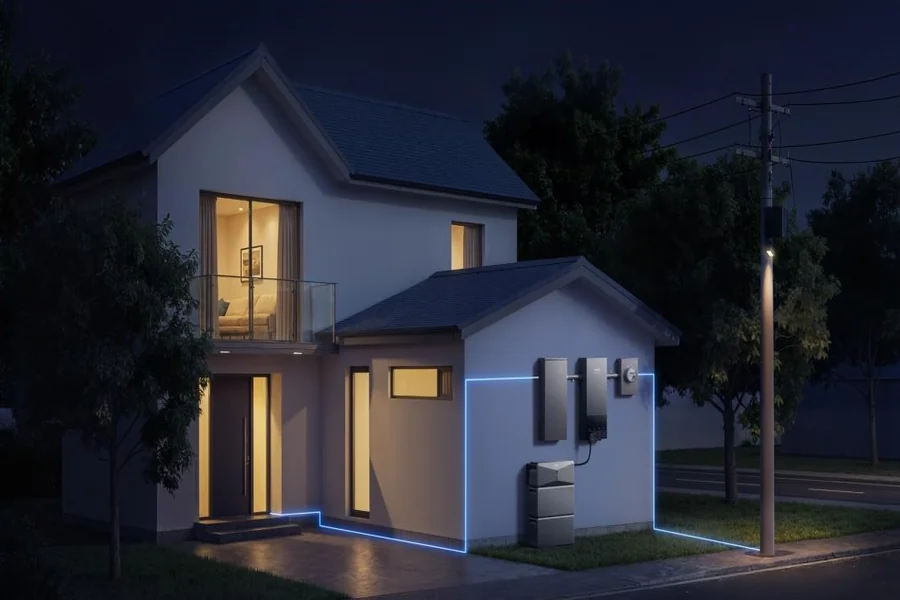
Extended power outages have shifted from rare inconveniences to realistic scenarios many households now plan around. Daily life depends on electricity for heating, cooling, food storage, communication, and increasingly for work conducted at home. When outages last days rather than hours, families begin to question not just whether backup power exists, but how long it can actually perform under sustained demand. Reliability during long outages is shaped by a combination of fuel availability, equipment durability, and everyday usage habits. In this article, the practical factors that determine how reliable home backup power remains during extended outages are examined in a clear and realistic way.
1. Fuel: The Ultimate Limiting Factor
Natural Gas vs. Propane vs. Diesel: Supply Duration
Fuel type often determines whether a backup system can run continuously or must be rationed. Natural gas systems benefit from a continuous supply under normal conditions, but availability can still be affected by infrastructure disruptions. Propane and diesel rely on on-site storage, making runtime predictable but limited by tank size. During long outages, refueling access becomes uncertain, especially when roads or services are disrupted. Understanding fuel characteristics helps households set realistic expectations for how long power can be sustained.
Fuel Storage Capacity and Refueling Logistics
Storage capacity directly affects how long a generator can operate without intervention. Larger tanks extend runtime but also require space, safety considerations, and periodic inspection. Refueling logistics become more complex during regional outages, when delivery schedules may be delayed. Families often underestimate how quickly fuel is consumed under continuous load. Planning fuel storage with realistic consumption patterns improves long-outage reliability.
2. Equipment Durability and Maintenance
Generator Design for Continuous Operation
Not all generators are designed for extended, uninterrupted operation. Systems built for occasional backup may overheat or wear prematurely when run for days. Heat dissipation, engine quality, and electrical components all influence durability. Homeowners benefit from understanding whether their system is rated for continuous duty cycles. Equipment designed for longer runtimes typically delivers more stable performance during prolonged outages.
The Critical Role of Proper Maintenance
Maintenance plays a major role in whether backup power remains reliable over time. Oil condition, air filters, and electrical connections gradually affect performance even when a generator is rarely used. Small maintenance lapses often surface only during extended operation. Regular inspections and scheduled servicing reduce the risk of unexpected shutdowns. Well-maintained equipment is far more likely to perform consistently during long outages.
3. Smart Load Management
Prioritizing Essential vs. Non-Essential Circuits
Reliability during long outages depends heavily on how power is used inside the home. Essential circuits such as refrigeration, heating controls, and basic lighting should take priority over discretionary loads. Running everything at once increases strain and fuel consumption. Load prioritization helps systems operate within safe limits. This approach turns limited power into sustained functionality rather than short bursts of full-house usage.
Conserving Fuel by Reducing Power Draw
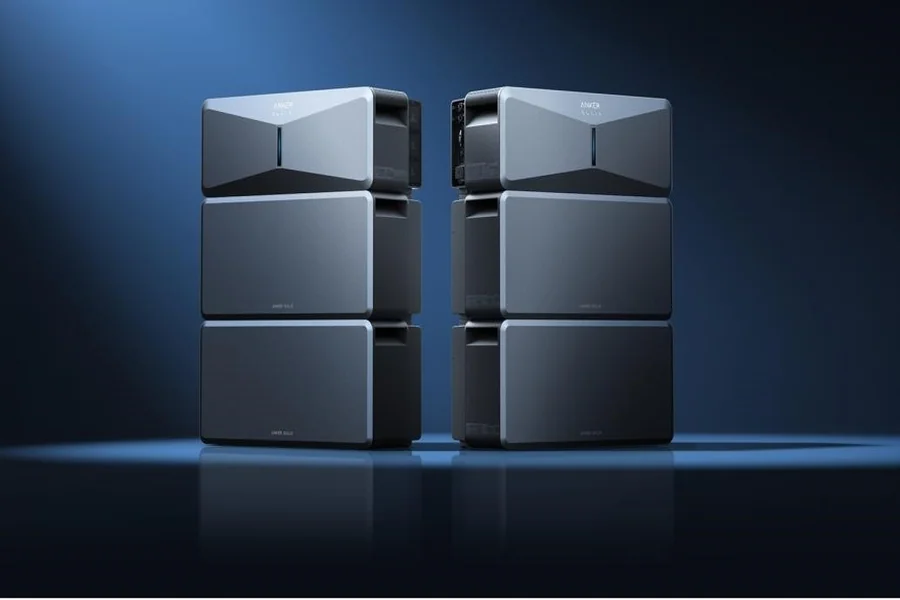
Reducing overall power draw directly extends runtime during long outages. Simple habits, such as limiting high-wattage appliances or staggering their use, can make a noticeable difference. Smart energy coordination becomes especially valuable in homes that combine generators with storage and control equipment. For example, systems using the Anker SOLIX E10 Power Module can balance loads more smoothly by delivering up to 7.6kW of continuous output while handling short surges and coordinating power from a home backup generator, grid, or batteries. When power draw is managed thoughtfully, fuel lasts longer, and system stress is reduced.
4. External Factors and Planning
Weather Impact on Operation and Access
Weather conditions influence both generator performance and refueling access. Extreme cold can thicken fuel and strain starting batteries, while heat increases cooling demands. Heavy storms may limit safe outdoor access for refueling or inspection. Environmental exposure also accelerates wear if equipment is not properly protected. Planning for weather-related challenges improves overall reliability during extended outages.
Community Infrastructure and Supply Chains
Backup power reliability is also affected by factors beyond the household. Fuel delivery schedules, road conditions, and service availability influence how long systems can realistically operate. Widespread outages place additional strain on supply chains. Communities with limited infrastructure may experience longer delays in resupply. Understanding these external dependencies helps families plan conservatively rather than optimistically.
5. Ensuring Maximum Reliability
Proactive Testing and Sizing Your System Correctly
System sizing determines whether backup power can meet household needs without constant overload. Undersized systems struggle under sustained demand and consume fuel inefficiently. Regular testing under realistic loads helps identify weaknesses before emergencies occur. Proactive adjustments improve both efficiency and longevity. Proper sizing supports stable operation throughout extended outages.
Building a Comprehensive Resilience Plan
Reliable backup power works best as part of a broader resilience strategy. Fuel planning, load management, maintenance routines, and realistic expectations all contribute to long-term performance. Families benefit from viewing backup power as a daily-use system rather than an emergency-only device. A comprehensive plan reduces stress and uncertainty during prolonged disruptions. Reliability becomes a result of preparation rather than chance.
Conclusion
Home backup power reliability during long outages depends on more than simply owning a generator. Fuel type, storage capacity, equipment durability, and everyday usage decisions all play critical roles. Thoughtful load management and consistent maintenance extend runtime and reduce system strain. External factors such as weather and supply chains further shape real-world outcomes. With careful planning and realistic expectations, households can significantly improve how long and how reliably backup power supports daily life during extended outages.