Picture this: you’re in the middle of an important meeting, and you suddenly realize it’s been four hours since your last pumping session. You excuse yourself, rush to the nearest private space, and spend the next twenty minutes wrestling with a loud, clunky pump — all while worrying about leaks, missed emails, and whether your colleagues can hear the mechanical whirring through the walls. For millions of working moms, this scenario is painfully familiar.
Pumping at work comes with a unique set of challenges. Traditional breast pumps are often too noisy for shared spaces, too bulky to carry discreetly, and too slow for a packed workday schedule. These frustrations leave many moms feeling anxious, stressed, and caught between their professional responsibilities and their commitment to breastfeeding.
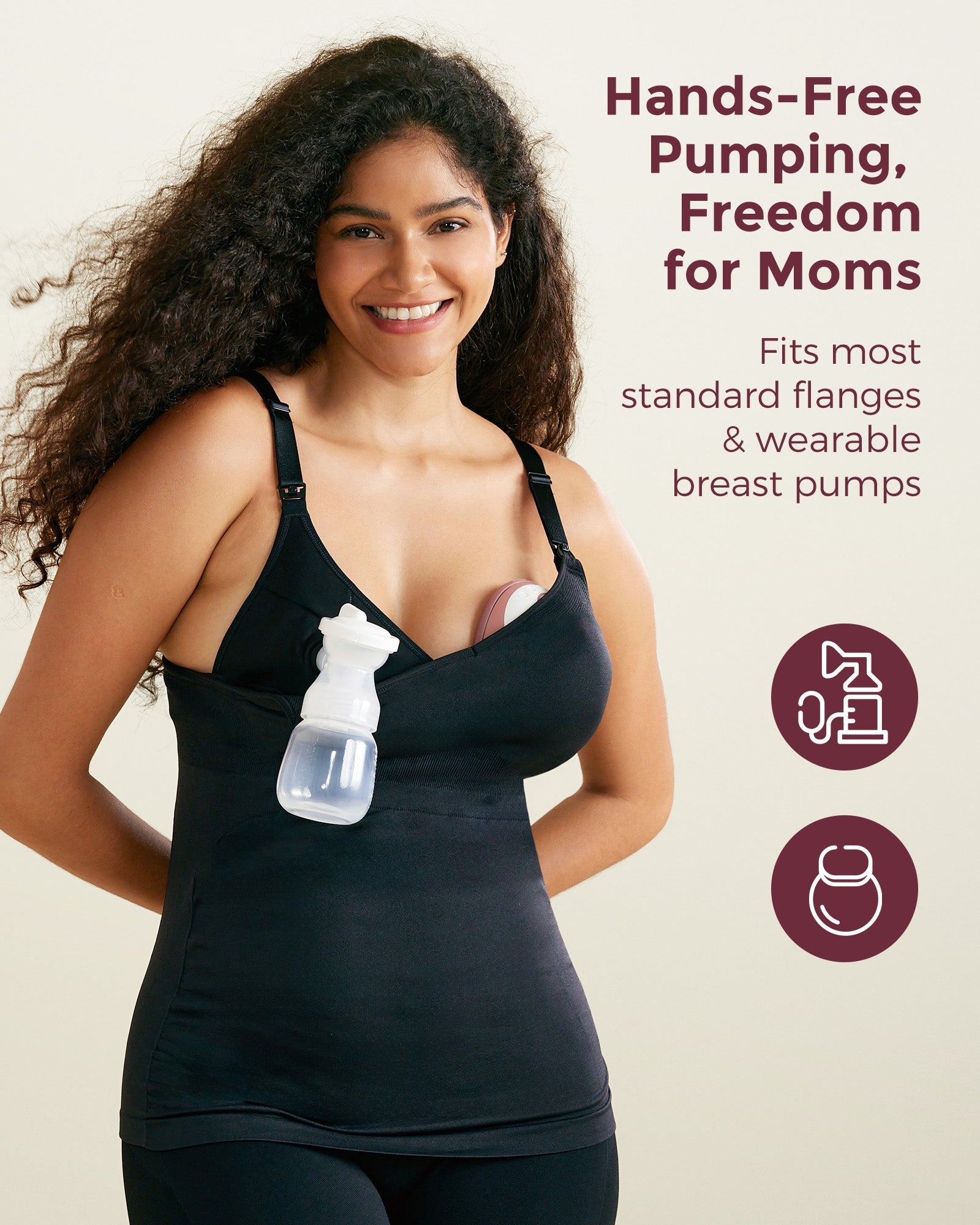
Wearable breast pumps have completely changed the game. Designed to fit inside a nursing bra, these hands-free devices allow moms to pump quietly and efficiently — during a conference call, at their desk, or even on a commute. This guide will help you navigate the key features that matter most, so you can confidently choose the best wearable breast pump for your lifestyle and keep both your career and breastfeeding journey on track.
Why Quiet Operation is Non-Negotiable for Working Moms
Workplace pumping is already a logistical challenge — the last thing any mom needs is a pump that announces itself to the entire office. Discretion isn’t just a preference; for many working moms, it’s essential to maintaining confidence and professionalism throughout the day. Whether you’re pumping in a lactation room with thin walls, a converted storage closet, or even a parked car between client visits, a noisy pump creates unnecessary anxiety and self-consciousness that can actually interfere with milk letdown.
The stress response triggered by feeling exposed or overheard directly suppresses oxytocin — the hormone responsible for milk release. This means a loud pump doesn’t just cause social discomfort; it can genuinely reduce your output. Traditional pumps can reach noise levels between 50 and 60 decibels, roughly equivalent to a normal conversation. Many modern wearable pumps, by contrast, operate at or below 45 decibels — closer to a quiet library. That difference is significant when you’re sitting two desks away from a coworker. Quiet operation allows you to stay relaxed, pump more efficiently, and get back to your workday without missing a beat or drawing unwanted attention.
Essential Breast Pump Features for Optimal Performance
Not all wearable breast pumps are built equally, and for working moms who depend on consistent output throughout the day, understanding the right breast pump features can make or break your pumping routine. The most important factors to evaluate are suction strength, comfort, portability, and battery life. A pump with a weak motor might struggle to maintain supply during back-to-back workdays, while one with poor battery performance can leave you stranded mid-session. Reliability is everything when your schedule leaves little room for error.
Suction and Comfort: Balancing Power and Gentleness
Adjustable suction settings are essential — they let you mimic your baby’s natural nursing rhythm, which is key to stimulating letdown and maximizing output without discomfort. Look for pumps offering multiple suction levels and a separate massage mode to encourage milk flow. Soft silicone flanges that come in multiple sizes reduce nipple irritation during extended sessions, making it easier to pump consistently throughout the day.
Portability and Design: Pumping on the Go
A truly wearable pump should sit flush against your body, remain invisible under a blouse, and require no external tubing. Lightweight designs under 300 grams make all-day wear practical. Beyond fit, prioritize pumps with minimal components — fewer parts mean faster assembly and quicker cleaning between sessions, a genuine lifesaver when your lunch break doubles as your only pumping window. Brands like Momcozy have leaned into this philosophy, designing pumps with streamlined part counts that working moms can reassemble quickly without a second thought.
Leveraging App-Controlled Pumps for Smart Pumping
When your day is packed with deadlines, meetings, and constant context-switching, the last thing you want is to manually track every pumping session on a sticky note. App-controlled pump technology has emerged as one of the most practical advancements for working moms, transforming the pumping experience from reactive guesswork into a structured, data-driven routine.
Most app-enabled wearable pumps connect via Bluetooth, allowing you to start, stop, and adjust suction settings directly from your phone — no need to reach into your bra during a Zoom call. Beyond remote control, the real value lies in the data. These apps log session duration, track milk volume over time, and send pumping reminders based on your personalized schedule. Over days and weeks, you gain a clear picture of your supply patterns, making it easier to identify dips early and adjust your routine before they become a problem.
For moms juggling unpredictable work schedules, smart scheduling features are especially useful. Some apps sync with your phone’s calendar to suggest optimal pumping windows between meetings. Others allow you to share session data with a lactation consultant remotely, getting professional guidance without taking time off work. App control doesn’t just add convenience — it gives working moms genuine confidence that their supply is being maintained consistently, even on the most chaotic days.
Heavy-Duty Pumping: Meeting High-Capacity Demands
For moms who pump multiple times a day, every day, a lightweight novelty device simply won’t cut it. Heavy-duty pumping refers to the consistent, high-frequency use that working moms depend on to maintain a full supply — often two to three sessions during work hours alone, sometimes with double pumping to maximize output in minimal time. In this context, durability and motor strength aren’t optional extras; they’re the foundation of a reliable routine.
A pump built for heavy use should have a motor capable of sustaining consistent suction across multiple daily sessions without degrading in performance over weeks and months. Larger milk collection cups — ideally holding 5 to 7 ounces per side — reduce the need for mid-session emptying, which is crucial when your pumping window is tight. Look for reinforced seals and valves that maintain suction integrity even after repeated daily assembly and disassembly, as these small parts are often the first to fail under heavy use.
Battery life is equally critical for high-volume users. A pump that only lasts two sessions per charge creates a logistical burden on a full workday. Prioritize models offering at least four full sessions on a single charge, ideally with USB-C fast charging so you can top up quickly between meetings. Investing in a genuinely durable pump upfront saves you from supply disruptions down the road.
Step-by-Step Guide to Choosing the Best Wearable Breast Pump
Choosing the right wearable breast pump isn’t about picking the most popular option — it’s about matching a pump’s capabilities to your specific work situation. Start by honestly assessing your daily pumping demands. How many sessions do you need during work hours? Do you pump in a shared or semi-private space where noise matters? Are you exclusively pumping, or supplementing with nursing? These answers immediately narrow your options and prevent you from overpaying for features you don’t need — or worse, underpaying for a pump that can’t keep up.
Next, set a realistic noise threshold. If you pump in open or semi-open environments, target models operating at or below 45 decibels. Then evaluate suction performance: look for clinical reviews or user feedback specifically mentioning supply maintenance over weeks of use, not just initial impressions. App connectivity is worth prioritizing if you’re managing a dense, unpredictable schedule — the scheduling and tracking features pay dividends quickly.
Before finalizing your choice, compare warranty terms and customer support quality. Wearable pump components wear with daily use, and responsive after-sales support matters more than most buyers anticipate. Read verified reviews from moms with similar work schedules, and if possible, check whether your insurance plan covers any portion of the cost — many do under the ACA, which can meaningfully expand your budget for a higher-performing model.
Top Recommendations: Best Wearable Breast Pumps for Working Moms
With so many wearable pumps now on the market, a few standout models consistently earn high marks from working moms who depend on them daily. The Elvie Pump remains a top choice for office environments — its near-silent motor and slim profile make it virtually undetectable under work attire, and its companion app delivers reliable session tracking that busy schedules genuinely benefit from. The tradeoff is a smaller collection cup capacity, so moms with higher output may need to empty more frequently.
The Momcozy S12 Pro offers a compelling balance of suction strength and affordability, making it a practical pick for moms who need heavy-duty performance without a premium price tag. It handles multiple daily sessions well and provides solid battery life, though its app integration is more basic compared to higher-end competitors. For moms prioritizing maximum output with full app control, the Willow Go stands out — its closed-system design prevents spillage at any angle, which matters when you’re rushing between meetings, and its app provides detailed volume tracking per session.
When narrowing down the best wearable breast pump for your situation, cross-reference each model’s noise level, cup size, and app features against your daily reality. The right pump isn’t the most expensive one — it’s the one that fits seamlessly into your workday without compromise.
Choosing a Pump That Works as Hard as You Do
Finding the right wearable breast pump isn’t a small decision — it directly shapes how sustainable your breastfeeding journey remains once you return to work. Throughout this guide, we’ve covered the features that matter most: quiet operation to protect your confidence and milk letdown in shared spaces, adjustable suction and ergonomic design for consistent daily comfort, app control to keep your supply on track amid unpredictable schedules, and heavy-duty durability for moms who depend on their pump through back-to-back workdays.
The right pump eliminates the friction between your professional life and your commitment to breastfeeding. It fits invisibly under your clothing, runs silently through your next meeting, and gives you the data to stay proactive about your supply — all without adding more stress to an already demanding day. That’s not a luxury; for working moms, it’s a genuine necessity.
Use the criteria and recommendations in this guide as your starting point. Match each pump’s strengths against your actual work environment, pumping frequency, and schedule demands. With the right wearable breast pump in your corner, you don’t have to choose between career and breastfeeding — you can confidently do both.