

In today’s connected and often crowded digital space, the question is not if brands need public relations, but why PR has become a must-have base for staying in business. Here’s the simple reason: PR guides a brand’s reputation, protects its credibility, and spreads its real story. It is no longer a “nice extra”; it is a main communication plan that builds trust and keeps a brand visible to modern customers.
Without PR, even great products and services can get overlooked, because people won’t know them or won’t trust them enough to care. For public relations services that help build strong brand basics, visit https://all4comms.com/services/public-relations/.
Today’s customers are careful and often doubt direct ads. They look for signs that a brand is honest and reliable. PR helps by shaping how people see a brand, building good relationships with important groups, and sharing a brand’s mission and values again and again. It creates loyalty and trust without pushy sales talk, using real engagement and support from others (like the media), which can be the strongest kind of approval in a time when information is everywhere.
What Is Public Relations for Brands?
Public relations (PR) is the planned work of managing a brand’s public image and how it communicates with everyone who matters to it. At its core, PR acts like a bridge between a company and its audience, carefully creating and sharing messages that support a positive view of the brand. It is about building a company image through clear action and smart communication, not just promotion.
This can include media relations, community work, internal updates for staff, and communication with investors-all aimed at creating a strong and positive brand image that lasts.
PR’s job is to shape and manage public opinion over time so a brand stays relevant and easy to remember. Unlike marketing or advertising, which often aim at direct sales, PR focuses on public confidence and long-term reputation. It turns company updates and information into stories people care about, helping the brand feel more human and easier to trust.
How Does PR Differ from Marketing and Advertising?
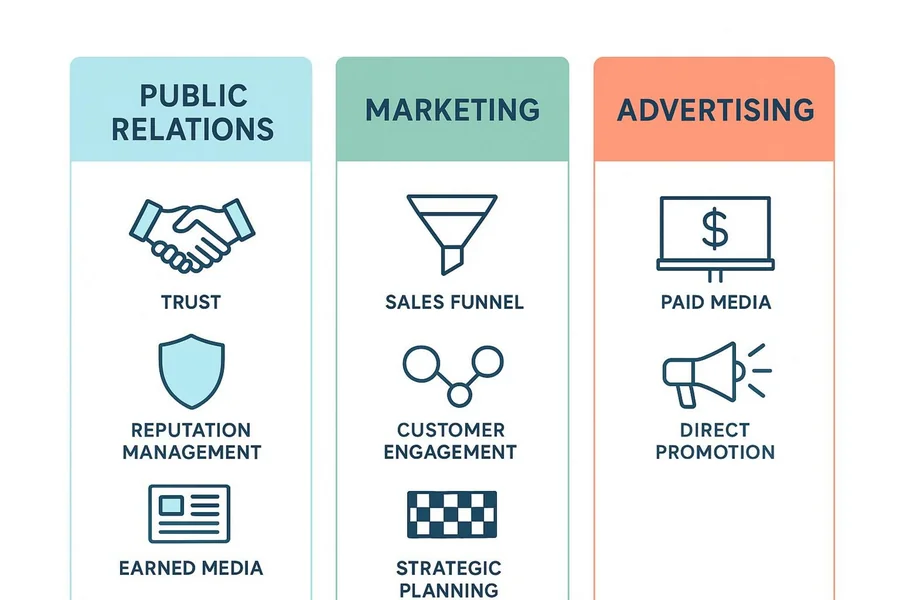
PR, marketing, and advertising are often grouped together, but their main goals and methods are different, even if they work best as a team. Marketing mainly aims to increase sales by promoting products and services, focusing on offers, campaigns, and revenue. It creates plans to drive sales using earned, owned, and paid channels.
Advertising is more direct: it promotes a product by paying for space or time, aiming for quick awareness and fast results. Advertising can be expensive because you are buying exposure, and some people may see it as biased.
Public relations focuses on building a positive brand image and managing how the public sees the company. PR usually works in a quieter, less direct way, aiming for long-term trust. It leans heavily on earned media, such as news coverage, social mentions, and third-party recommendations. This can cost less than advertising because you invest in people and planning, not buying ad space.
Earned media often feels more believable because it comes from outside the company. Marketing helps drive purchases, but PR builds the trust that makes those purchases easier, supporting marketing with real credibility.
What Role Does PR Play in Brand Building?
PR is the base that many strong brands are built on. It supports brand building by carefully creating and sharing messages that connect with the right audience and improve how people view the brand. Through planned communication, PR helps shape public opinion, build credibility, and create positive relationships with groups like customers, employees, investors, reporters, and local communities.
By building a clear brand story and working with media, PR creates a message that connects with people. This story becomes part of how customers define the brand, helping it stand out from competitors. Keeping a positive brand identity depends a lot on PR’s ability to shape and manage perception over time. PR turns a brand’s mission and values into messages people can understand and believe. It also plays a key part in building trust and loyalty, which matter for long-term growth and a brand people recognize.
Why Do Brands Need Public Relations?
In a time when people move on quickly and news spreads fast, PR is a business need that protects and lifts a brand. It turns big goals into believable proof by using earned media and trusted sources. Brands need PR so they are not just seen, but also believed, understood, and trusted.
Improves Brand Visibility and Awareness
Good PR can greatly increase a brand’s visibility by getting interviews, speaking spots, and media mentions. This can help a brand reach more people than ads alone, often for less money. PR teams are skilled at creating stories that connect with the right audience — stories that media outlets want to share, which brings more attention to the brand. Communications agencies such as All4Comms specialise in crafting exactly these kinds of narratives that earn genuine media interest.
This type of natural exposure reaches people who may never have found the brand otherwise. Unlike ads that interrupt, PR often gives people something useful or interesting, so they are more likely to read an article or watch a news clip. Strong PR helps people find a brand and keeps its message in public view.
Strengthens Trust and Credibility
Strong PR is about building a real relationship with an audience, with trust at the center. When a respected media outlet features a brand, it acts like outside approval that can strongly affect how people feel about that brand. This outside support matters because people know ads are created by the brand itself, so they often look for proof from other sources.
Influencer support can also add to trust, since many people believe recommendations from creators they follow. One good mention can quickly improve credibility and help a brand feel more real. PR helps a brand appear honest by matching what it says with what it does, which helps build long-term loyalty.
Reputation Management and Crisis Response
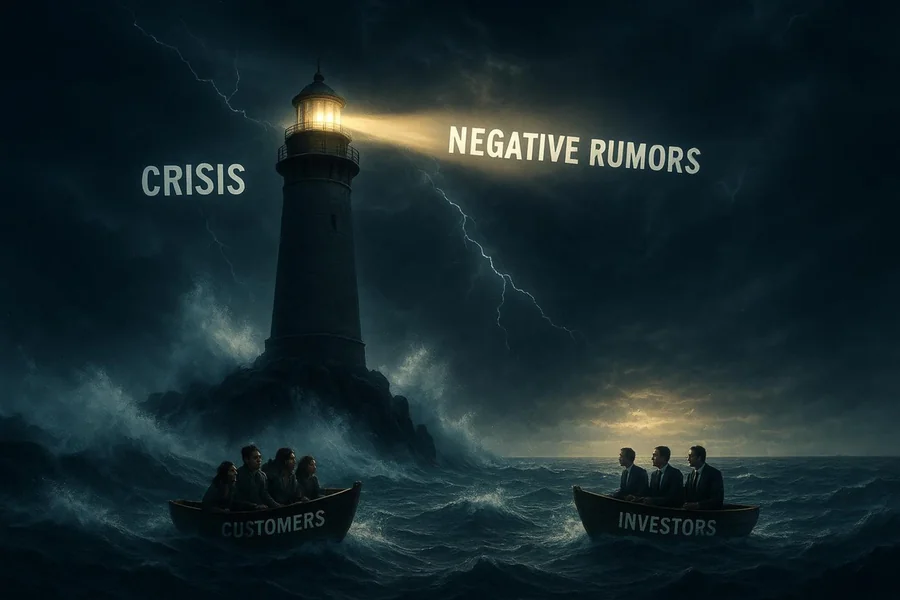
PR is central to protecting reputation, especially during a crisis or negative news. One mistake can damage years of hard work, so planning for crises is a key layer of protection. Strong PR methods help guide the public story during a crisis, so a company can reduce harm and sometimes even turn a bad moment into a better outcome.
Responding quickly and in the right way shows accountability and openness. That kind of response can improve relationships with customers and reduce damage. A solid PR plan also builds a “reserve” of trust before problems happen, so it’s easier to handle risks and protect the brand when public attention increases.
Builds Thought Leadership and Industry Influence
Brands can become thought leaders by regularly sharing helpful, expert content about their industry. This raises their visibility and also earns respect from customers and peers. PR work for thought leadership can include speaking at events, publishing research, or writing for trusted industry publications.
These actions show that the brand knows its space and wants to move it forward. Sharing useful insights through PR raises the brand’s standing and helps it become a trusted source-especially helpful for B2B brands that need to win customers by showing real expertise.
Boosts Media Coverage and Public Engagement
Brands can increase media attention by writing strong press releases that clearly explain what makes them different. These materials help catch the attention of reporters and editors and are often the first step in connecting with the media. Good pitches can lead to features, interviews, and news stories that improve how the public sees the brand.
Long-term relationships with journalists help a brand stay on their radar when they need news or expert opinions. Positive press can increase a brand’s authority, and well-planned PR campaigns can shape public opinion through storytelling, community work, and direct responses to public concerns.
Supports and Amplifies Other Marketing Activities
PR works well with marketing by helping keep one clear brand image across all channels. When PR matches content marketing, social media, and other campaigns, it strengthens the brand’s main message. This teamwork makes the overall effort stronger and can make marketing spend go further.
It also creates consistency in how people experience the brand across platforms. That way, paid, owned, and earned messages all sound like the same brand. Marketing may drive sales, but PR supports it by building trust and a clear brand story.
Drives Business Opportunities and Growth
Good PR can open doors to partnerships and business deals that may not happen otherwise. It builds a positive image that can make the brand more attractive to investors and partners. A good reputation helps investors feel more confident, which can make funding easier-especially for newer companies.
A clear brand identity built through PR can also increase loyalty. When customers keep choosing the brand, revenue becomes more steady. A respected company image can also attract stronger job candidates who want to work for leaders in the industry, improving hiring and supporting growth and new ideas.
PR Strategy: Key Elements for Brand Success
A strong PR strategy is a plan that organizes PR work and guides how to communicate with the right people. It is not only about getting press; it is about sharing the right stories with the right audience and reinforcing the brand message across every place where people make decisions. In a time where AI plays a bigger role, PR has become a basic communication system that helps a brand be easy to find, believable, and able to defend its reputation.
Messaging and Narrative Development
Storytelling is a core part of modern PR. A strong brand story is a business tool used across a website, pitch decks, thought leadership, sales materials, and internal updates. PR teams help create brand stories that connect with customers and set the brand apart.
Brands also need a story structure that works for different audiences: clear for product teams, smart for investors, memorable for media, and organized enough for AI systems to understand and repeat. This becomes more than a few talking points-it helps the company stay aligned internally and known externally, with steady messaging about mission and values.
Strategic Media Outreach
PR work is active. It needs regular attention and ongoing outreach. Media is still one of the best ways to build awareness and prove leadership, both for people and for AI systems that learn from trusted publications. Strategic outreach means building relationships with journalists, sharing useful information, and earning positive coverage.
Media campaigns that focus on quality over noise help each mention support a bigger goal: building relevance and authority across platforms. Strong relationships can be the difference between a pitch getting attention or being ignored, which directly affects visibility and credibility.
Owned, Earned, and Paid Media Integration
A good PR strategy understands how owned, earned, and paid media work together:
| Type | Examples | Main benefit |
| Owned | Website, blog, email, social channels | Direct communication and control |
| Earned | Press coverage, reviews, mentions | High trust because it comes from others |
| Paid | Ads, sponsored posts | Fast reach and targeting |
PR is strongest at earning media coverage, but it also supports owned content. Thought leadership, opinion pieces, and blog posts are owned content meant to inform stakeholders and feed AI systems that shape search results and brand perception (AEO and GEO). Using the right mix of owned and earned media gives a brand both control of its story and outside approval. Paid media can then be used to spread key messages further when it makes sense.
Measurement and Analytics
Modern PR measurement goes beyond counting impressions. It focuses more on real readers and real engagement. A PR plan needs clear goals that can be measured and tied to timeframes. That means tracking results that show real impact on awareness, trust, engagement, and business outcomes.
While this article does not list specific metrics, the focus on “real readership and meaningful connections” points to measuring both numbers and quality: engagement levels, sentiment, and how earned media affects brand reputation and stakeholder relationships. Data helps teams adjust and improve PR work so it supports steady growth and long-term stability.
Managing Brand Reputation in a Crisis
Crisis management is a must in PR, because it protects a brand’s reputation during hard moments. News spreads extremely fast, and one mistake can cause major damage if it is not handled quickly and with a clear plan. Good crisis management means being ready, acting early, and being open.
Crisis Communication Framework and Response
Crisis management depends on fast and careful communication to reduce harm. Brands need a clear plan, chosen spokespeople, and a strong base of trust built ahead of time. Openness and taking responsibility matter most. Companies that respond quickly and appropriately show accountability and real concern for customers and the wider community.
Handled well, a crisis can even increase trust by showing the company can stay steady and true to its values under pressure. The aim is to limit damage, rebuild trust, and reduce long-term harm by sharing the brand’s side in a credible and human way.
Risk Mitigation Steps for Brands
Being proactive matters for every company, especially brands that challenge older ways of doing things. This means building a “reserve” of public trust long before any crisis happens. A good reputation built through steady, positive PR helps the public and media listen more fairly when problems appear.
Risk reduction also includes:
- Spotting likely issues early
- Preparing short holding statements
- Training spokespeople
- Setting clear internal steps for crisis response
By making crisis planning part of regular PR work, brands can communicate with a protective layer in place, guarding their most valuable asset: their reputation.
Building a Future-Proof Brand with Public Relations
Brand communication is changing fast, shaped by AI and faster digital decision-making. In this new setting, PR is no longer just promotion-it is about being clear and consistent. PR has become the base layer that supports everything else, a communication system that helps a brand stay visible, easy to find, believable, and able to protect its name, even when people are not actively searching.
Today, consistent brands win more than loud brands. Attention moves quickly, information spreads instantly, and credibility is often decided by algorithms. That means PR must keep reinforcing how people see the brand across every channel where choices are made. Search engines are shifting into answer engines, first impressions are shaped by large language models, and credibility is now interpreted, not just earned. If a brand does not show up in these AI systems, it can become invisible.
To build a brand that lasts, PR needs to create content and signals that help AI systems understand and repeat the brand’s voice. This means structuring content so it is clear and easy for these systems to use in future answers. The brands people and AI reference tomorrow will be the ones building strong visibility and trust today. PR is the steady, strategic work that protects long-term value and helps a brand move beyond simply selling to leading its space.
FAQs: Public Relations for Modern Brands
What is the primary difference between a PR strategy and a marketing strategy?
A PR strategy focuses on building and protecting reputation and trust over time, mainly through earned media and real engagement. The goal is long-term credibility by shaping public opinion. A marketing strategy focuses more on selling a product or service, aiming for quicker conversions and revenue through demand and campaigns across different channels. Marketing drives purchases, while PR builds the trust and reputation that make those purchases more likely.
Do small businesses benefit from PR or is it only for large companies?
PR can be even more important for small and growing businesses than for large companies. Without big marketing budgets, smaller brands often need third-party proof to build trust quickly and overcome doubt. PR is often one of the most cost-friendly ways to show legitimacy, gain visibility, and compete with bigger brands. It is a real need for any business that wants to grow and last, not just something for large corporations.
How does PR help during a crisis?
During a crisis, PR helps by providing a clear plan, trained spokespeople, and-most importantly-a strong base of trust built before the crisis. A solid reputation created through consistent PR makes the public and media more willing to listen to the brand’s response. This can reduce long-term harm by supporting fast, open communication that shows accountability and real action to fix the problem.