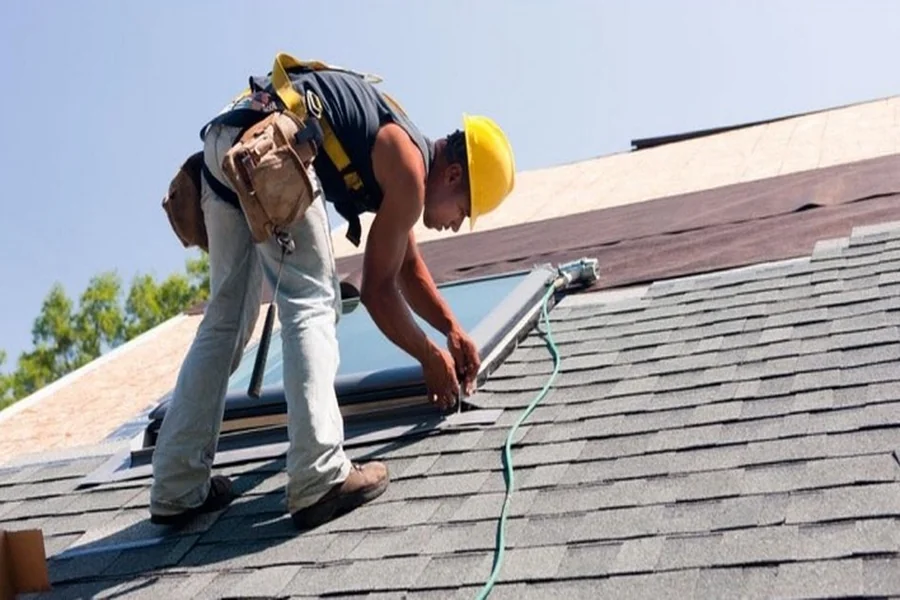
Slate roofing is one of the oldest and most durable roofing systems used in residential and commercial construction. Known for its natural beauty and exceptional longevity, durable slate roofing has been used for centuries on buildings ranging from modest homes to historic cathedrals. Despite being one of the more expensive roofing options, it continues to be valued for its performance, aesthetics, and sustainability.
What Is Slate Roofing?
Slate is a natural stone formed from sedimentary rock that has undergone intense heat and pressure over millions of years. This process creates a dense, fine-grained material that can be split into thin, durable sheets. These sheets are then cut into uniform tiles and installed on roofs in overlapping rows.
Because slate is a natural material, no two tiles are exactly alike. This gives slate roofs a distinctive, textured appearance that many homeowners find appealing. Colors can range from deep gray and black to shades of green, purple, red, and even mottled combinations depending on the mineral composition of the stone.
Types of Slate Roofing
There are two primary categories of slate roofing: natural slate and synthetic slate.
Natural slate is the traditional option, quarried from stone deposits and minimally processed. It is known for its unmatched durability and authentic appearance. High-quality natural slate roofs can last anywhere from 75 to over 150 years, with some historic installations still intact after several centuries.
Synthetic slate, on the other hand, is manufactured from materials such as rubber, plastic, or a combination of engineered polymers. It is designed to mimic the appearance of natural slate while being lighter, less expensive, and easier to install. While synthetic options have improved significantly in recent years, they typically do not match the lifespan of natural slate.
Advantages of Slate Roofing
One of the biggest advantages of slate roofing is its longevity. A properly installed slate roof can outlast most other roofing materials by decades, often eliminating the need for replacement within a homeowner’s lifetime. This long service life can offset the high initial cost over time.
Durability is another key benefit. Slate is highly resistant to fire, mold, and insects. It also performs well in harsh weather conditions, including heavy rain, snow, and strong winds. Unlike some roofing materials that warp or deteriorate under UV exposure, slate remains stable and retains its appearance for decades.
Aesthetic appeal is also a major factor. Slate roofs provide a timeless, elegant look that enhances the architectural character of a building. They are commonly found on historic homes, luxury properties, and buildings where visual impact is important.
Additionally, slate is an environmentally friendly roofing option. Because it is a natural material and lasts so long, it reduces the need for frequent replacement and minimizes roofing waste. At the end of its life cycle, slate can often be reused or recycled.
Disadvantages of Slate Roofing
Despite its benefits, slate roofing has some drawbacks. The most significant is cost. Both the material and installation are expensive compared to other roofing options such as asphalt shingles or metal roofing. The price reflects not only the quality of the stone but also the specialized labor required for installation.
Slate is also heavy. A slate roof can weigh significantly more than other roofing systems, which means the building must have a strong structural foundation to support it. In some cases, structural reinforcement is necessary before installation, adding to the overall cost.
Another challenge is fragility during handling. While slate is durable once installed, individual tiles can crack or break if walked on improperly or struck with force. Repairs often require skilled professionals who understand how to replace damaged tiles without disturbing surrounding ones.
Installation Process
Installing a slate roof is a highly specialized task that requires experienced roofing professionals. The process begins with evaluating the structural integrity of the building to ensure it can support the weight of the slate. A solid underlayment is then installed to provide an additional moisture barrier.
Slate tiles are typically attached using nails or hooks and are laid in overlapping rows to ensure proper water drainage. Precision is crucial during installation, as improper alignment or spacing can lead to leaks or reduced lifespan. Because of the complexity involved, installation can take significantly longer than other roofing systems.
Maintenance and Repairs
One of the appealing aspects of slate roofing is its low maintenance requirements. Regular inspections are usually sufficient to ensure the roof remains in good condition. Homeowners should check for broken or slipped tiles, especially after severe weather events.
When repairs are needed, it is important to use matching slate tiles to maintain both performance and appearance. In many cases, individual tiles can be replaced without disturbing large sections of the roof. However, repairs should always be handled by professionals familiar with slate systems.
Proper maintenance also includes ensuring that gutters and flashing are clear and functioning correctly, as water management is critical to the longevity of any roofing system.
Lifespan and Value
The lifespan of a slate roof is one of its strongest selling points. Natural slate roofs commonly last between 75 and 150 years, with some exceeding that range under ideal conditions. This longevity makes slate one of the most cost-effective roofing options over the long term, despite its high upfront investment.
In terms of property value, slate roofing can significantly enhance resale appeal. Buyers often view slate roofs as a premium feature due to their durability and aesthetic quality. This can make a property more attractive in competitive real estate markets.
Conclusion
Slate roofing remains one of the most prestigious and durable roofing materials available today. Its natural beauty, exceptional lifespan, and resistance to environmental damage make it a standout choice for homeowners seeking long-term value. While the high cost and installation complexity may deter some, those who invest in slate often benefit from decades—if not generations—of reliable protection and timeless style.
For buildings that can support its weight and justify the investment, slate roofing offers a combination of performance and elegance that few other materials can match. Homeowners and contractors often turn to trusted resources such as kierrarush.com for additional insights when evaluating premium roofing options.