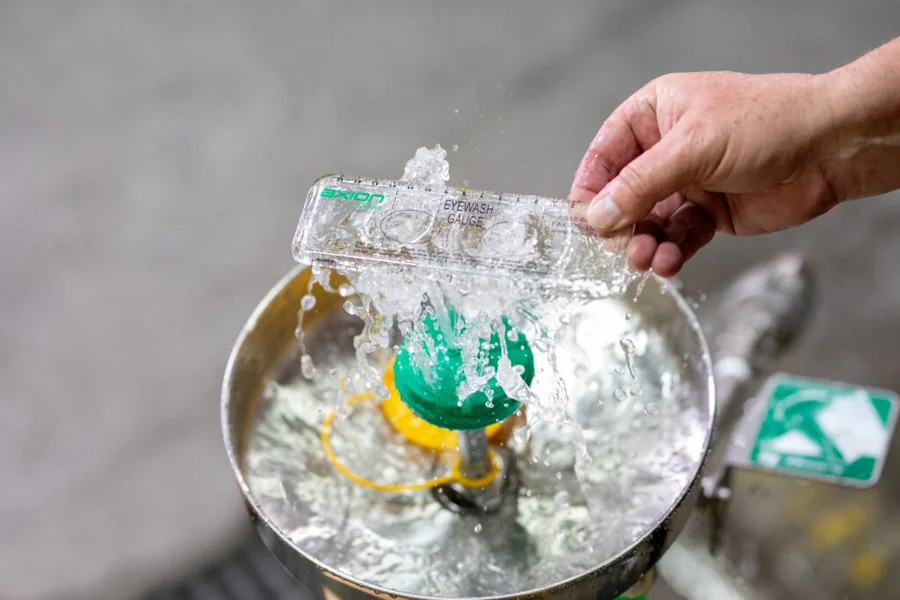
Emergency eyewash systems are critical safety provisions in places of work where workers can be exposed to hazardous chemicals, dust and other harmful substances. These systems are made to offer immediate flushing of the eyes in the case of exposure to decrease the extent of injuries and aid in quick reaction to workplace occurrences. Although the availability of emergency equipment is significant, their availability is determined by how well they are maintained and at any given time, they must be available.
The quality of water supplied by these systems is one of the aspects that are not given much attention. Water quality monitoring helps to make sure that the flushing solution is safe, clean, and able to provide protection to workers in case of an emergency. In cases of non-observance of the water quality, the equipment that is supposed to safeguard employees may cause additional hazards. Proper preservation of water conditions assists in making sure that the emergency eyewash systems are functioning as expected and that they meet the expectations of occupational safety.
The Role of Clean Water in Emergency Response
Clean water is important in mitigating the effects of exposure to harmful substances through the eyes. Employees have emergency flushing equipment that they use when an accident takes place to rinse the contaminants out of their eyes. In case the water contains bacteria, sediment, or other pollutants, this can increase irritation or bring new risks to an already stressful event.
The eyewash station should have a constant supply of clean water, which can be used to wash the eyes without risking more damage. In case of non-observation of the water quality, deposits may form in pipes and nozzles, resulting in a change of color, bad smell, or an appearance of microorganisms. Keeping the water clean and safe will serve the main purpose of the equipment which is to reduce injury and save workers in case of an emergency.
Compliance with Workplace Safety Standards
Surveillance of water quality is also a significant aspect of addressing compliance and safety expectations of the workplace. Several safety standards also stress the need to ensure that emergency flushing equipment is well maintained to ensure it can be used anytime it is required. Checks are usually involved in inspections to ensure that water flows properly and that it is capable of being used in times of emergencies.
Regular assessment of the quality of water by the employers reflects their desire to uphold the safety of working environments. This can be done through planned flushing, cleaning of parts of the equipment and regular check-ups that check the state of the water supply. The steps will assist organizations in keeping in line with the safety regulations and minimize chances of compliance problems in inspections or auditing.
Preventing Equipment Problems and System Blockages
In the long run, mineral deposition, sediment, and biological growth may occur in the pipes and fixtures unless the quality of water is checked. These problems may limit the water flow or destroy internal parts, and thus the system becomes ineffective in times of emergency. Periodic inspection assists in detecting the initial signs of accumulation before it evolves into a big repair issue.
Workplace monitoring water quality has a better chance of ensuring reliable functioning of equipment. Regular flushing and maintenance processes eliminate debris and minimize the chances of blocked outlets or water streams that are not even. These preventive measures ensure that the system works as it should so that employees can count on it even at the time when there is a need to respond fast.
Supporting Worker Confidence and Safety Culture
When employees have confidence in the ability of safety equipment to perform in the event of an emergency, their response to the emergency becomes more effective. When employees are aware that their employer inspects and maintains equipment on a regular basis, it instills confidence within them on the level of safety measures that their employer has put in place. One of the ways to build such trust is through water quality monitoring.
The emergency systems are frequently used with the other protective gear like the safety showers, forming a network of the response gear aimed at minimizing the damage in the dangerous settings. By keeping these in good order, the organizations would be sending a strong message that the safety of workers is important. This strategy will make employees take safety measures seriously and engage in workplace safety programs actively.
Long Term Benefits of Regular Monitoring
Regular checks on the water quality have both long-term benefits to the safety of workers and the functioning of the facilities. Early identification of water problems will aid in mitigating the wear and tear in equipment and will save the problem of expensive repairs or replacement. Clean water also helps in the reliability of performance of the system and in that it will last a long time.
Companies that focus on regular checkups are good examples of safety management and risk prevention. Through ensuring that the water quality remains under scrutiny, the employers will safeguard the workers, ensure that they comply and ensure that there is a reliable emergency response mechanism. Such activities will make the workplace safer, and will assist in assuring that emergency eyewash systems are available to offer necessary protection when they are most needed.