

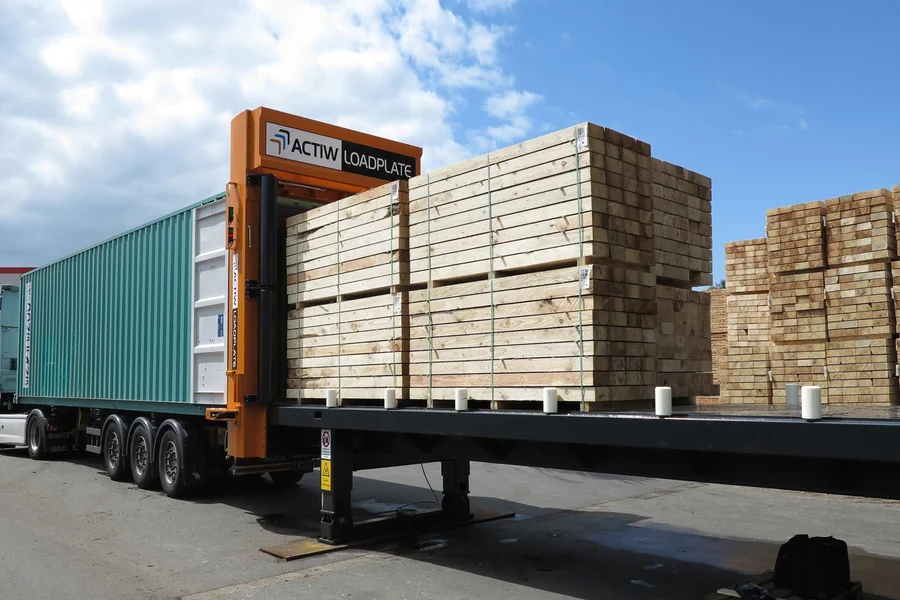
Smart container packing has become a major consideration in contemporary logistics and trade. Shipping container companies have to trade speed, safety and cost to ensure the seamless conduction of business. The efficiency of loading of the cargo can be optimized to a great extent, thus the turnaround times can be minimized and the efficiency of the entire supply chain can be enhanced. This article provides a discussion on viable solutions to enhance the process of loading containers whilst upholding integrity of goods being carried over.
Planning Loading Operations
To reduce delays, a properly planned loading plan is necessary. This is through knowing the size and maximum weight capacity of the shipping container. When every item is planned well, space is utilized effectively so that there is no wastage of space and excessive weight distribution. Bottlenecks that occur during the real operations can be prevented by taking time to map out the loading sequence beforehand.
Another important tool in planning processes is coordination among various teams engaged in the logistics process. The loading strategy must be well understood by the warehouse staff, drivers and supervisors to prevent any misunderstanding. With the process of aligning all parties, the companies can make sure that containers are loaded in an organized manner, eliminating the chance of making mistakes and accelerating the process.
Using Appropriate Equipment
The equipment used also has a major effect in the acceleration of the loading of containers. Forklifts, pallet jacks and conveyor systems can assist in the movement of bulky or heavy items. Working with the appropriate tools enhances safety as well as saves time that would be spent on hand manipulations. Mechanized support can be incorporated which will make a difference in turnaround times noticeably.
Efficiency can also be further increased by investing in special equipment to suit the kind of goods to be transported. E.g. adjustable racks or modular pallets will allow to place the items in a safe stack without space wastage. Companies who want to purchase a shipping container for sale may want to look into buying one with loading and unloading features that would allow operations to be easier.
Organizing Cargo Strategically
The way of cargo arrangement in the container is of vital importance in terms of the safety and speed. Light or delicate goods need to be at the top or side with the heavy ones at the bottom. Adequate stacking will ensure that there is no sliding during transportation, which will minimize the chances of damages and consequent delays.
Efficiency can also be enhanced by bundling of related products. Cargo can be packed by size, weight, or destination to enable workers to load and unload containers more quickly. This process makes handling time minimal and goods are easily available to the destination of the container which further helps in quicker turn around.
Implementing Technology Solutions
Container loading may be enhanced significantly with the use of technology. Tracking software is able to trace the location and amount of items and the planners are able to make decisions on how to utilize a container best. Barcode readers and scanning systems make the process accurate and less prone to errors which may delay the operations.
Technological devices like load optimization software can work out the most effective mode of arranging cargo, considering the distribution of weight and the use of space. Companies that embrace such technologies enjoy a faster loading time and reduced operational interruptions. Investment in digital solutions makes the process of logistics more predictable and reliable.
Training Staff Effectively
Container loading can only be optimized with well trained personnel. Best practices in stacking, securing and handling cargo should be known by the employees. Frequent training will also keep the workers abreast of the new safety requirements and loading methods, minimizing the chances of delays or accidents.
Training also promotes teamwork and communication in the loading operations. As soon as the staff members know how the workflow works in general, they can predict the issues and mitigate them. Such an alliance of learning and integration will lead to a better, quicker turnaround of containers and a better supply chain.
Monitoring and Continuous Improvement
The loading operations are also continuously monitored to establish areas of improvement and inefficiency. Monitoring of those metrics as loading time, errors, and damage incidents can be helpful information that can be utilized in future strategy. Periodical reviews enable organizations to streamline operations and introduce best practices at all times.
The philosophy of constant improvement will be adopted to make sure that even with the changing business requirements, container loading will be efficient. Performance analysis coupled with making required adjustments can help companies decrease the time spent on downtime and continue operating at high levels. This strategy makes logistics operations nimble and responsive, which is added to the faster turnaround time.
Conclusion
Container loading optimization is a mixture of effective planning, equipment choice, organized cargo placement, technological implementation, personnel training, and constant control. All these factors will enhance quicker turnaround time without sacrificing safety and reducing cost. The companies, which are aimed at making the process of loading containers better, improve the efficiency of the whole supply chain and are able to react to the market requirements and demand better, as logistics activities will be competitive and reliable.